Why the African Disability Protocol Matters for Women in Malawi
There is a human rights treaty that most people in Malawi have never heard of. It was designed specifically for Africans with disabilities. It took nearly twenty years to negotiate. And getting it into Malawian law — turning its promises into something enforceable — is now one of WAG Disability Rights’ core areas of work.
It is called the African Disability Protocol.
What Is the African Disability Protocol?
The African Disability Protocol is the full name of the Protocol to the African Charter on Human and Peoples’ Rights on the Rights of Persons with Disabilities in Africa. It was adopted by the African Union in January 2018.
It builds on the United Nations Convention on the Rights of Persons with Disabilities (CRPD) — the global standard for disability rights — but goes further in one important way. It was created specifically to take African practices and concerns into consideration, addressing issues such as traditional beliefs, the role of family and caregivers, and minority groups within the African disability community, including people with albinism. Sightsavers
In other words, it does not just copy a global framework and apply it to Africa. It tackles the ingrained issues of disability discrimination so that everyone can access health, education, and employment without stigma. African Arguments It accounts for the specific social and cultural conditions that shape the lives of people with disabilities on this continent.
Why It Took So Long — and Why It Now Has Force
The adoption of the Protocol was the culmination of a process that began in 1999 with the declaration of the African Decade for Persons with Disabilities. OHCHR Nearly twenty years of advocacy, negotiation, and pressure from disability rights organisations across Africa preceded that moment in Addis Ababa.
But adoption was not enough. The Protocol enters into effect once ratified by a minimum of fifteen African Union Member States. Africandisabilityforum Reaching that threshold took another six years of sustained campaigning.
The Republic of Congo’s ratification brought the total to fifteen, making the treaty legally binding across the African Union. Sightsavers That milestone was reached in 2024.
The protocol is now in force. The work of implementation — turning a continental treaty into national law and practice — has begun.
Where Malawi Stands
Malawi is among the countries that have ratified the African Disability Protocol. That is a significant step. It signals a formal commitment by the Malawian government to uphold the rights it contains.
But ratification is not the same as domestication. A treaty ratified at international level does not automatically become part of national law. It must be incorporated into domestic legislation — written into acts of parliament, reflected in policy, and backed by implementation frameworks that make it enforceable in practice.
That process is incomplete. The gap between what the protocol promises and what a woman with a disability experiences on the ground in Malawi is still wide.
What WAG Is Doing About It
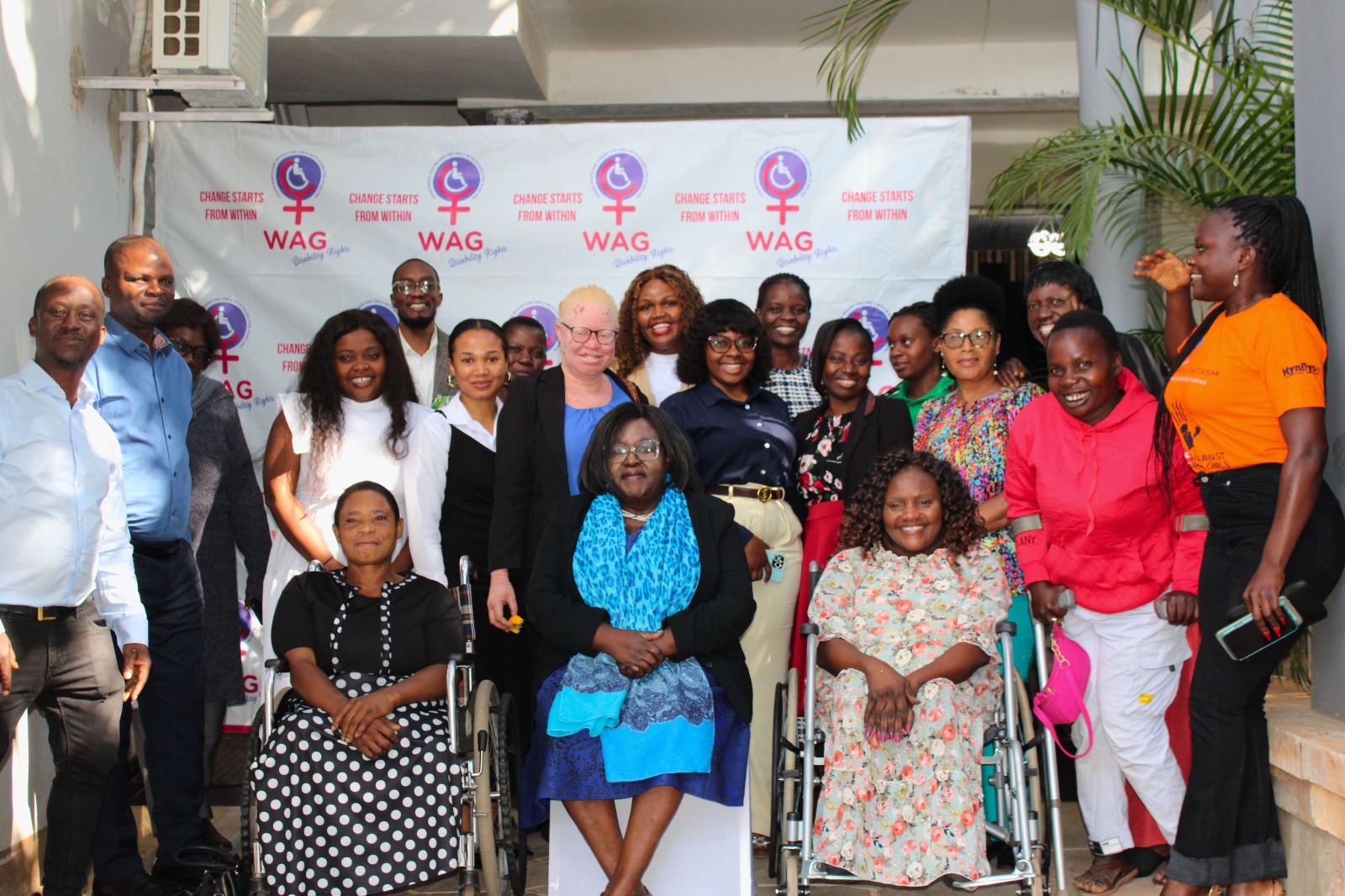
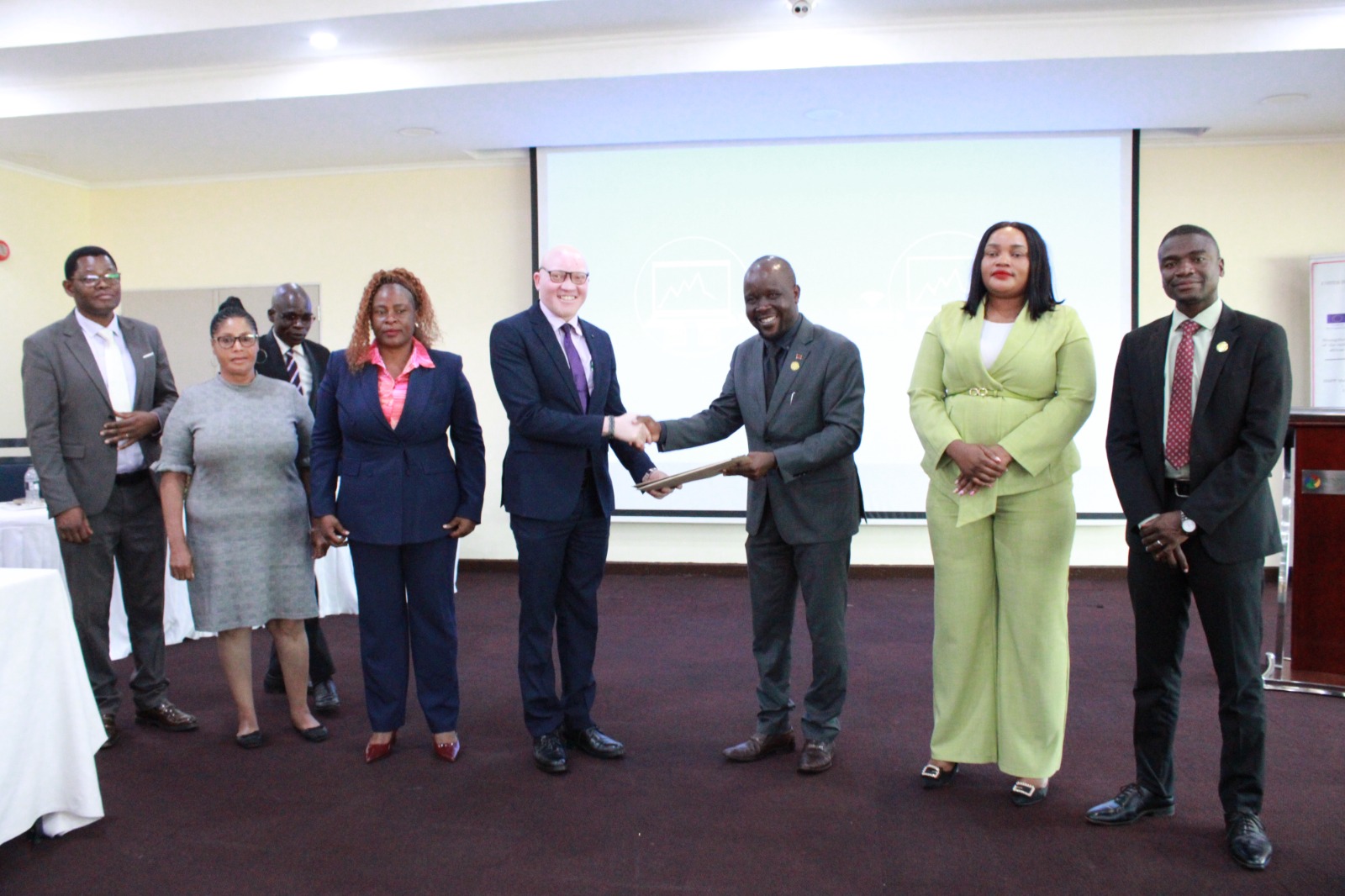
WAG Disability Rights is part of a three-year consortium project — running from 2025 to 2028 — focused on popularising and domesticating the African Disability Protocol in Malawi. The project is funded by the European Union and works alongside partner organisations in Zambia and Zimbabwe.
Known as UNITE-4-ADP, the project works in Dowa and Lilongwe. Its goal is to bridge the gap between the treaty that exists on paper and the rights that women and girls with disabilities can actually claim in their communities.
[Note for Stella: please add the names of the consortium partners in Zambia and Zimbabwe, specific activities planned or already underway, and any early outputs from the first year of implementation.]
Why Women and Girls Need This Protocol Specifically
The African Disability Protocol is not gender-neutral in its intent. It explicitly addresses the compounded discrimination faced by women and girls with disabilities — recognising that gender and disability together create barriers that neither framework addresses alone.
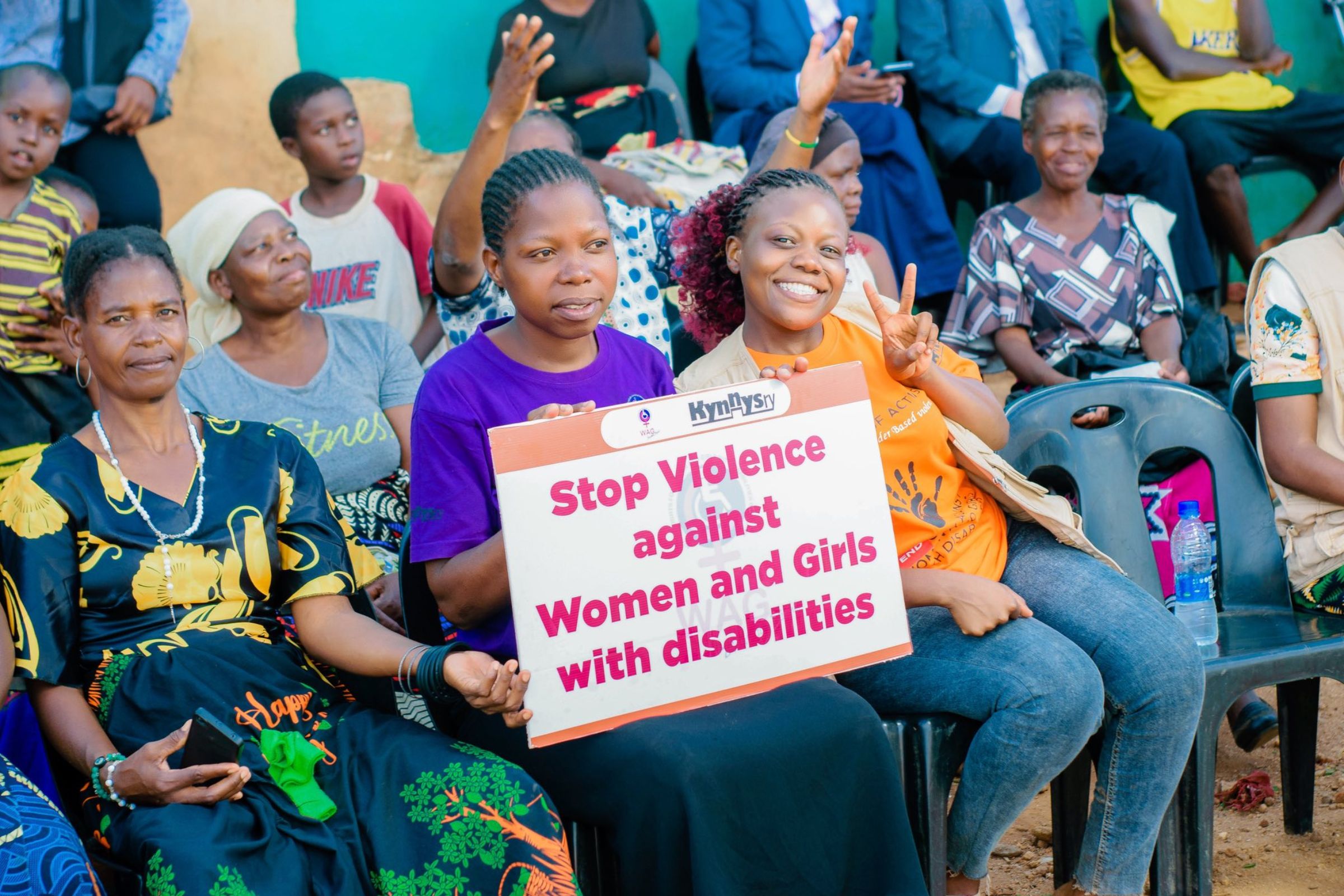
For WAG, this is not abstract. The women and girls at the centre of its programmes face exactly the kinds of discrimination the protocol was designed to challenge. They are excluded from health services. They face violence with limited recourse to justice. They are left out of economic and social life because systems were not built with them in mind.
The protocol gives advocates like WAG a stronger legal basis to demand change. It says, in binding legal language, that these exclusions are not acceptable — and that governments have an obligation to end them.
From Treaty to Reality
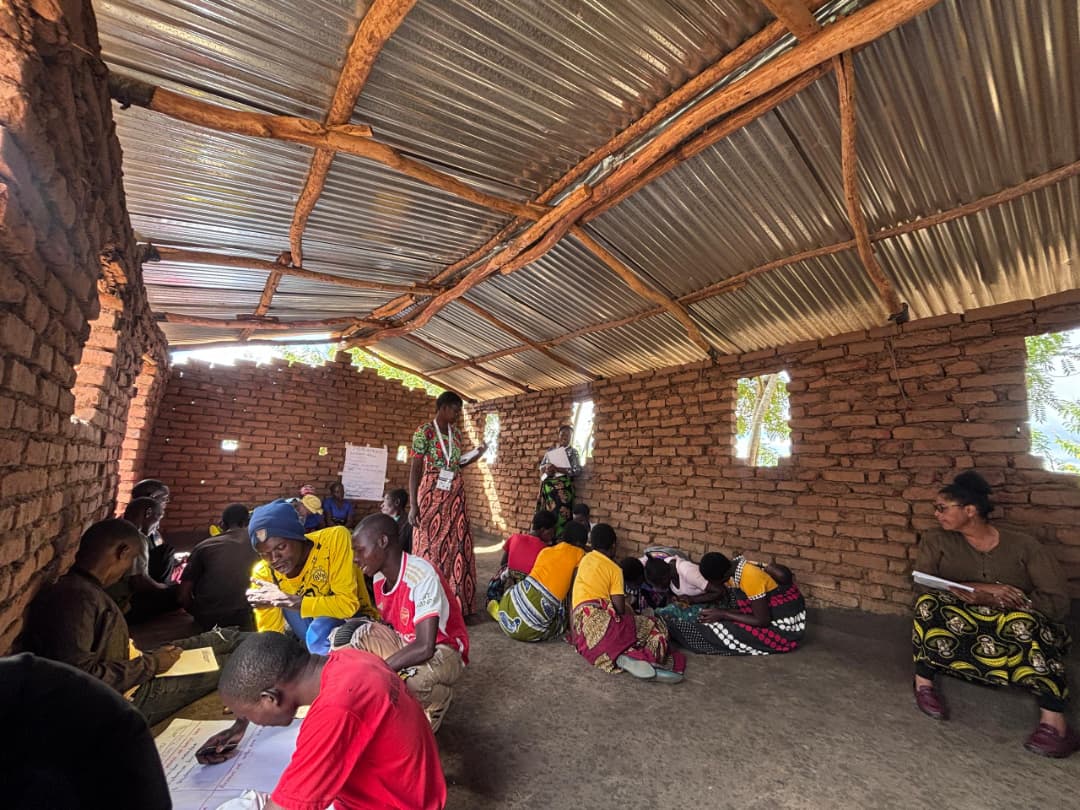
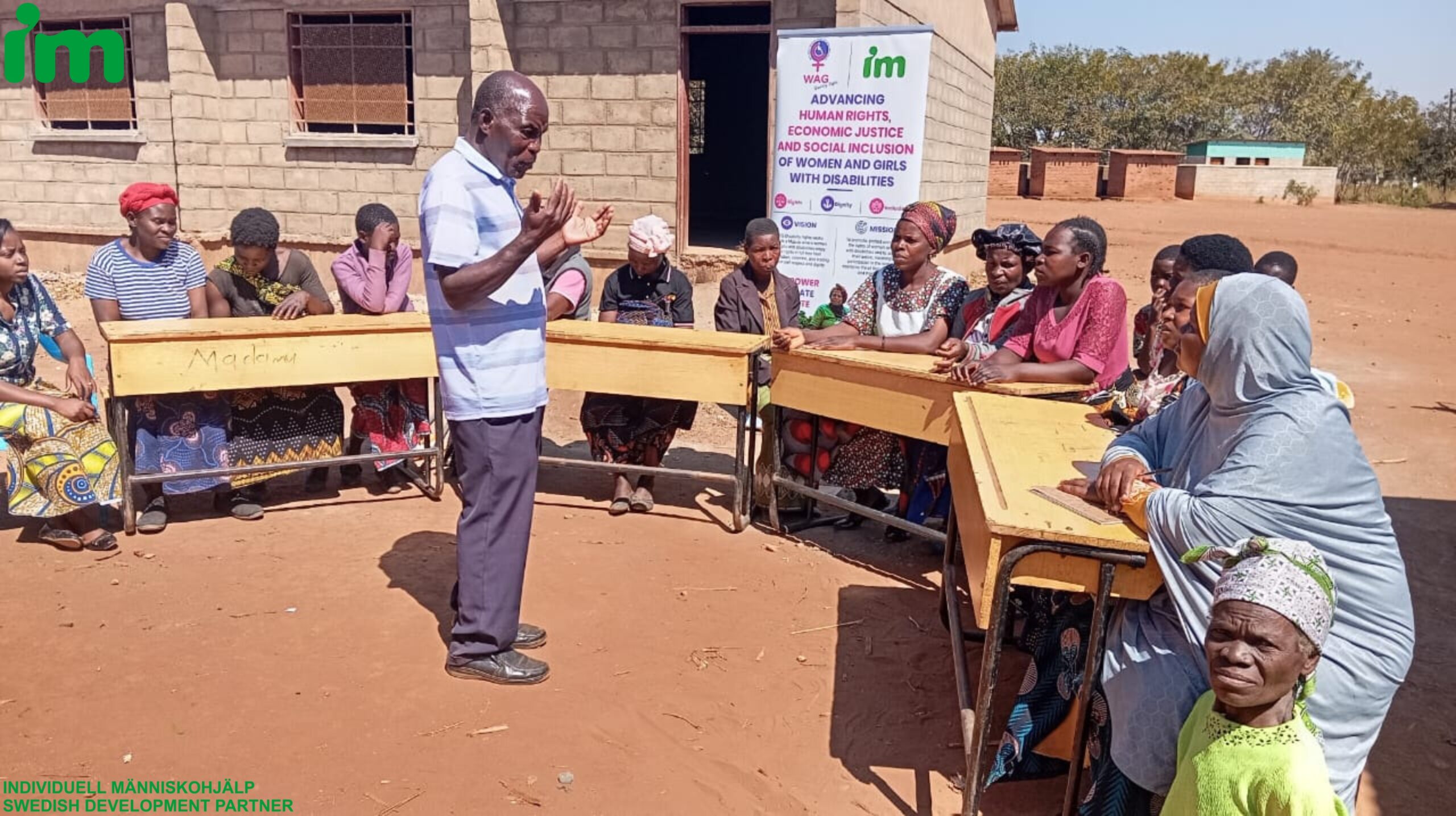
Getting a treaty domesticated requires more than legal drafting. It requires public awareness — people with disabilities knowing the protocol exists and what it entitles them to. It requires civil society pressure — organisations holding government accountable for implementation. And it requires sustained work at community level, where the gap between rights on paper and rights in practice is most visible.
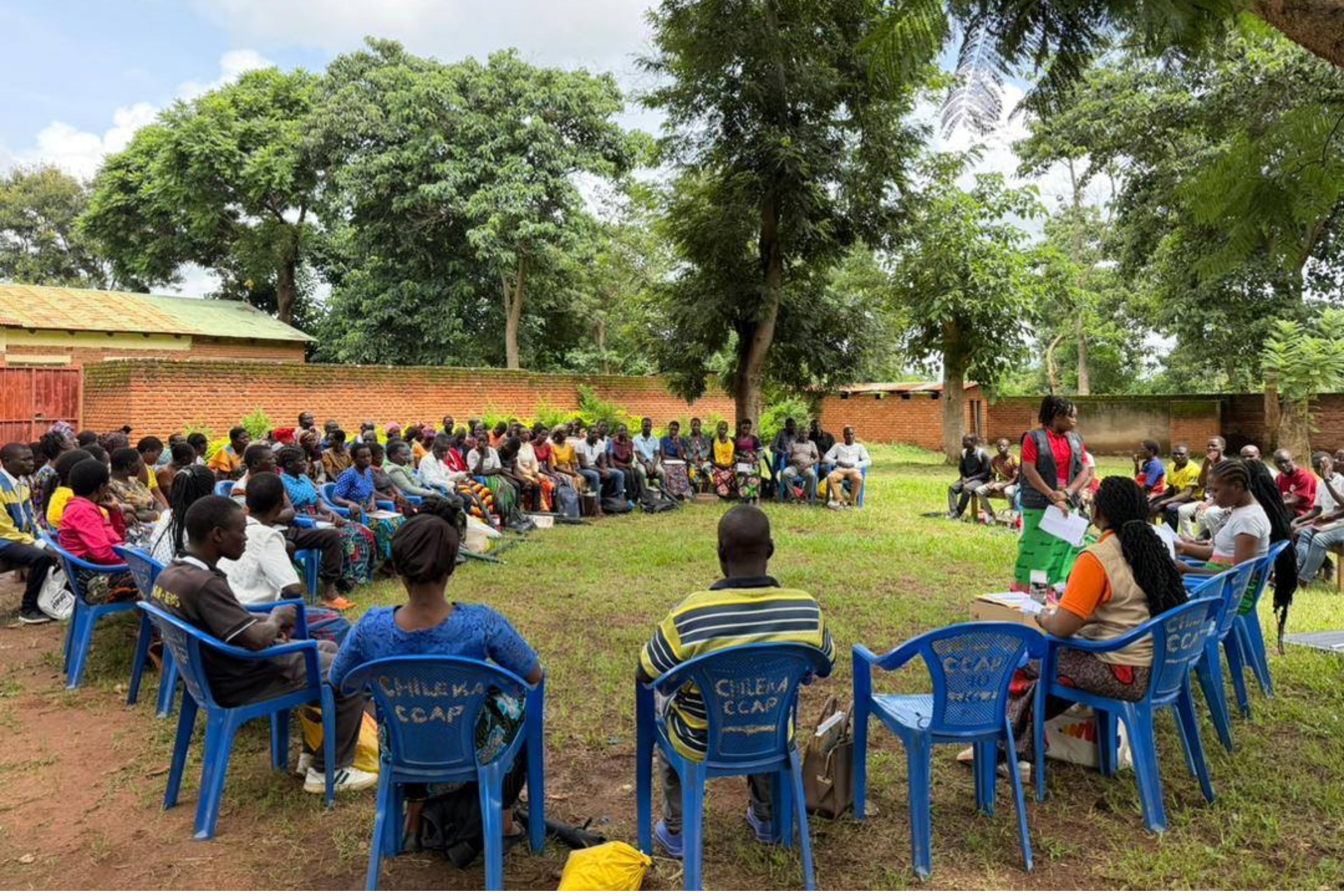
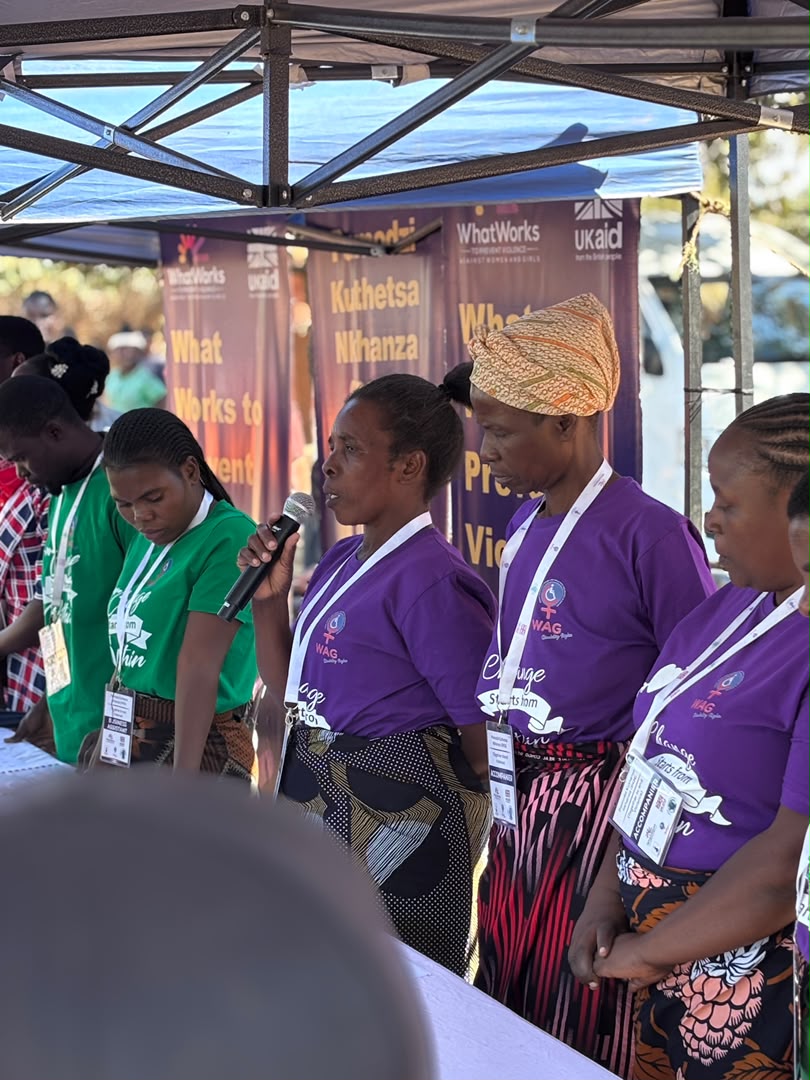
This is where WAG operates. Not just in courtrooms or parliament buildings, but in communities in Dowa and Lilongwe, with women and girls who deserve to know that an African treaty — built specifically for people like them — now has the force of law.
The work of making that real has only just begun.
The UNITE-4-ADP project is funded by the European Union and implemented by WAG Disability Rights in partnership with organisations in Zambia and Zimbabwe, working in Dowa and Lilongwe from 2025 to 2028.