For many women and girls with disabilities in Malawi, sexual and reproductive health has long been an uncomfortable subject. Stigma, physical barriers, and the assumption that they do not need — or deserve — these services have kept them away from care for too long.
WAG Disability Rights is working to change that.
The Problem PKN Cannot Solve Alone
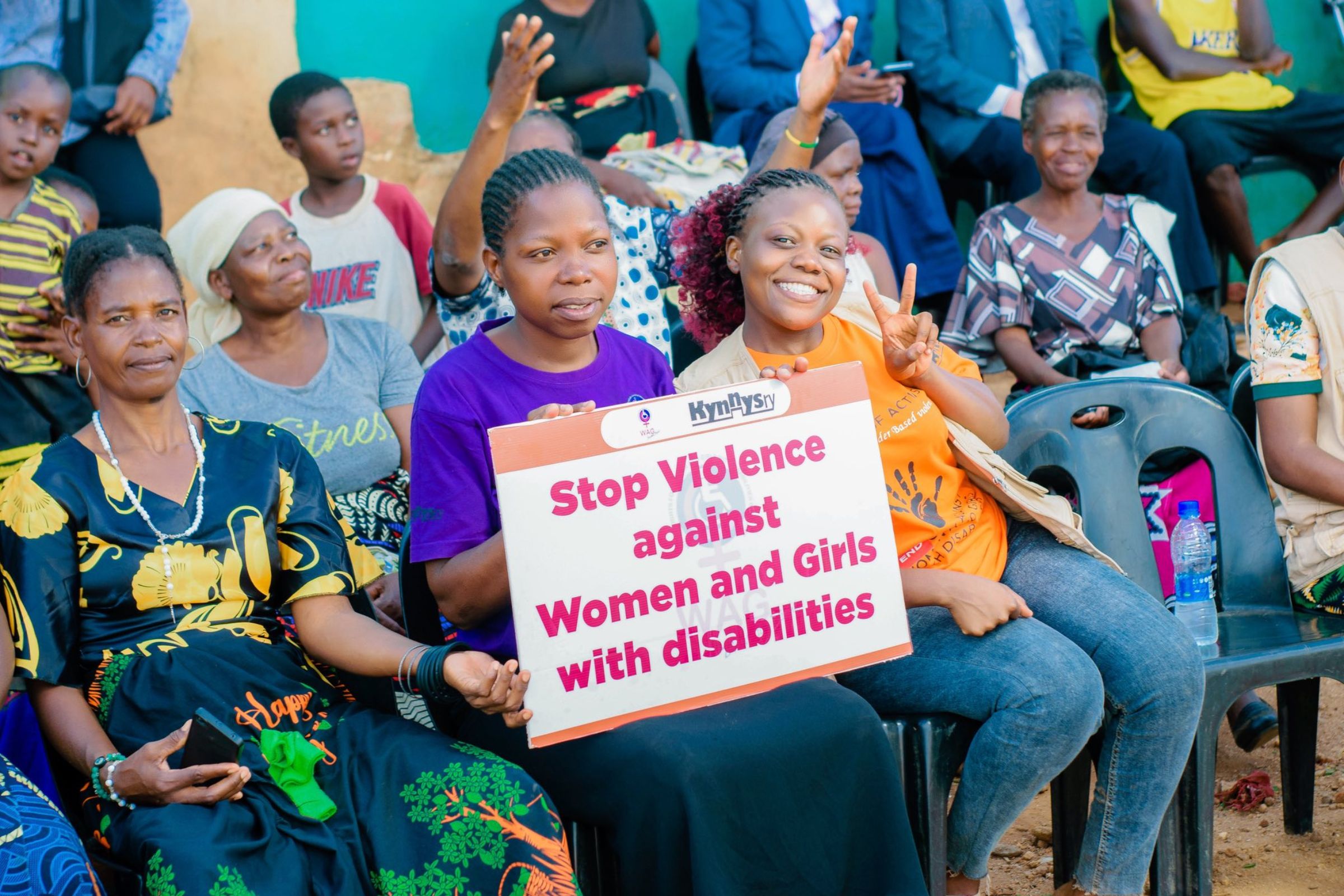
Gender-based violence and poor health outcomes do not affect all women equally. Women and girls with disabilities face a double burden. They deal with the same inequalities as other women, plus the added barriers of inaccessible services, social exclusion, and the harmful belief that their bodies and health do not matter.
In Malawi, these barriers are real and well-documented. Health facilities are often physically inaccessible. Service providers lack training in disability-inclusive care. And families — with the best intentions — sometimes shield women with disabilities from information about their own bodies and rights.
What EmpowerHer Does
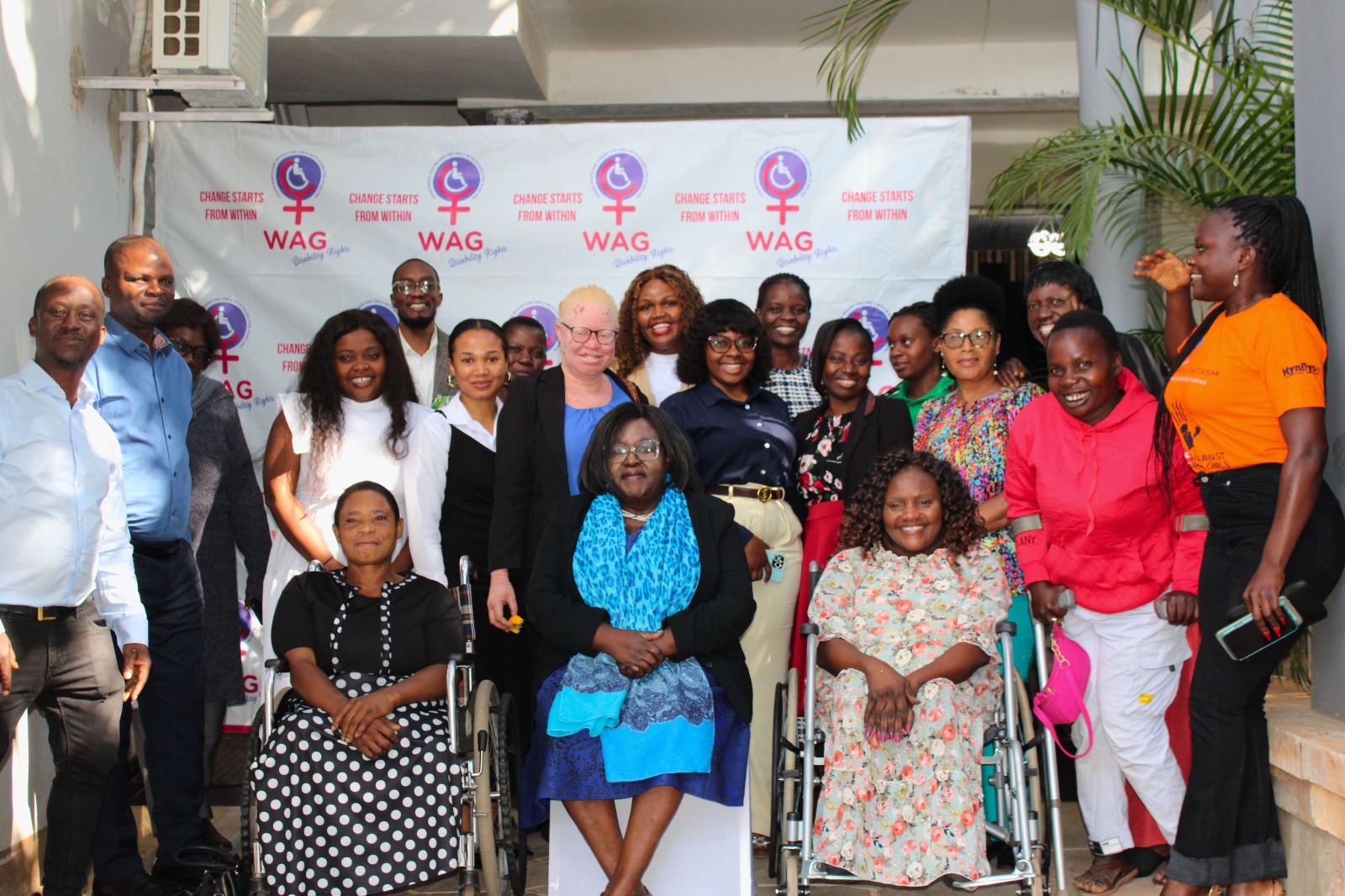
The EmpowerHer project addresses these barriers directly. Funded by Kynnys ry through Disability Partnership Finland, it works in three areas of Lilongwe: Area 23, Kauma, and Senti.
Its focus is Sexual and Reproductive Health and Rights (SRHR) and gender-based violence (GBV) prevention. But the way it works is as important as what it covers.
EmpowerHer brings together the people who matter most:
- Women and girls with disabilities, as the central rights holders.
- Parents and family members, who shape attitudes at home.
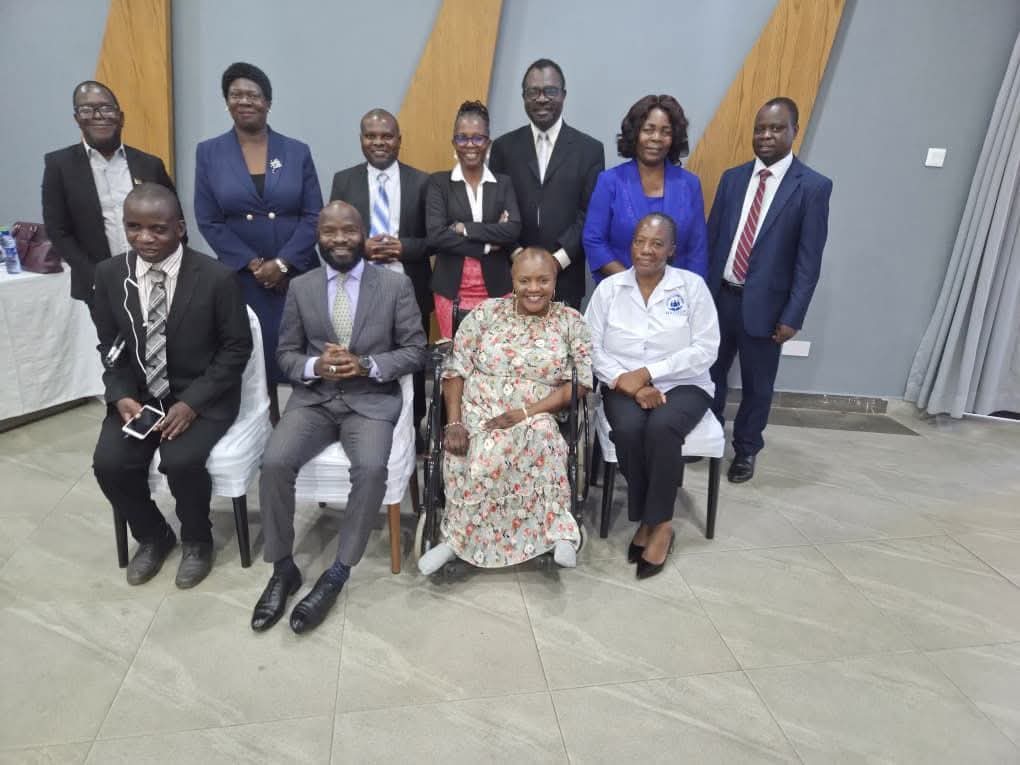
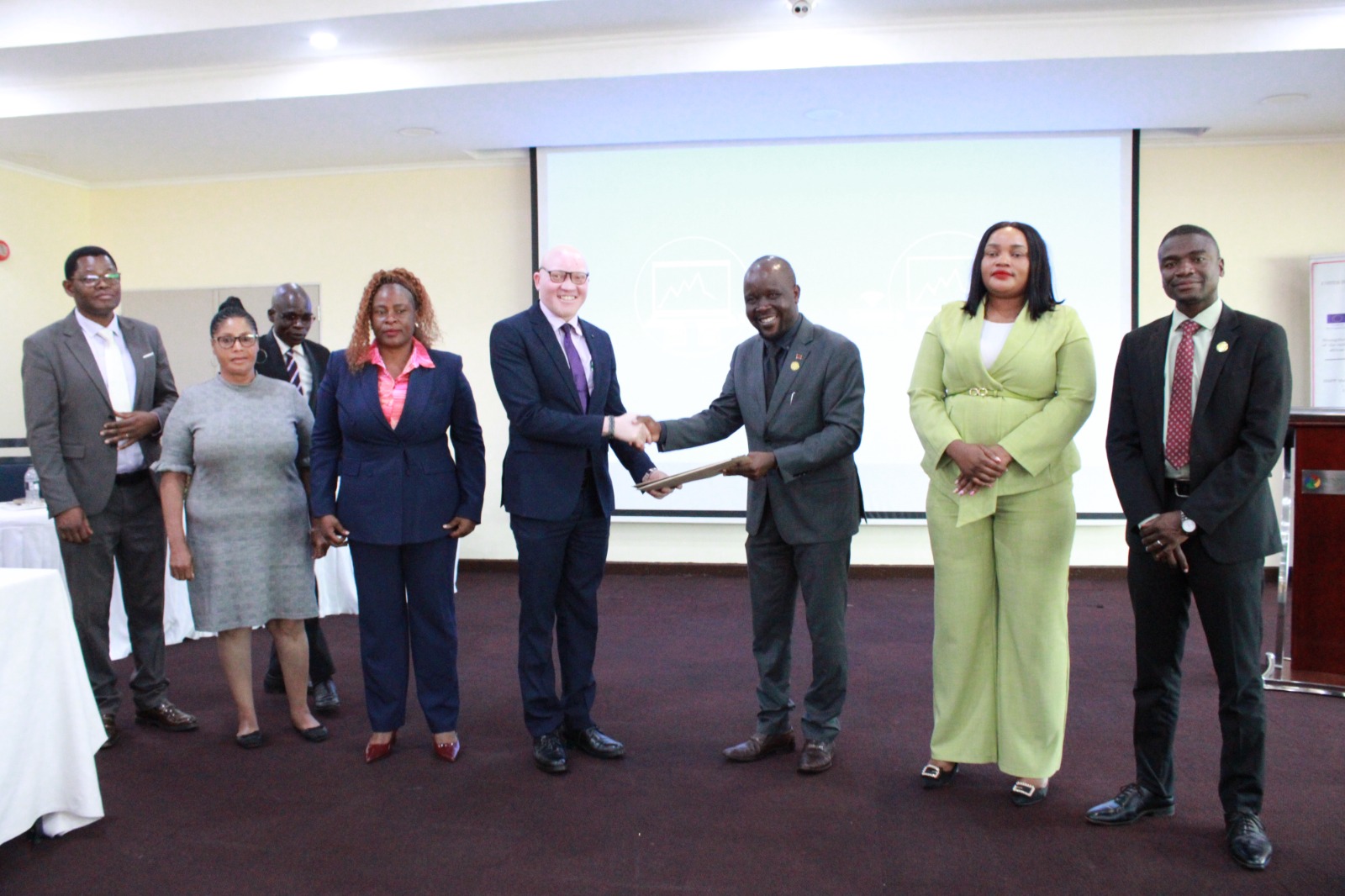
- Frontline service providers — nurses, police, child protection workers, gender officers — who must deliver inclusive care.
- Local leaders and community structures, who hold social influence.
By working at all these levels at once, the project creates conditions for real change — not just awareness.
What Changed in 2024
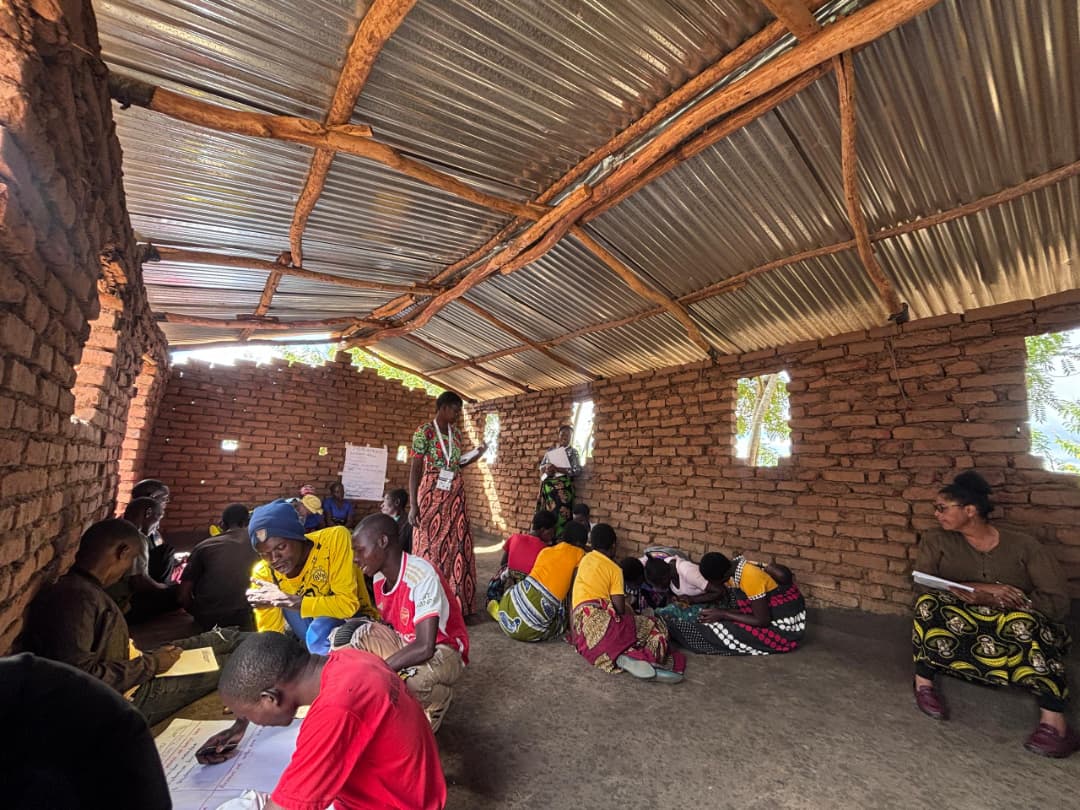
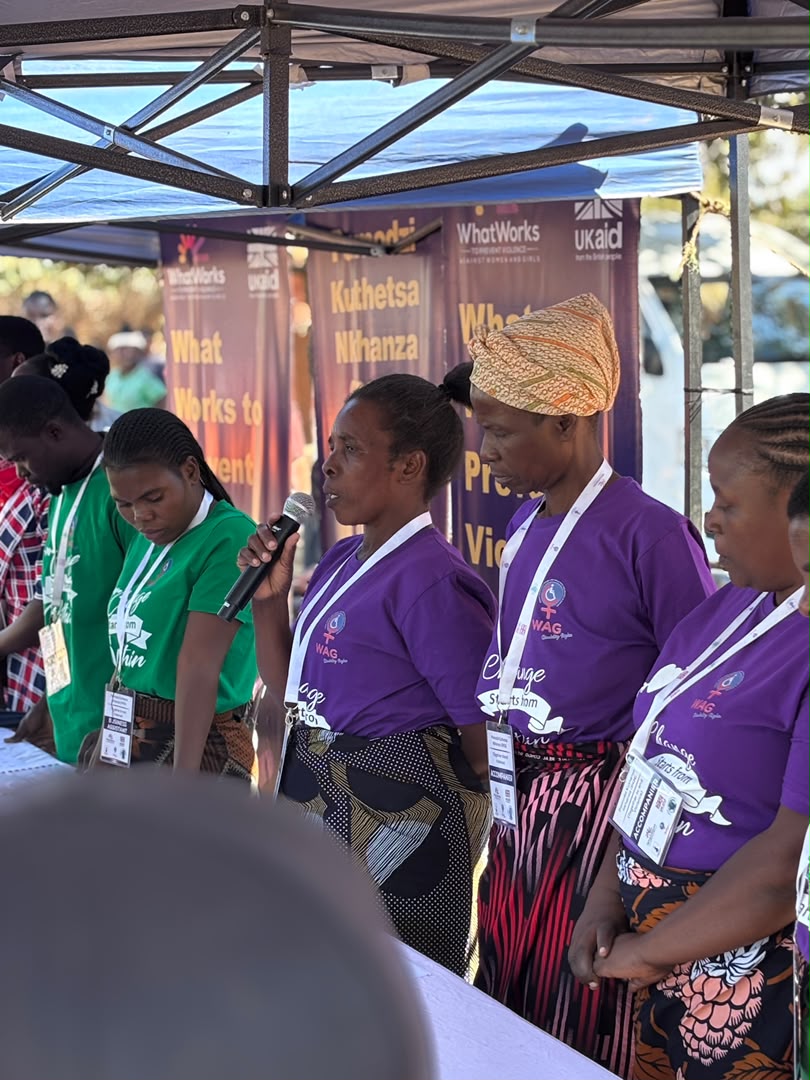
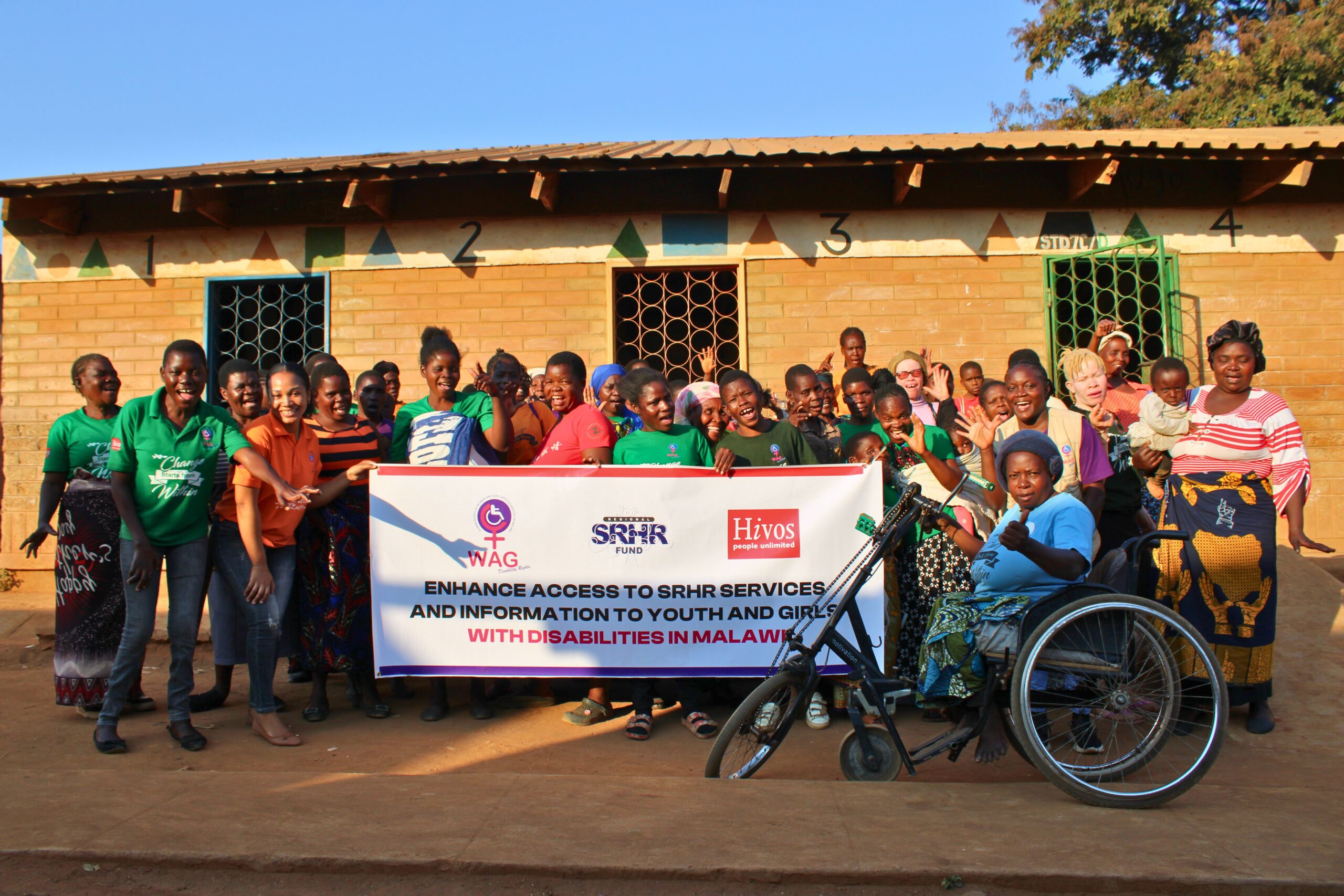
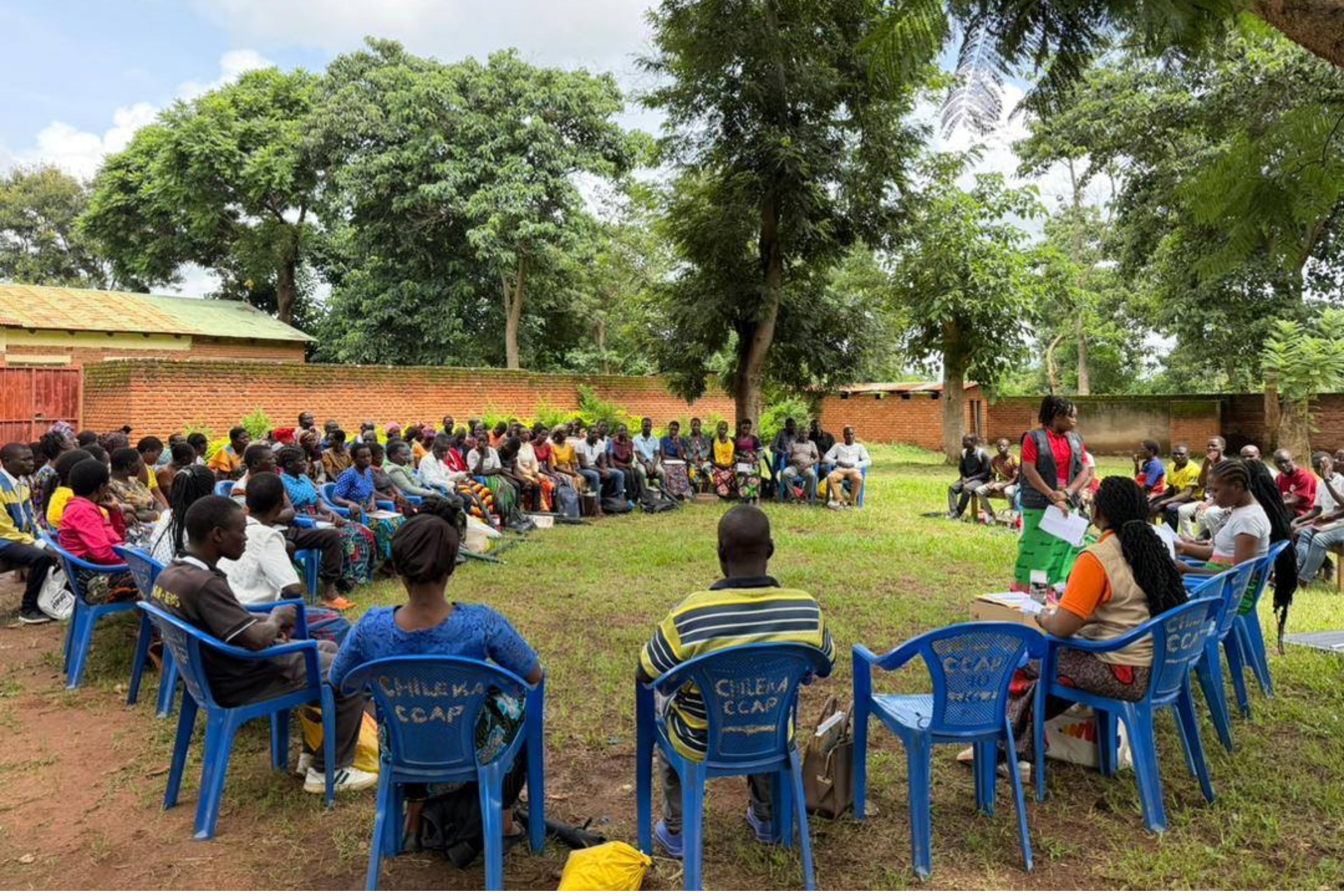
In its first year of implementation, EmpowerHer ran two rounds of sensitisation meetings in all three areas. A total of 157 women, girls, and family members took part. Separately, 22 frontline service providers — including nurses, police, child protection workers, and judiciary staff — attended dedicated awareness training.
The results go beyond attendance figures. WAG’s 2024 reporting documents a shift that staff and participants describe consistently: women and girls with disabilities are speaking up.
They are reporting cases of discrimination and violence. They are seeking health care they previously avoided. They are participating in community activities and advocating for themselves in ways that were rare before.
One of the most significant results identified by the project team was what they called “increased agency” — women no longer waiting to be helped, but actively claiming what they are entitled to.
Why This Change Matters
Awareness alone does not change health outcomes. But awareness combined with confidence, support, and accessible services does.
In Malawi, women and girls with disabilities have historically been excluded from SRHR conversations — by society, sometimes by their own families, and often by health systems that were never designed with them in mind. The idea that they are sexual beings with health needs, rights, and the ability to make decisions about their own bodies is still contested in many communities.
EmpowerHer challenges that directly. Not through lectures, but through consistent engagement — sensitisation, training, mentorship, and peer support — that builds knowledge and self-belief over time.
The Duty Bearers Are Changing Too
The shift is not only among rights holders. Service providers who went through GBV and SRHR training report changed attitudes and practices. Health workers are demonstrating more inclusive approaches. Police and child protection staff are more responsive to the specific needs of women with disabilities.
Parents and caregivers — who previously held views that limited their children’s participation in community life — are now actively encouraging involvement. That shift in the home is as important as any policy change.
Looking Ahead
EmpowerHer is a multi-year project. The work started in 2024 is a foundation, not a finish line.
Planned next steps include expanding outreach to more women and girls with disabilities beyond the three current areas, strengthening peer-to-peer learning and mentorship, and working with health providers to improve the quality and accessibility of SRHR services long-term.
WAG is also advocating for policy reforms that would make disability-inclusive SRHR services a standard part of national health provision — not an exception that depends on project funding.
The women in Area 23, Kauma, and Senti have shown what is possible when they are given information, support, and the chance to speak. The goal now is to make sure that chance is available to every woman and girl with a disability in Malawi.
EmpowerHer is funded by Kynnys ry through Disability Partnership Finland and implemented by WAG Disability Rights in Lilongwe, Malawi.