When people talk about climate change in Malawi, they talk about floods, droughts, and food insecurity. Those are real and urgent problems. But there is a dimension of climate vulnerability that rarely makes it into those conversations.
Women and girls with disabilities are among the people hit hardest by extreme weather — and they are almost entirely absent from climate adaptation planning.
WAG Disability Rights is working to change that. Here is what we have seen.
What Happened in Our Programme Areas in 2024
In late 2024, two weather events disrupted WAG’s programme activities in ways that brought this issue into sharp focus.
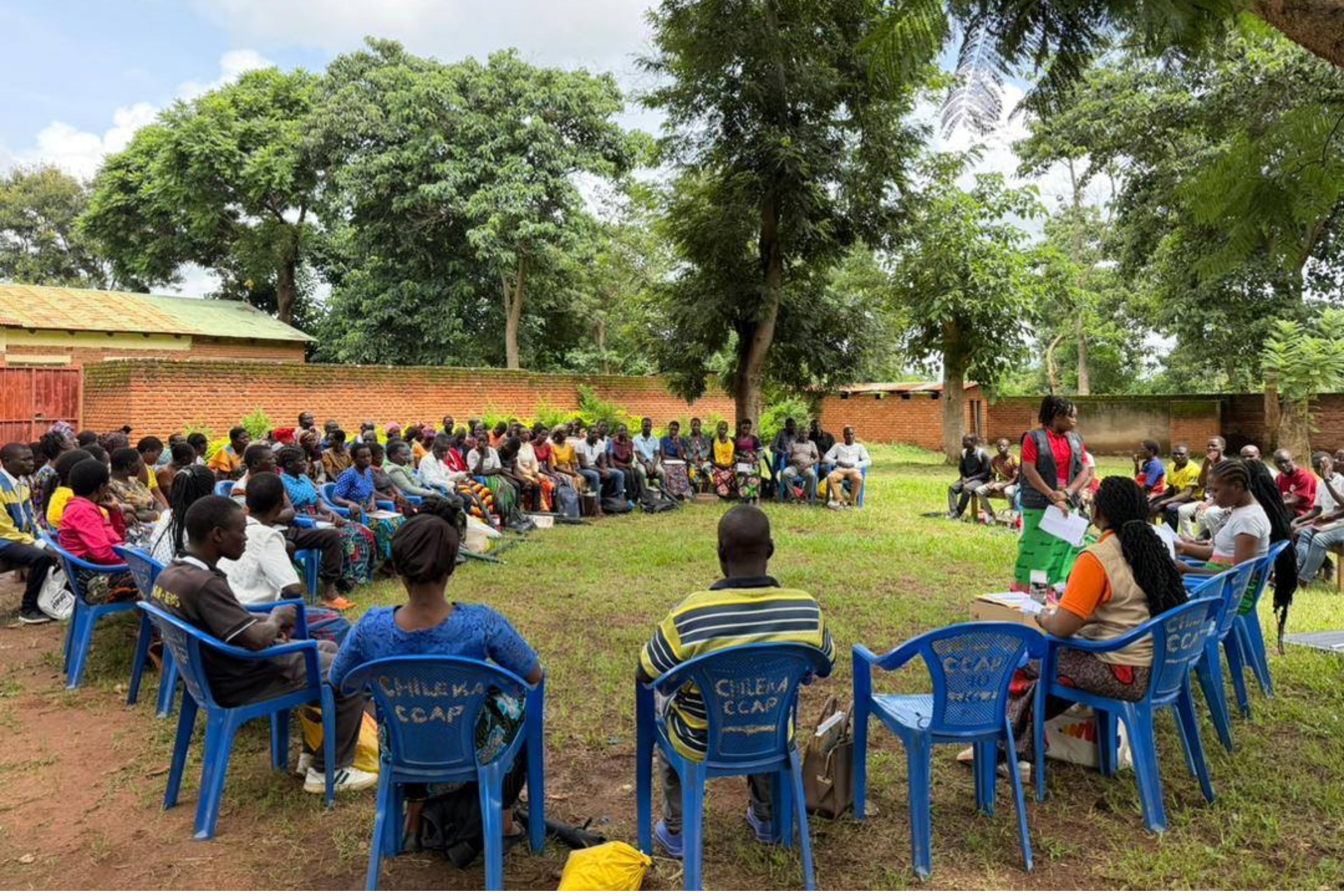
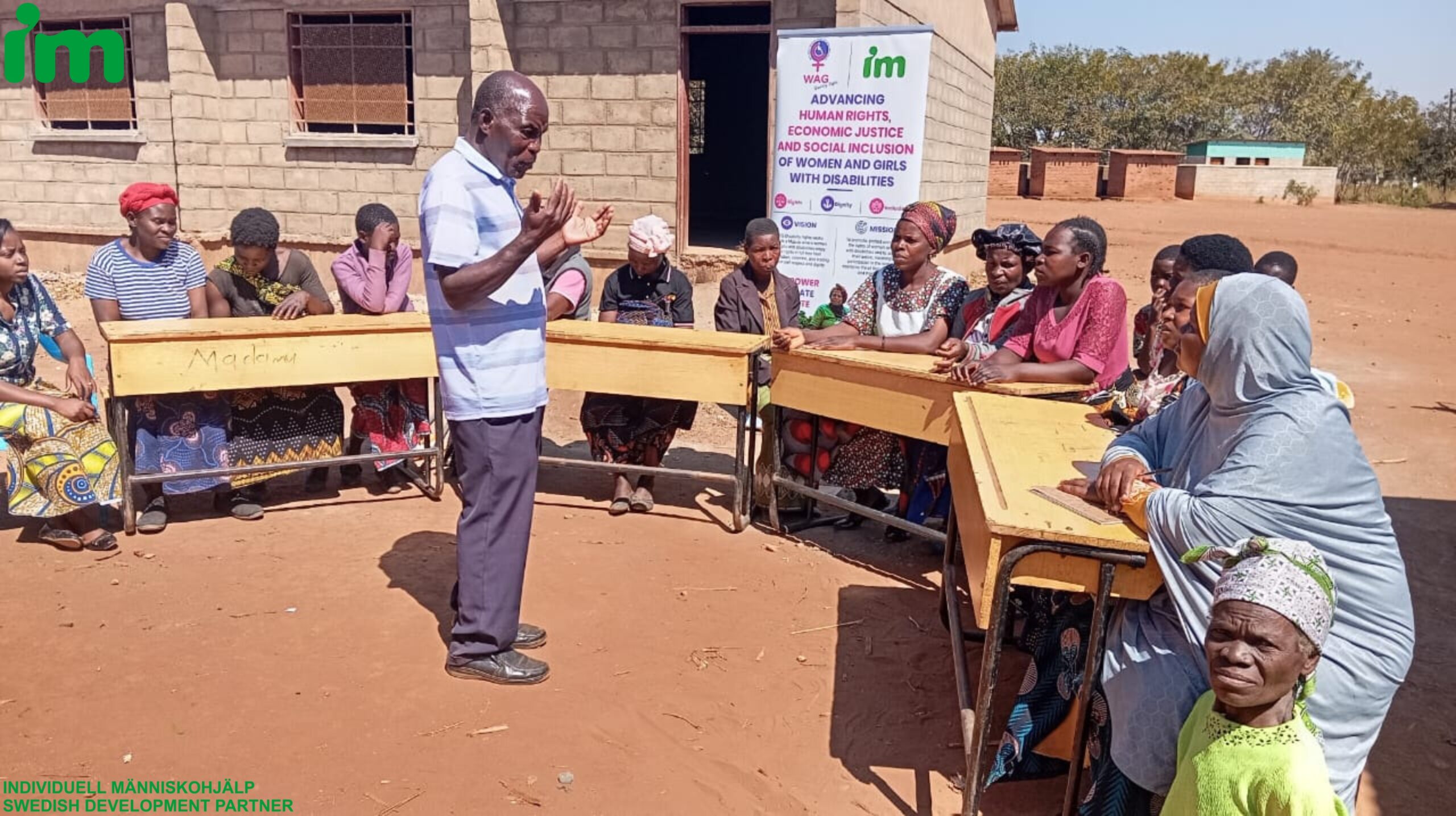
Between October and December, extreme heat waves swept across Malawi. For most people, this meant discomfort. For women with albinism in WAG’s programme areas, it meant something more serious. Sun exposure poses a direct health risk for people with albinism — a condition that affects melanin production and leaves skin highly vulnerable to UV radiation. During peak heat periods, women and girls with albinism could not safely attend outdoor sessions. They missed activities. They fell further behind.
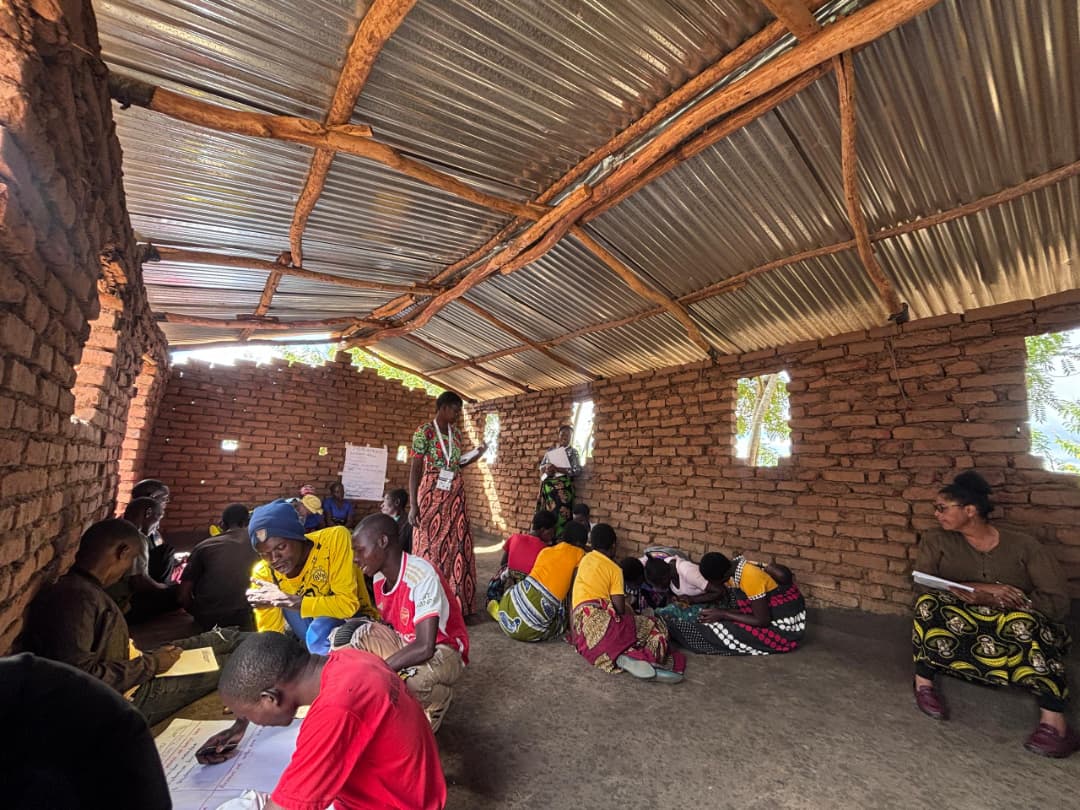
Then, in December, prolonged heavy rainfall hit Senti — one of WAG’s three implementation areas in Lilongwe. Attendance dropped sharply. For women with mobility impairments, flooded and uneven ground is not just inconvenient. It is impassable. The rains did not affect everyone equally. They affected people with disabilities most.
Why Disability and Climate Are Connected
This is not a coincidence. It is a pattern — and it is well established in global research, even if it rarely shapes local planning.
People with disabilities face greater climate risk for several reasons. Physical mobility limitations make it harder to evacuate during floods or reach safe shelter quickly. Sensory impairments can make it harder to receive or interpret early warnings. Dependence on assistive devices — wheelchairs, crutches, hearing aids — creates additional vulnerability when infrastructure fails or supply chains are disrupted.
Economic marginalisation compounds all of this. Women with disabilities in Malawi are more likely to live in poor housing, in flood-prone areas, with less access to transport, health care, and social support. When a climate event hits, they have fewer resources to fall back on and less ability to adapt.
Albinism adds a specific layer that is easily overlooked. In sub-Saharan Africa, people with albinism already face stigma, violence, and barriers to health care. Rising temperatures and increased UV exposure add a direct physical threat to that already difficult picture.
What WAG Is Doing About It
In 2024, WAG began integrating climate resilience into its programme work. This is a new area of focus — still developing — but the direction is clear.
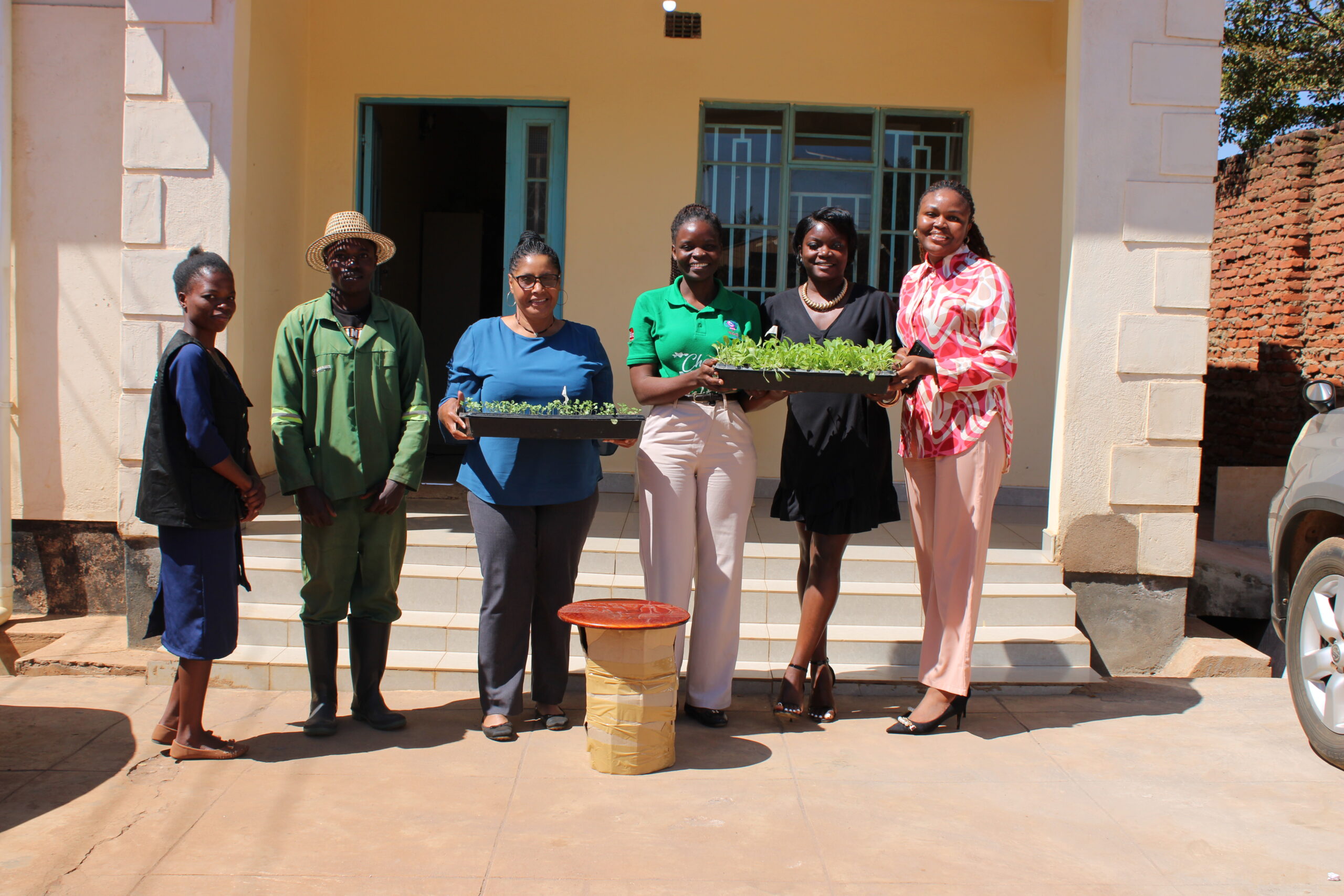
WAG’s Project Coordinator attended an agro-ecology training under the Youth Leadership in Emergency Response programme run by Global Platform Malawi. The training covered sustainable environmental practices, including composting, natural pest control, crop diversification, and climate-adaptive farming. The goal was to bring that knowledge back into WAG’s programming — particularly for women with disabilities in rural communities whose livelihoods depend on agriculture.
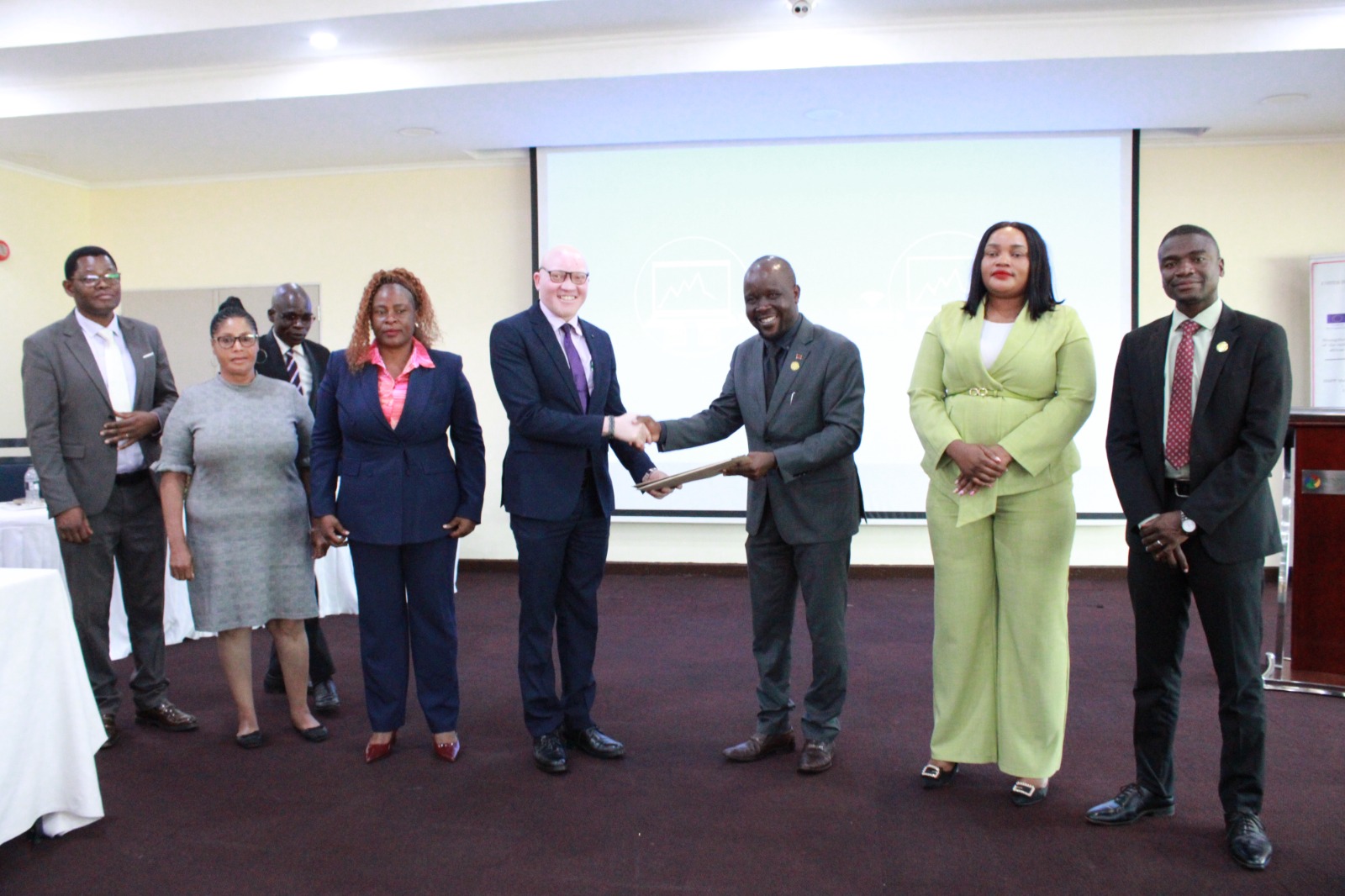
WAG’s Project Coordinator and National Coordinator also attended an information session on mainstreaming climate resilience, low-emission development, and environmental sustainability in projects. The session was organised by Disability Partnership Finland — the donor body through which WAG’s EmpowerHer project is funded. It provided a framework for thinking about how disability-inclusive organisations can reduce their own carbon footprints while building resilience into the communities they serve.
What Needs to Change in Planning
The 2024 experience produced a direct lesson: climate risk must be built into programme planning from the start, not addressed after disruption has already happened.
Practically, this means several things for WAG and organisations like it:
- Meeting schedules should account for seasonal weather patterns, particularly avoiding outdoor activities during peak heat periods in communities where people with albinism participate.
- Venues must be accessible in wet conditions — not just wheelchair-accessible in the standard sense, but reachable when roads are muddy, paths are flooded, and transport is disrupted.
- Alternative participation options — phone-based support, community radio, peer networks — should be available for women who cannot attend in person due to weather-related barriers.
- Climate awareness and disaster preparedness should be part of the information shared with women and girls with disabilities, equipping them to protect themselves and their families.
The Wider Advocacy Argument
Beyond programme adjustments, there is a policy argument that WAG is beginning to make.
Climate adaptation plans in Malawi do not routinely disaggregate by disability. Disaster risk reduction frameworks do not consistently include persons with disabilities in their planning processes. When extreme weather events occur, the specific needs of people with disabilities are often addressed as an afterthought — if at all.
WAG’s position is that this is not good enough. Disability-inclusive climate action is not a niche concern. It is a justice issue. Women and girls with disabilities are among the least responsible for climate change and among the most affected by it. They deserve to be at the centre of adaptation planning — not added on at the end.
A Starting Point, Not a Finished Answer
WAG is clear-eyed about where it stands on this. The climate work started in 2024 is a beginning. The organisation does not yet have a full climate resilience strategy. Large-scale climate adaptation measures are still in development.
But the commitment is there. And the evidence from the field — women with albinism missing sessions because of heat, women with mobility impairments cut off by rain — makes the urgency impossible to ignore.
Climate change is already here, in Malawi’s communities, in WAG’s programme areas. The question is not whether to respond. It is how to respond in a way that reaches the women who are most at risk.
WAG Disability Rights implements the EmpowerHer project with funding from Kynnys ry through Disability Partnership Finland, and the PKN project with funding from the UK Government through FCDO.