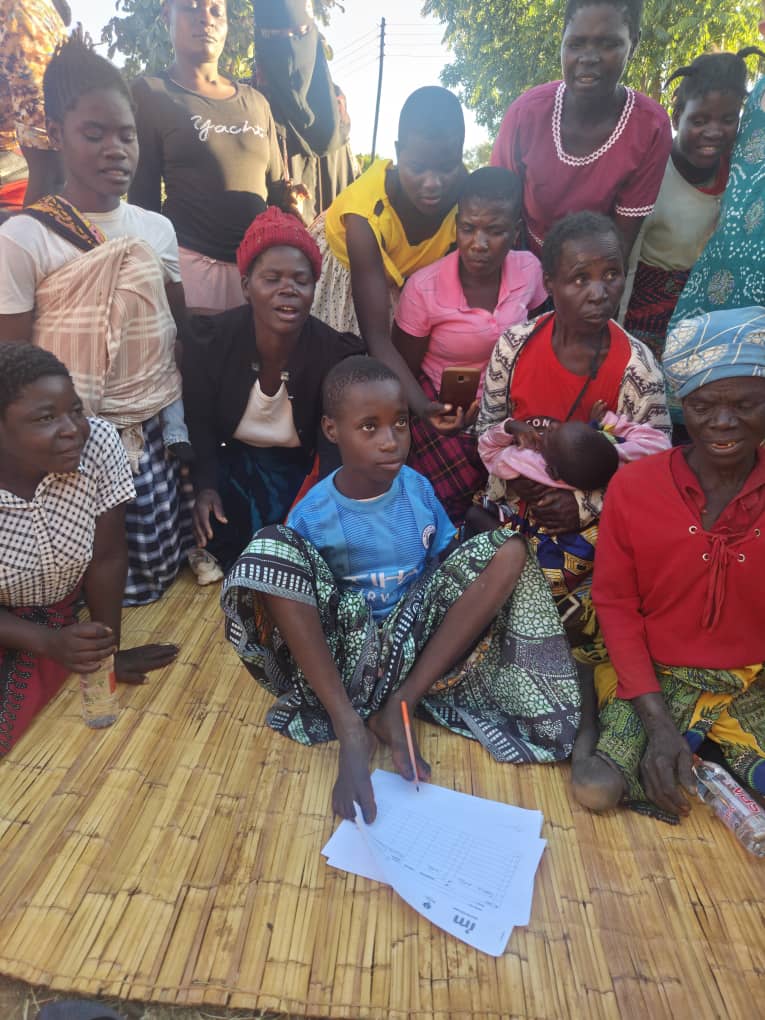
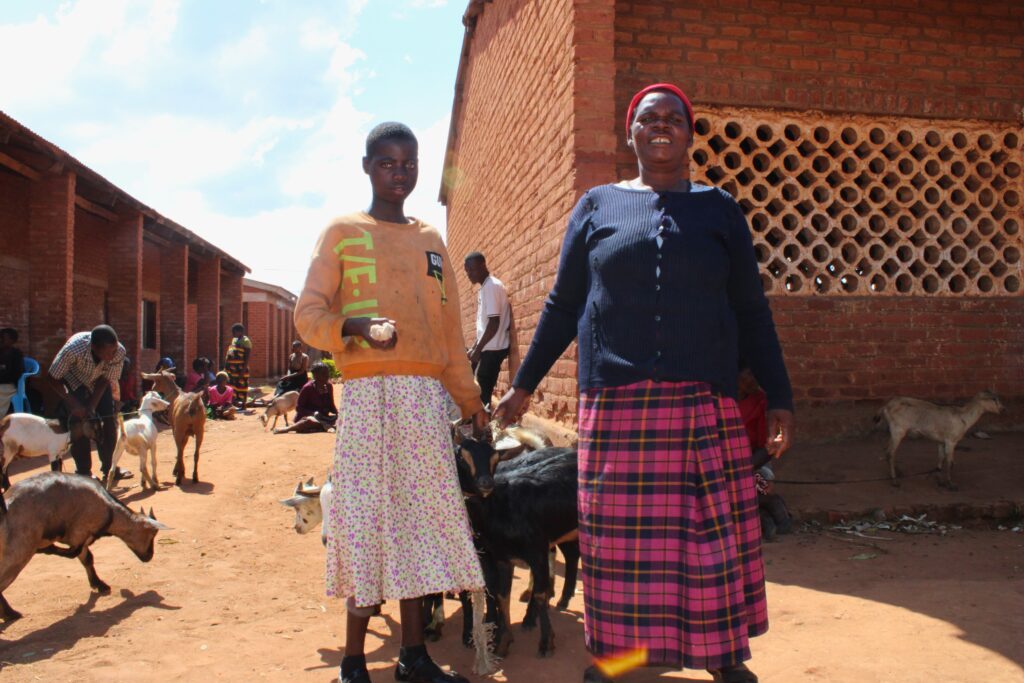
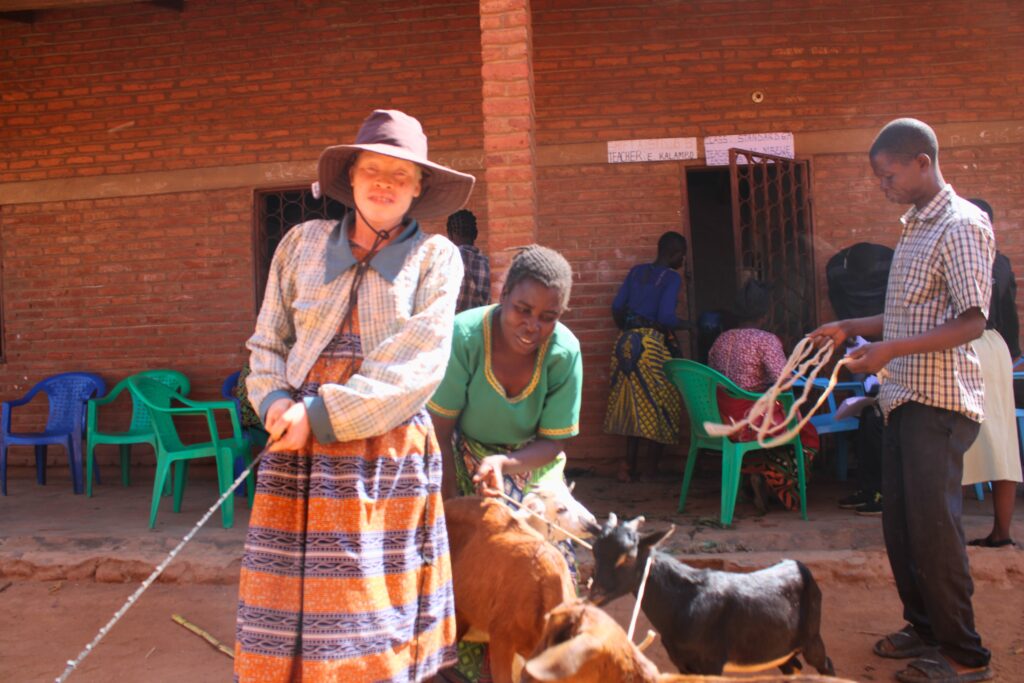
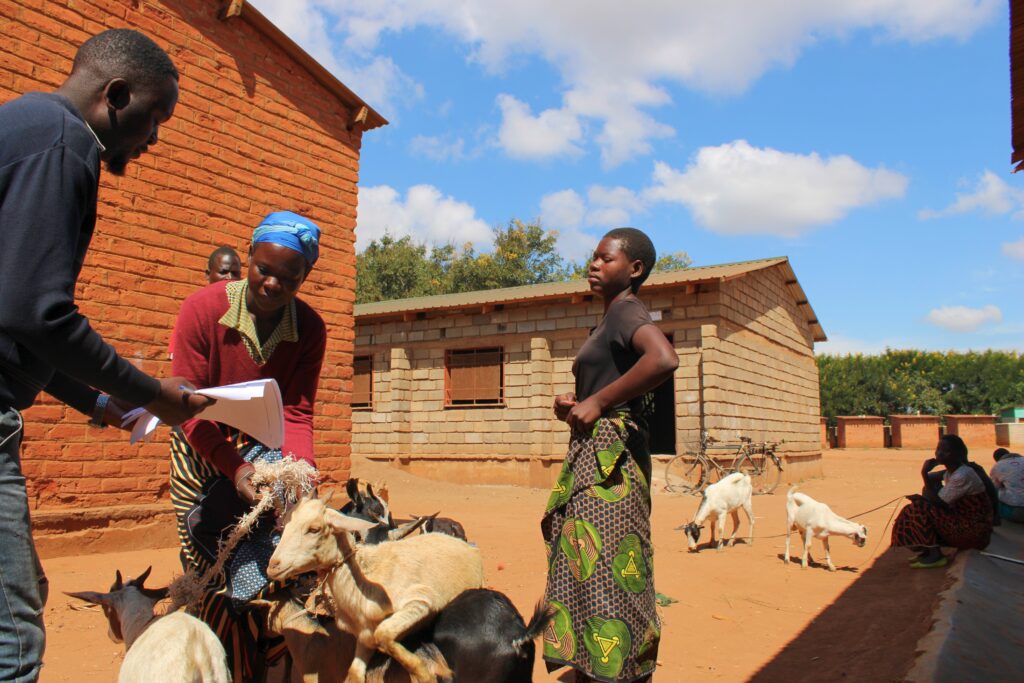
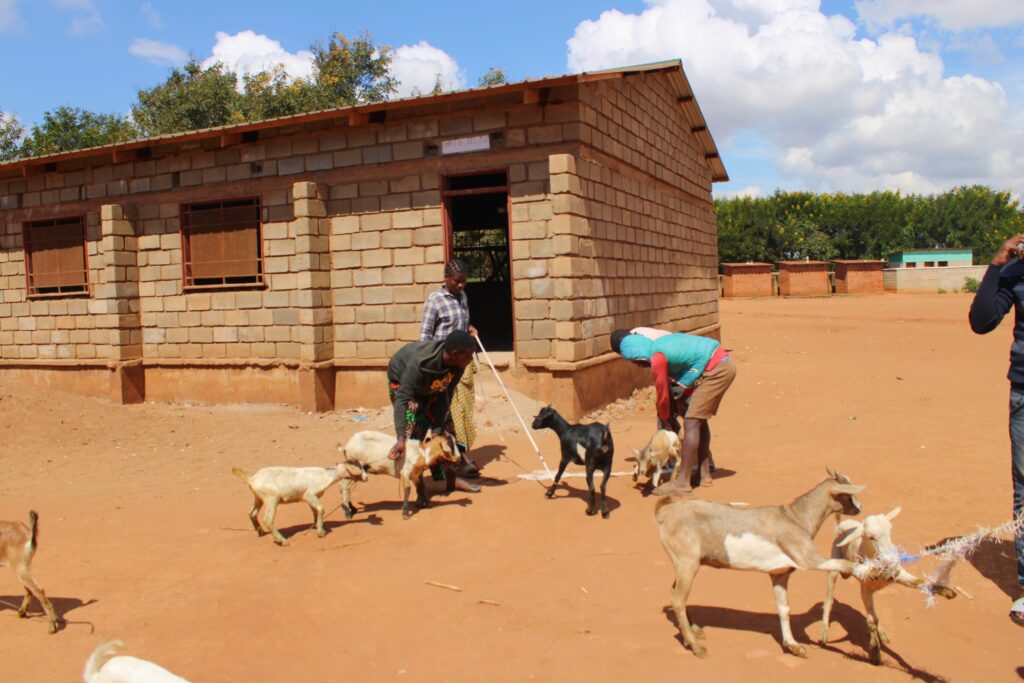
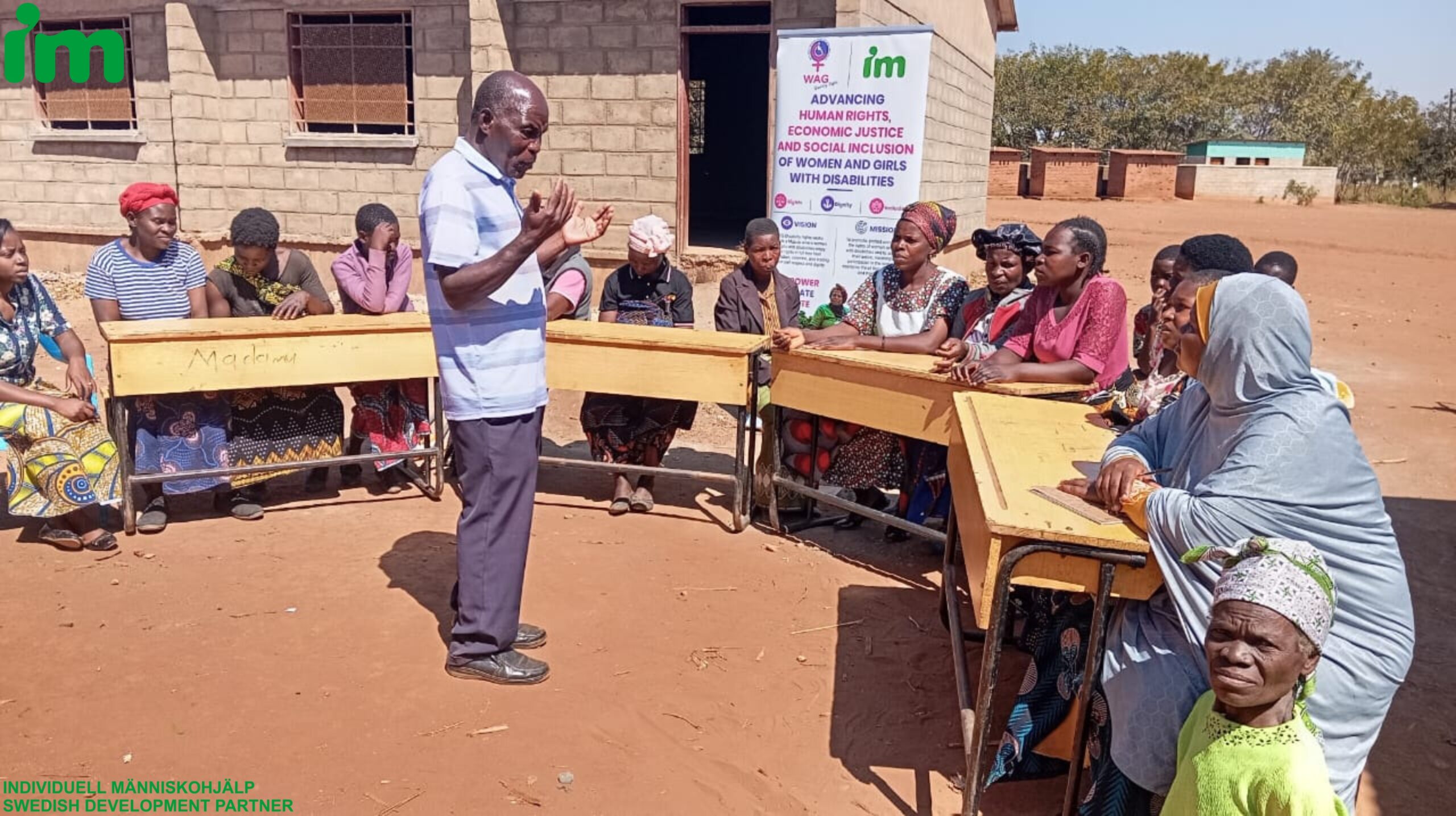
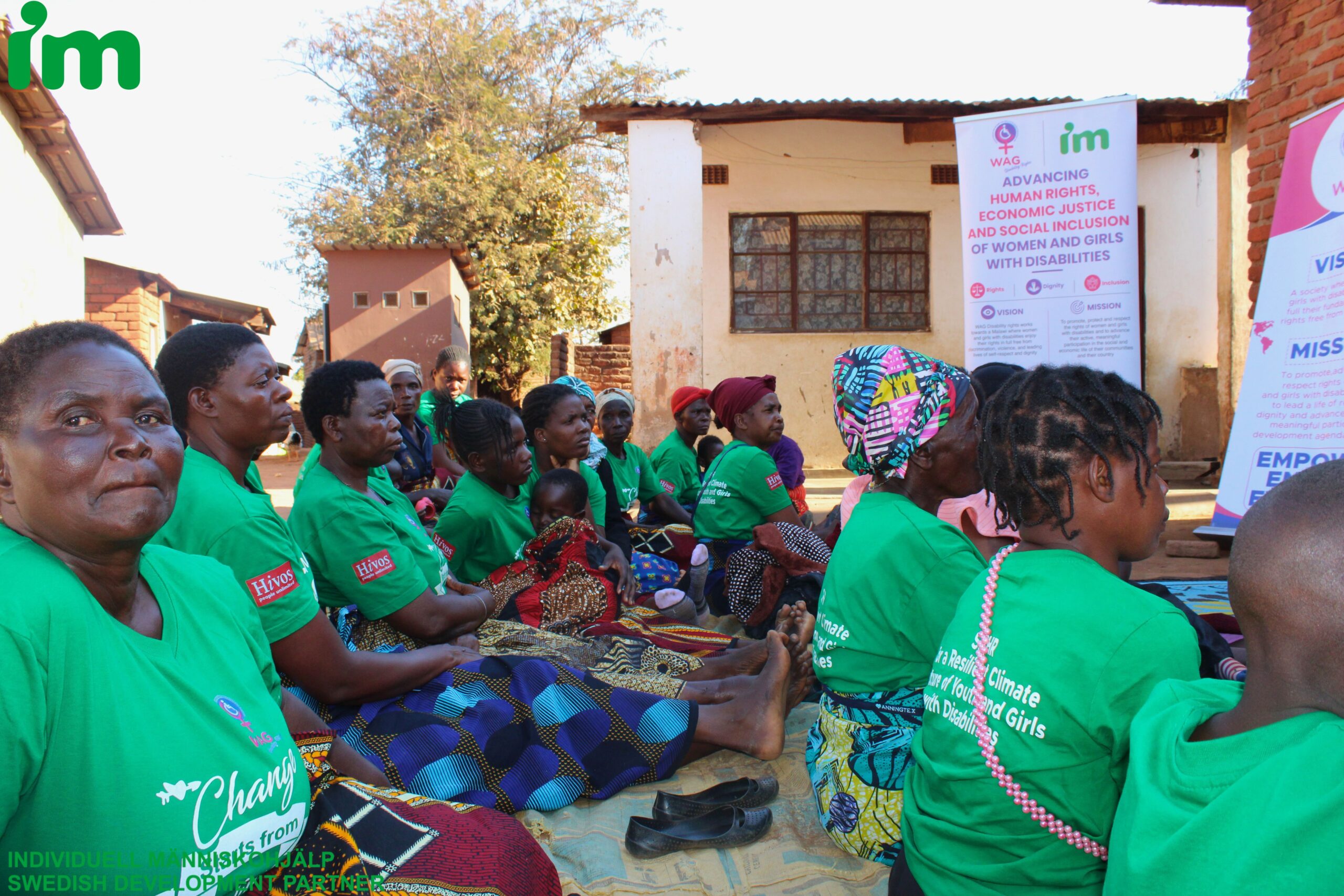
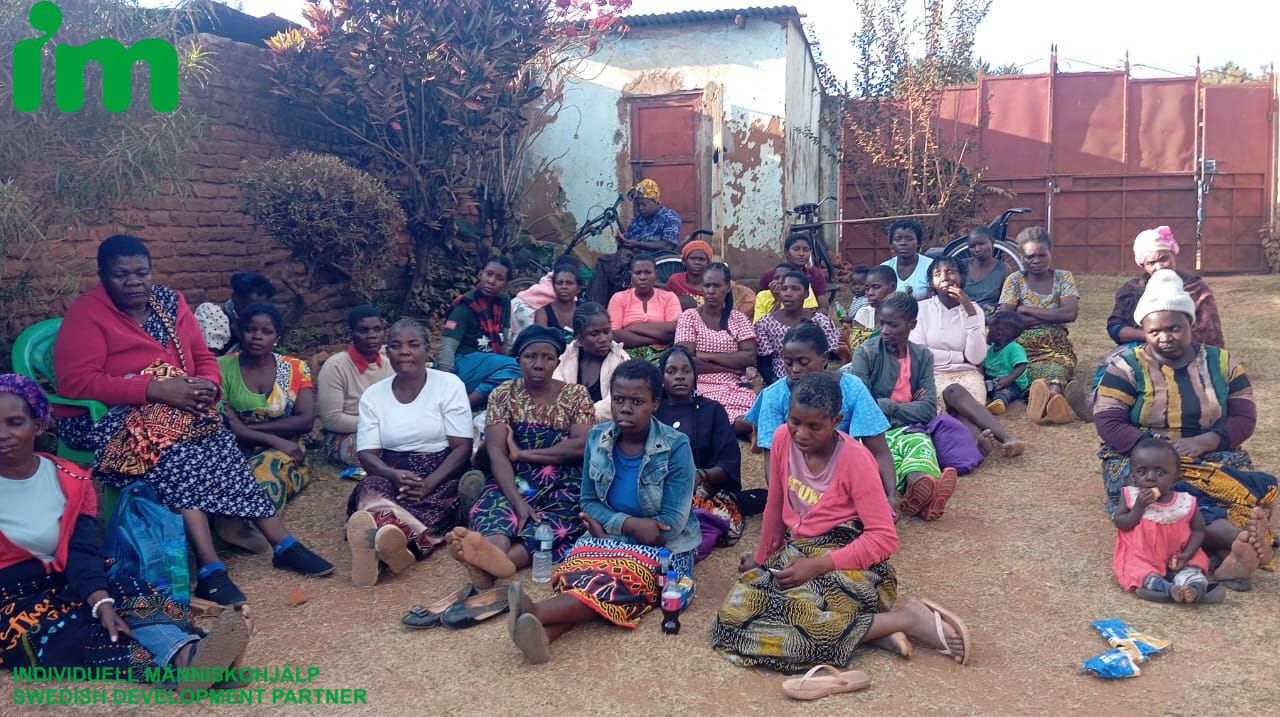
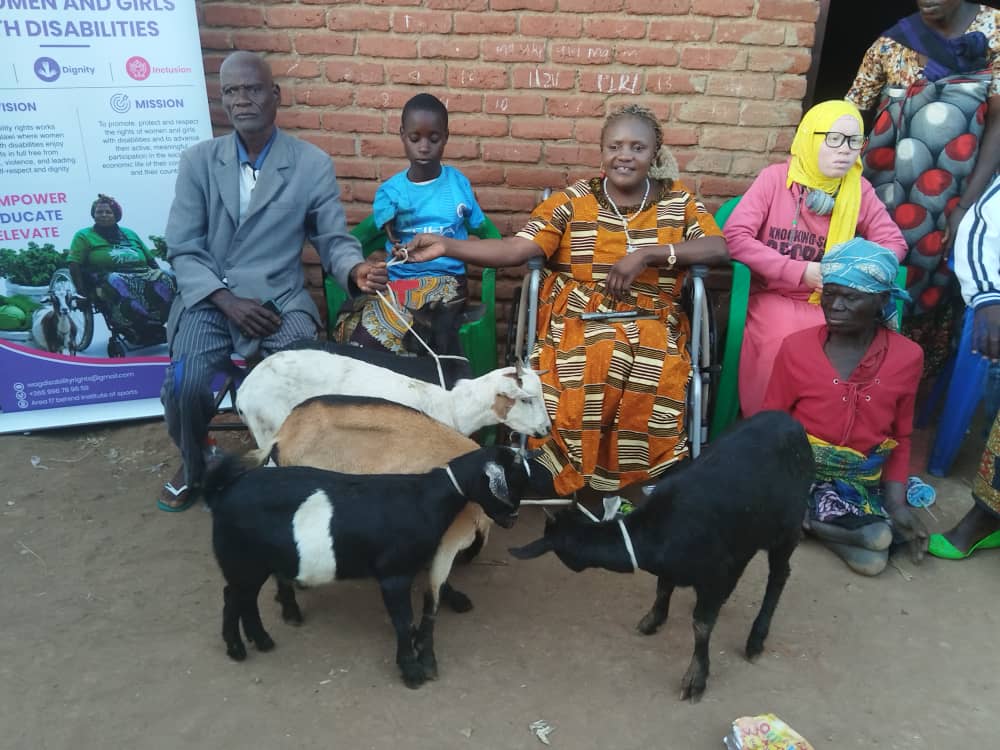
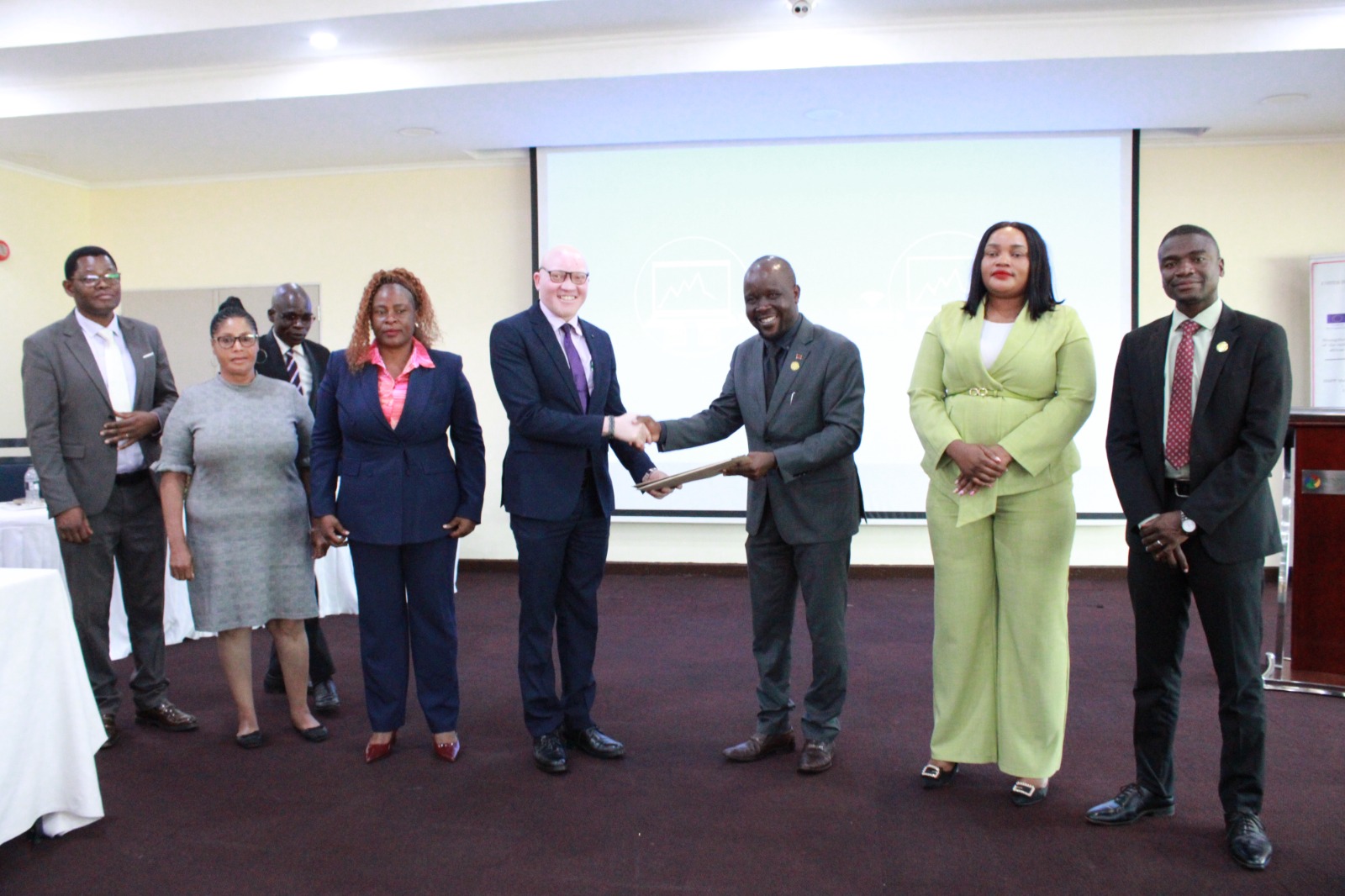
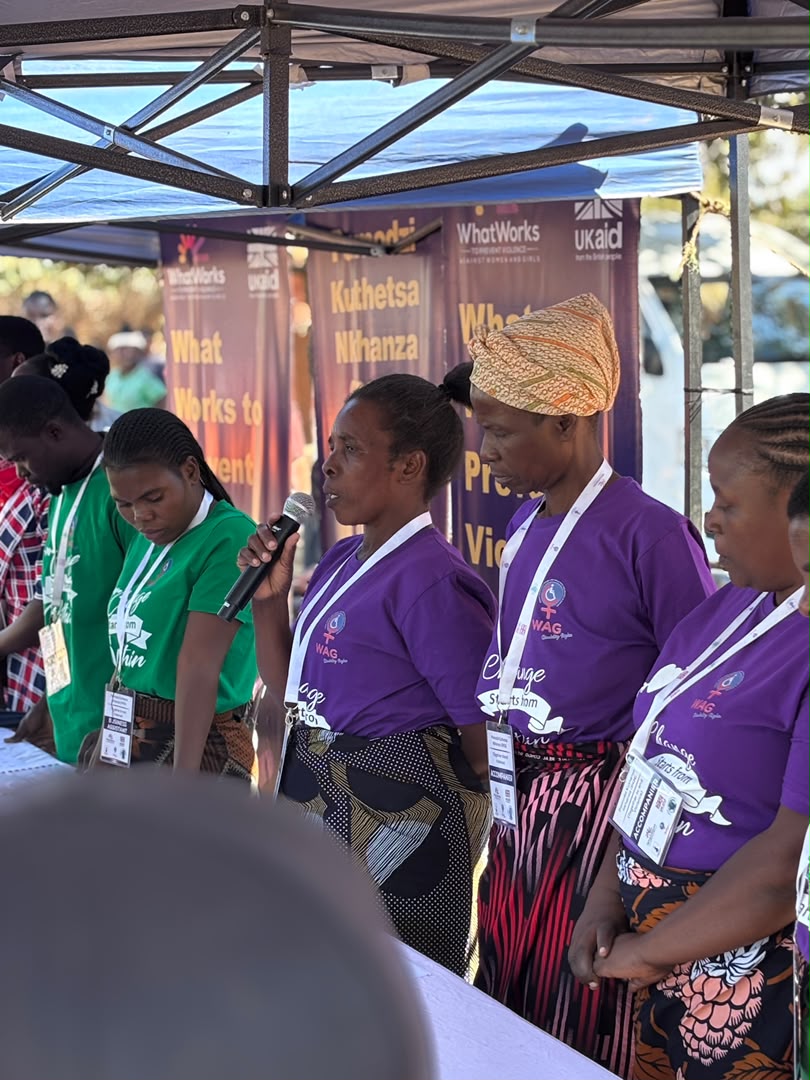
Under our ongoing IM initiative, advancing human rights, economic justice and social inclusion of women and girls with disabilities, 100 goats were distributed to 20 women and girls with disabilities each received five goats, four female and one male. This support marks a practical step toward strengthening livelihoods, expanding opportunity and promoting inclusion for women and girls with disabilities.
Why goats? A sustainable path to economic justice
According to WAG Disability Rights project staff, the livestock model was chosen deliberately. Goats adapt well to local conditions and can provide a sustainable asset for households with limited space or resources. Their ability to reproduce relatively quickly also makes them a practical pathway for building household assets over time.
Right holders also receive basic training in animal husbandry including shelter construction, feeding, disease prevention and record-keeping. WAG Disability Rights has also indicated that follow-up engagement with communities is part of the broader initiative, helping ensure that right holders are supported as they begin to care for and grow their herds.
Cynthia Moyo was born without arms and is in Grade 7 at Chivala Full Primary School, where she writes with her foot. She is one of the 20 right holders supported under this initiative. Cynthia said. “With these goats, I can support my education, help my family and believe in my own future. I used to think that because I have no arms, I would always depend on others. Now I have something of my own that can grow.”Her story reflects the determination, resilience and potential that this programme seeks to strengthen through practical, dignity-affirming economic support.
Economic justice is not only about income, but also about dignity, independence and the freedom to build a future on one’s own terms. We are proud to walk alongside these 20 right holders as they begin this journey toward greater social inclusion and economic empowerment.