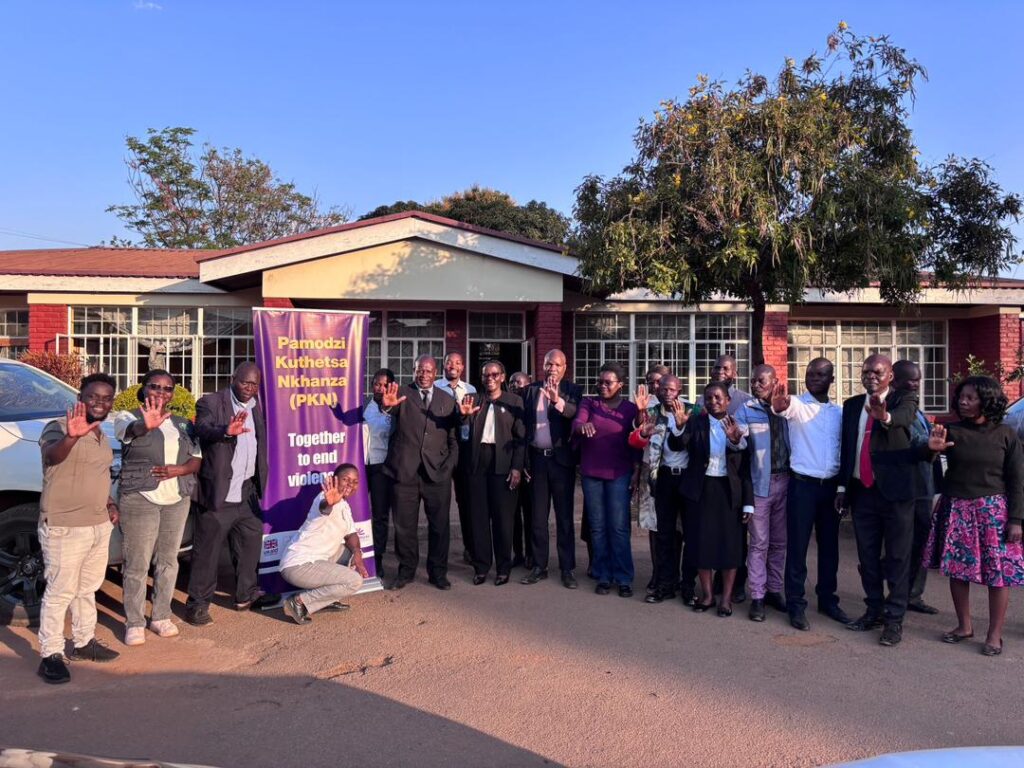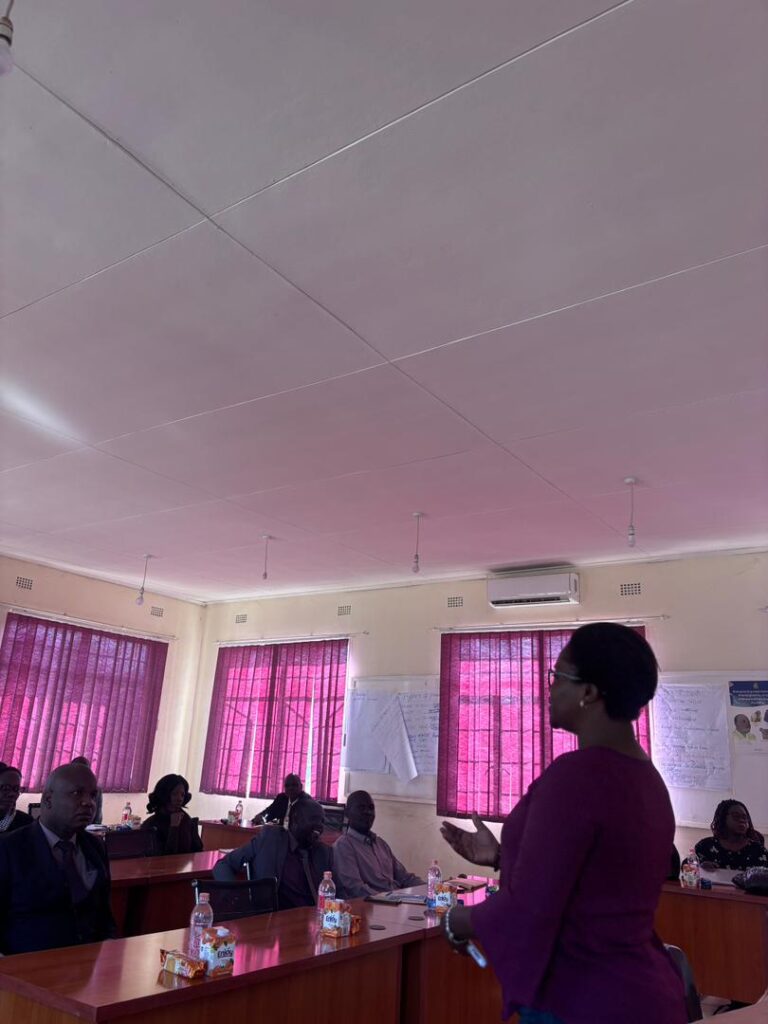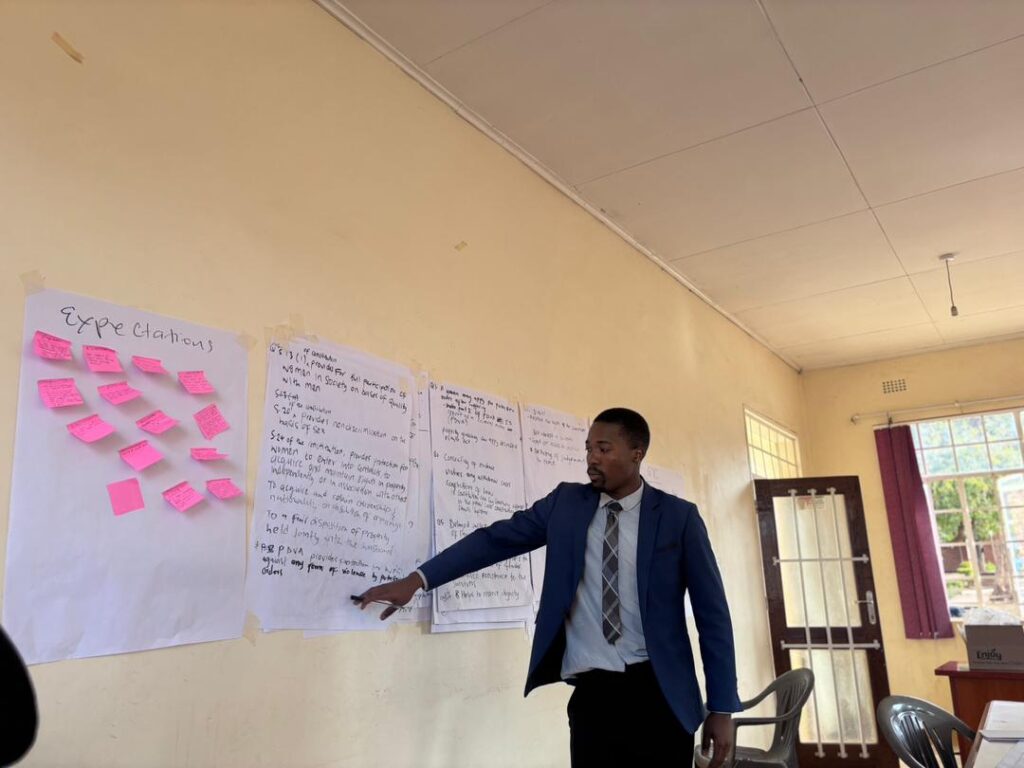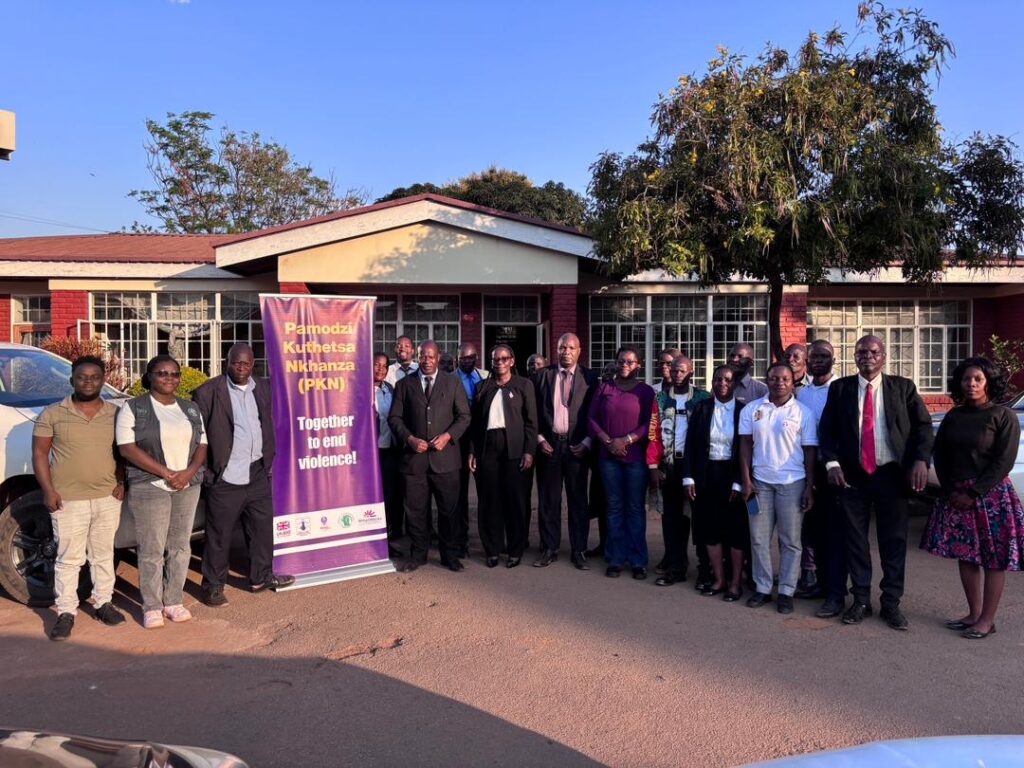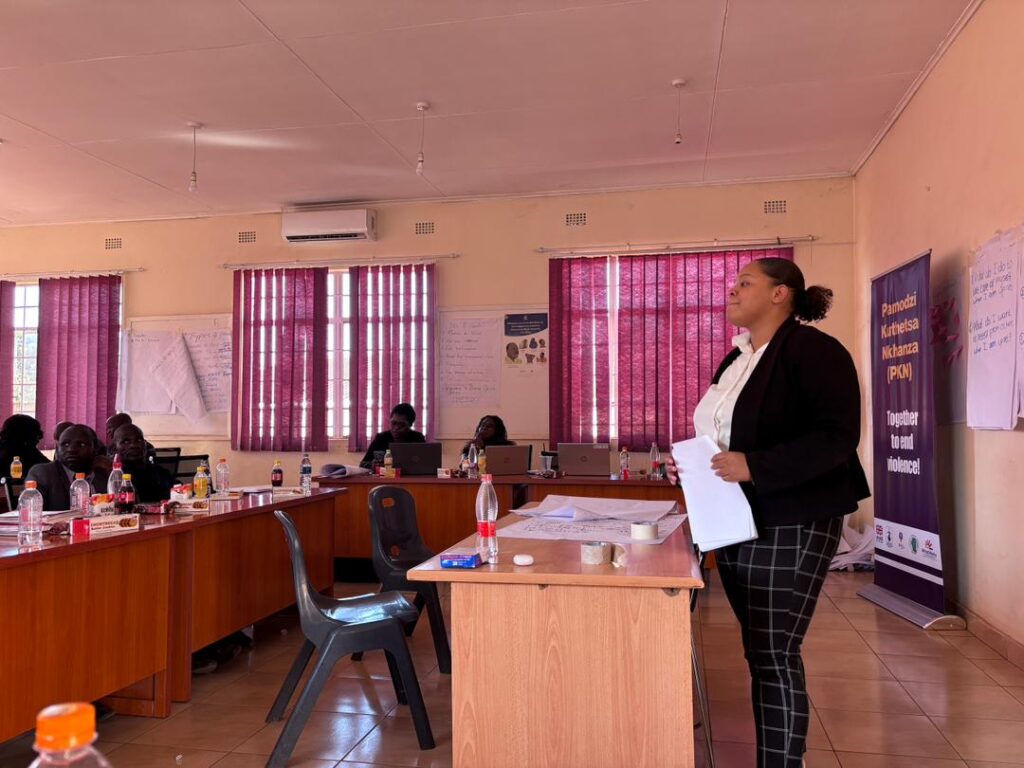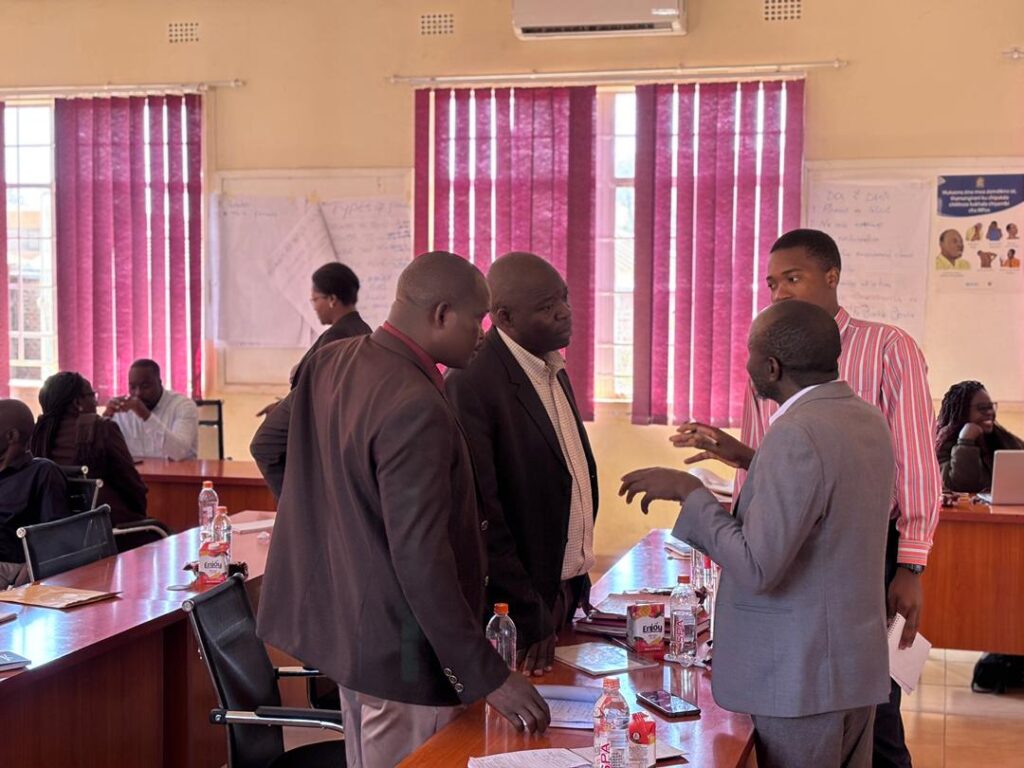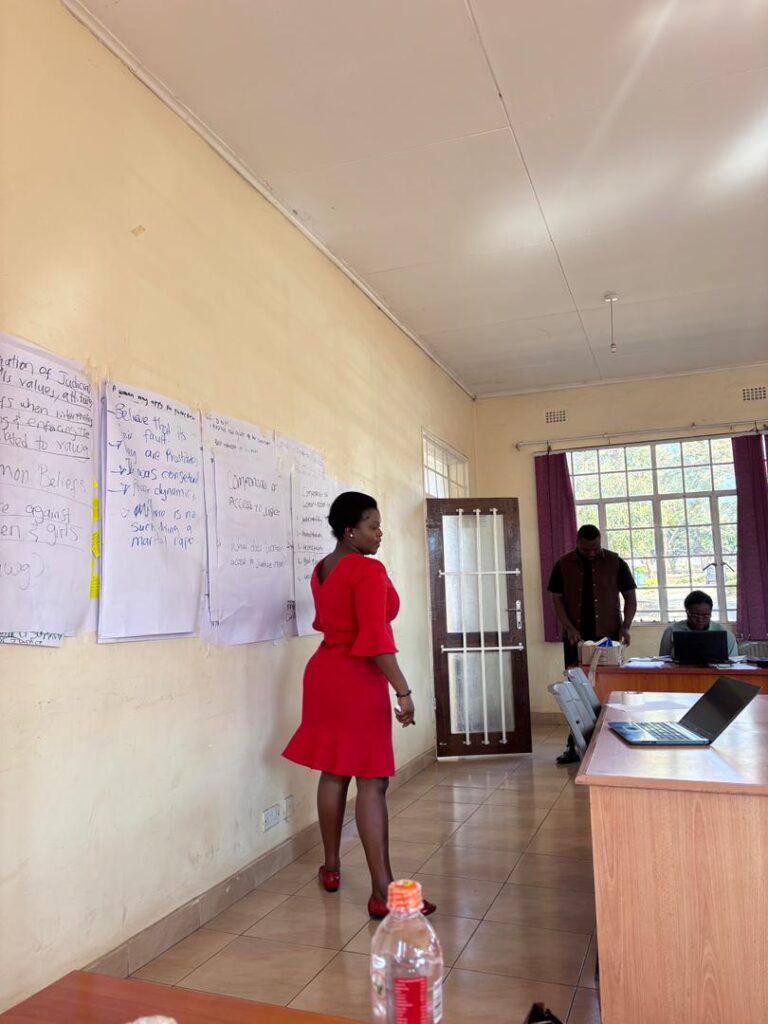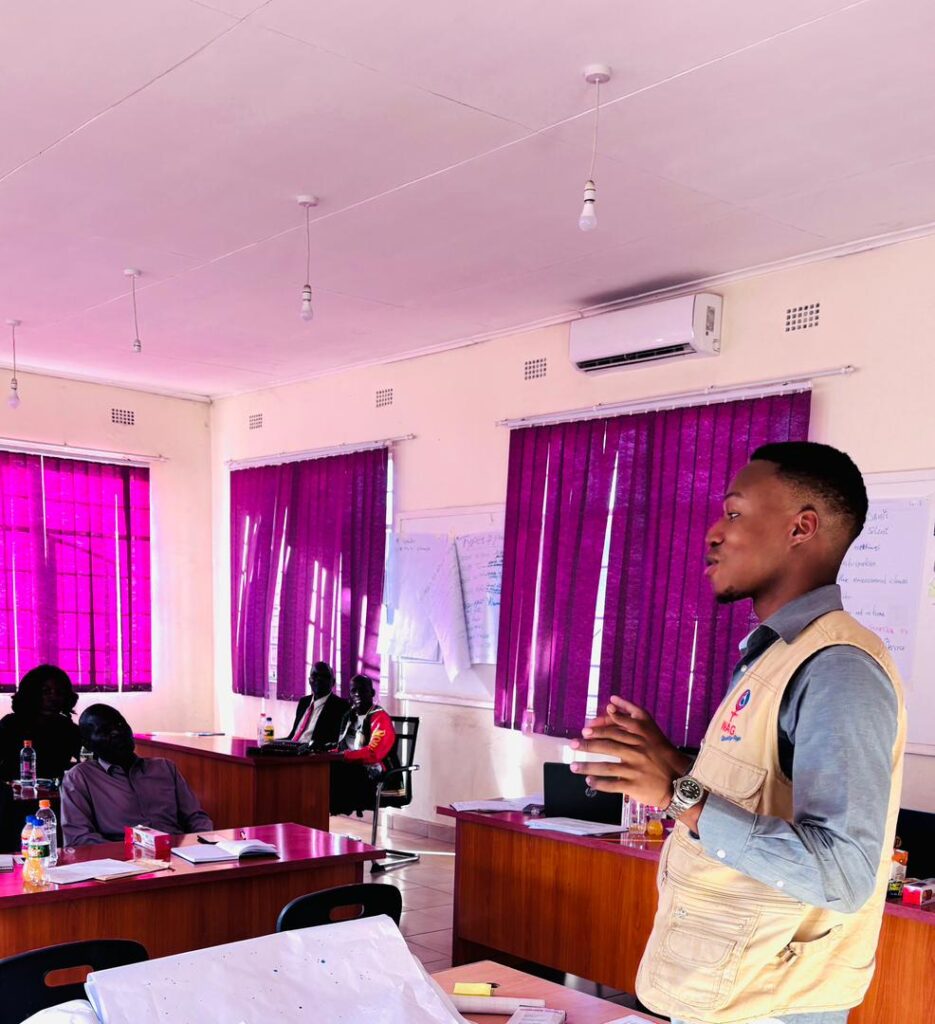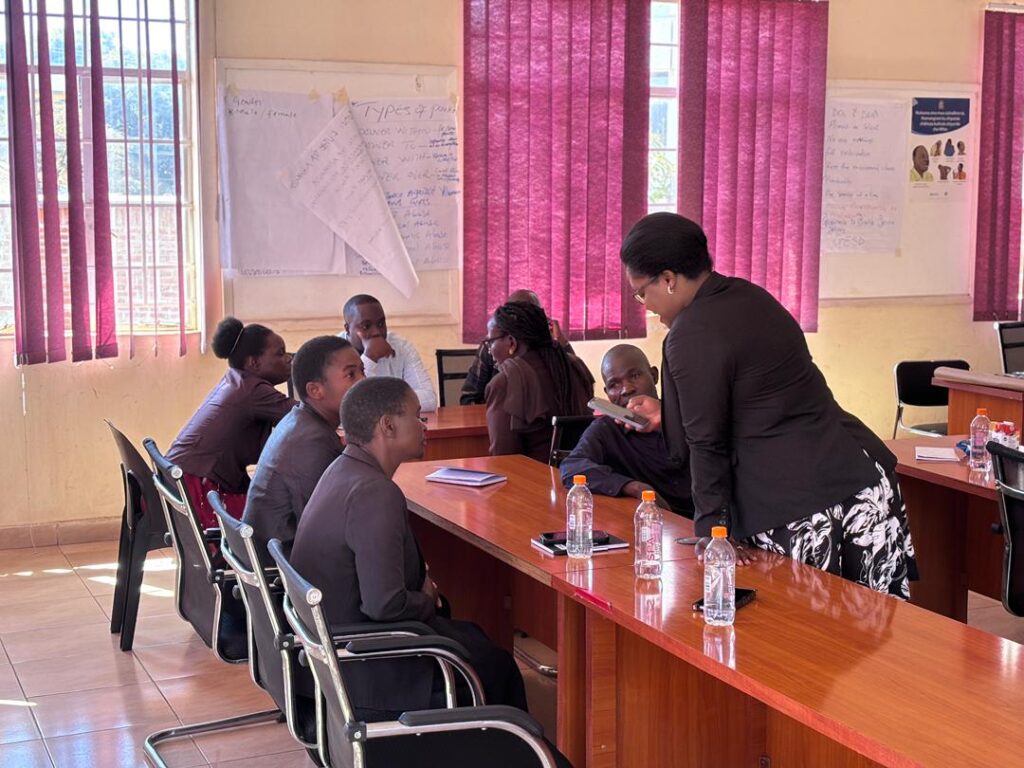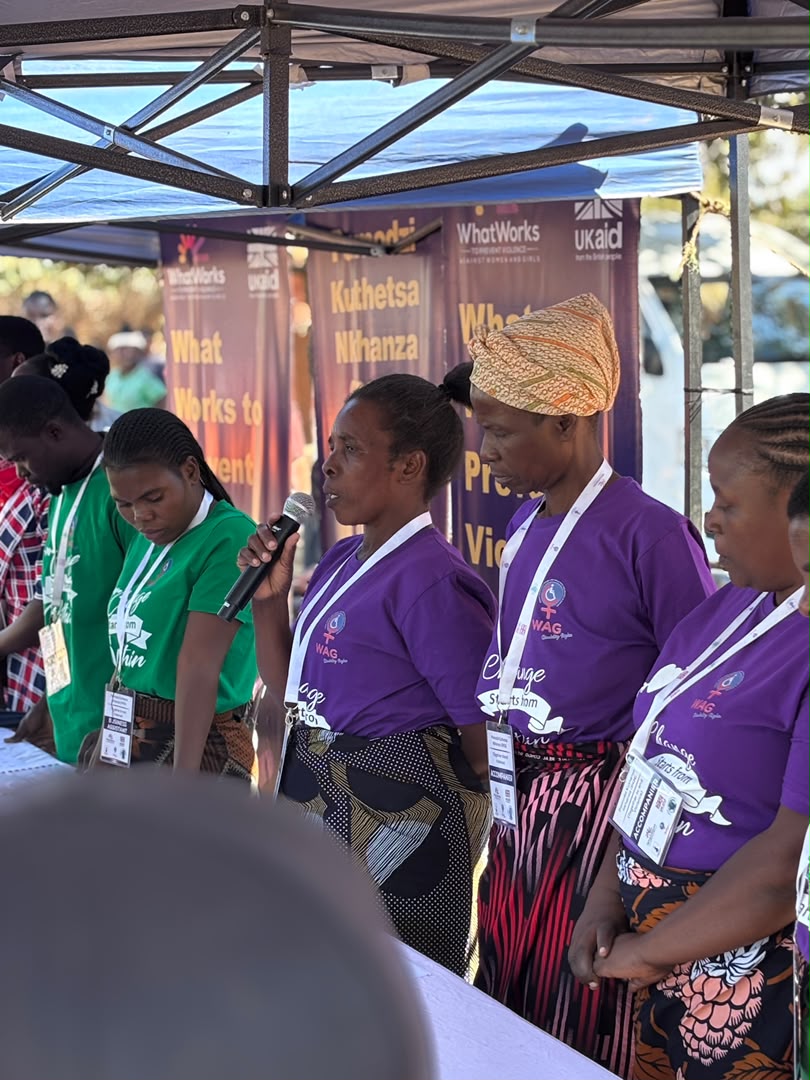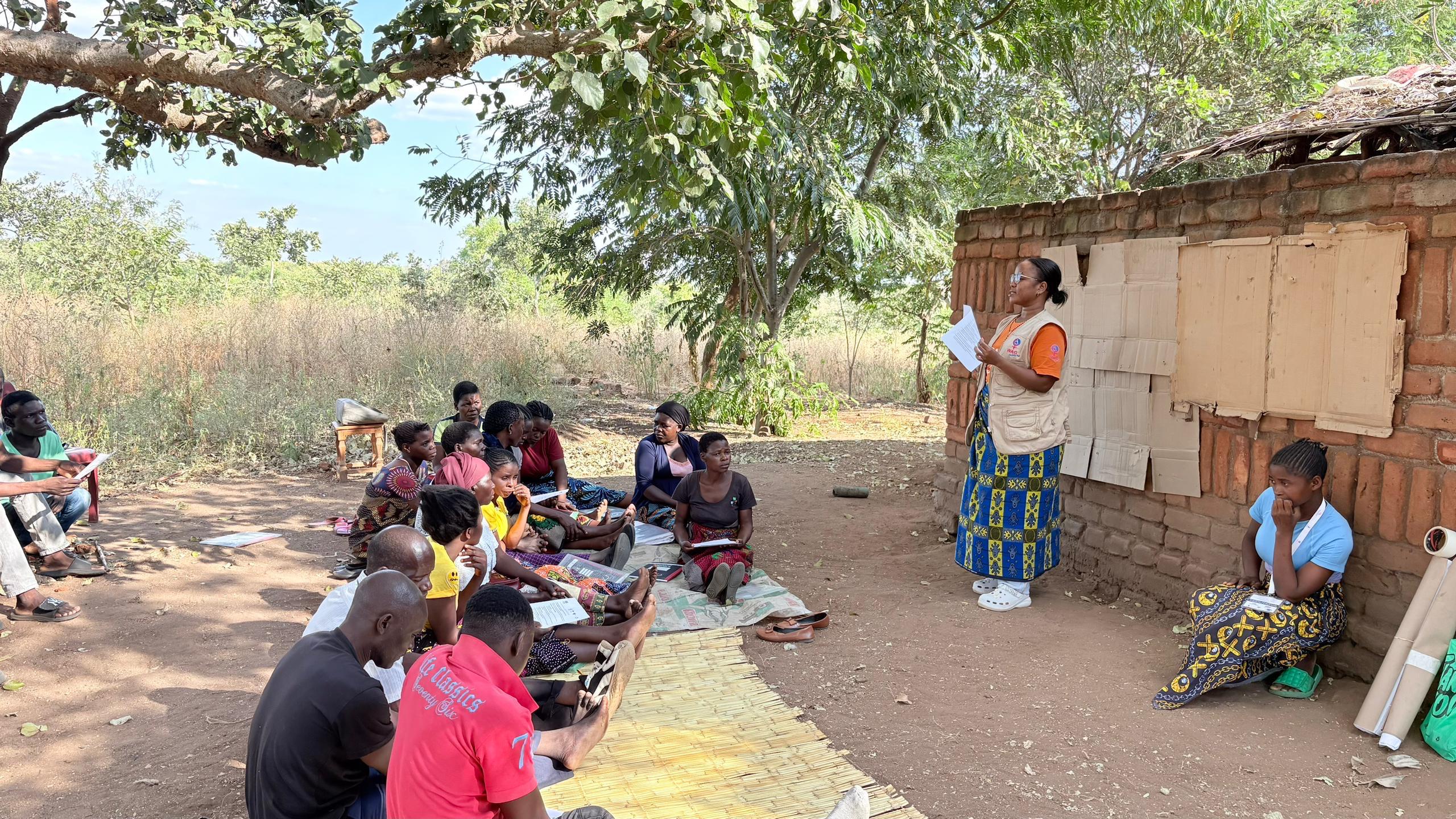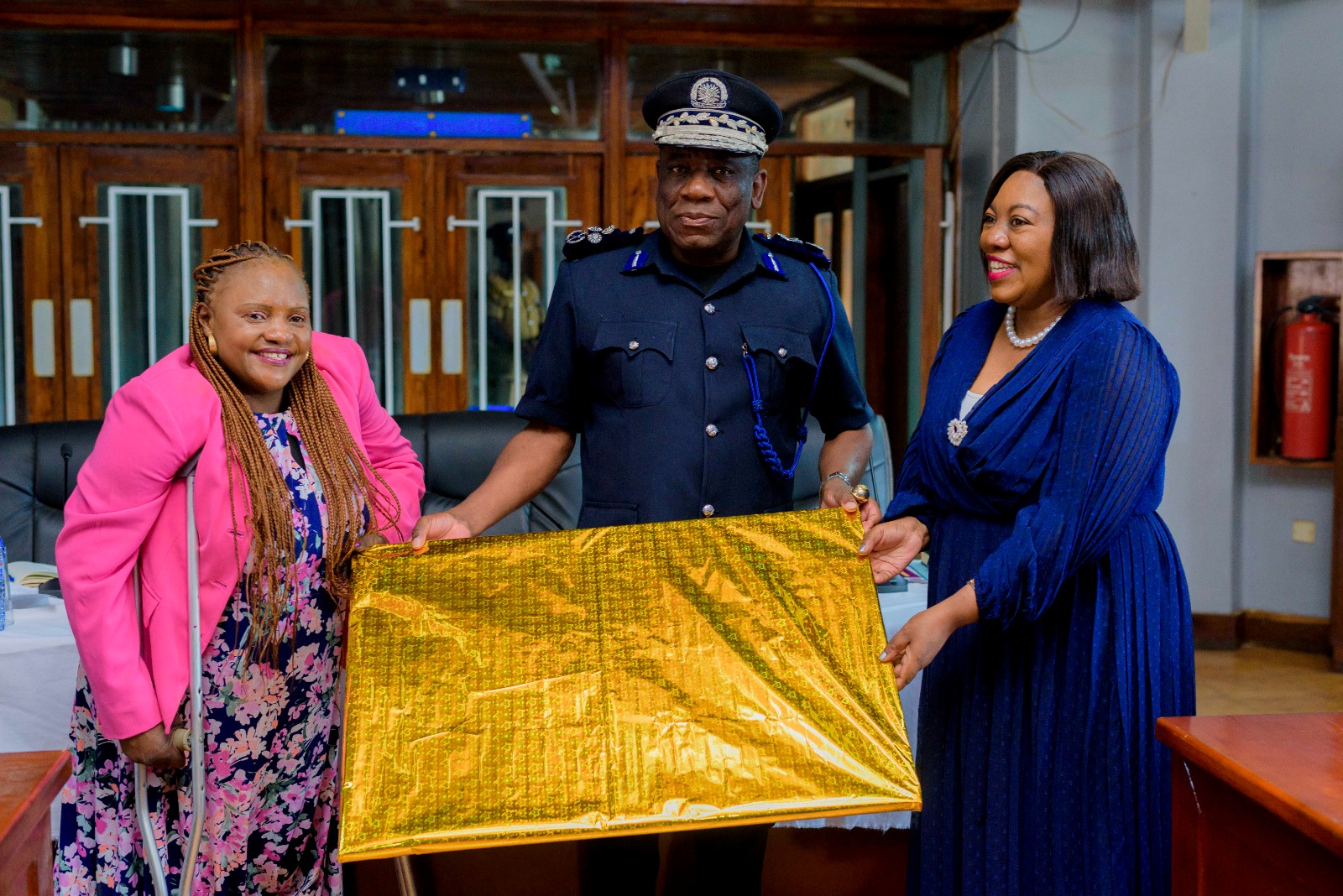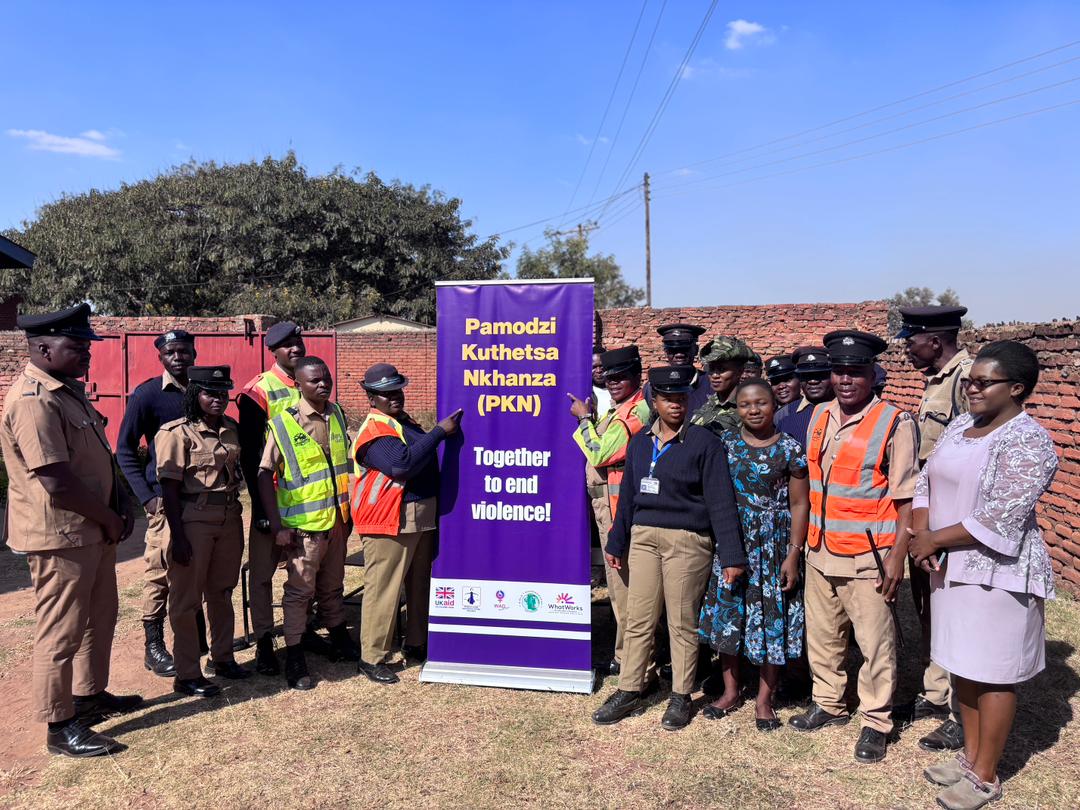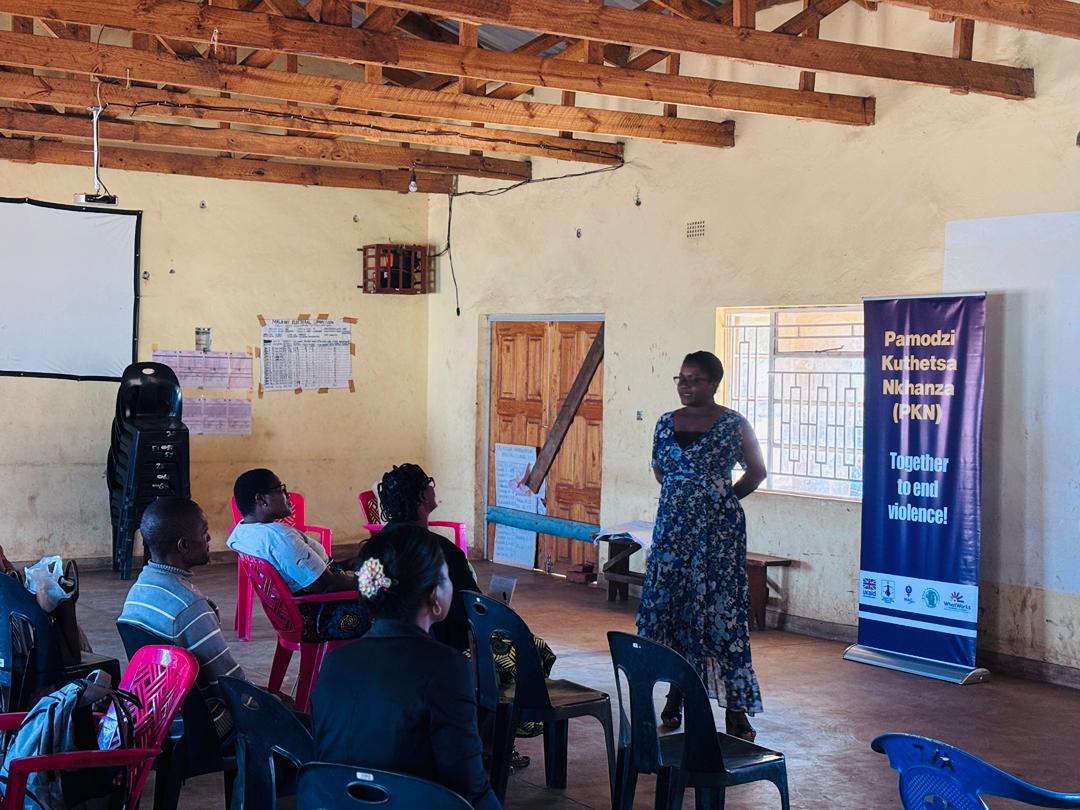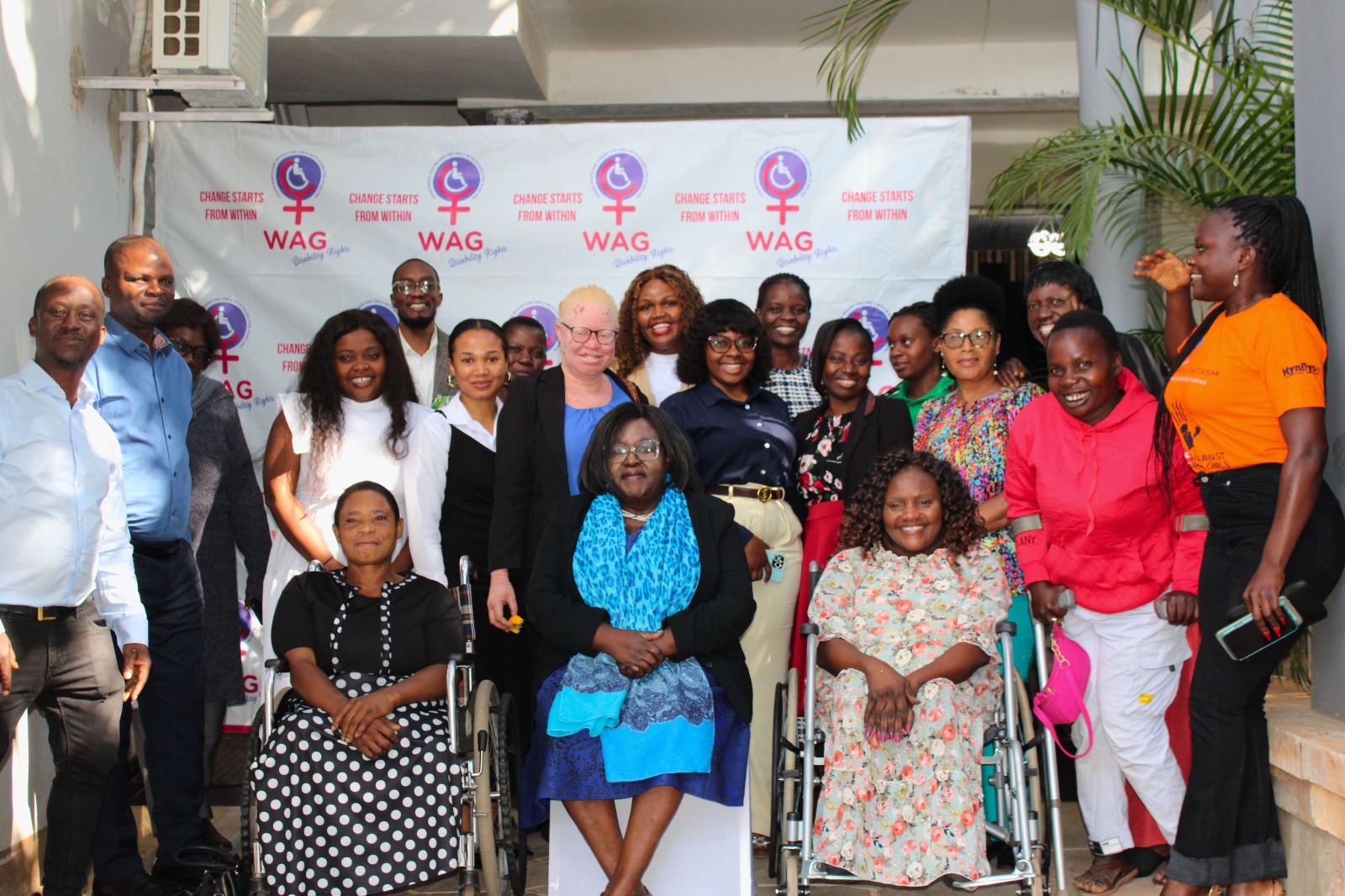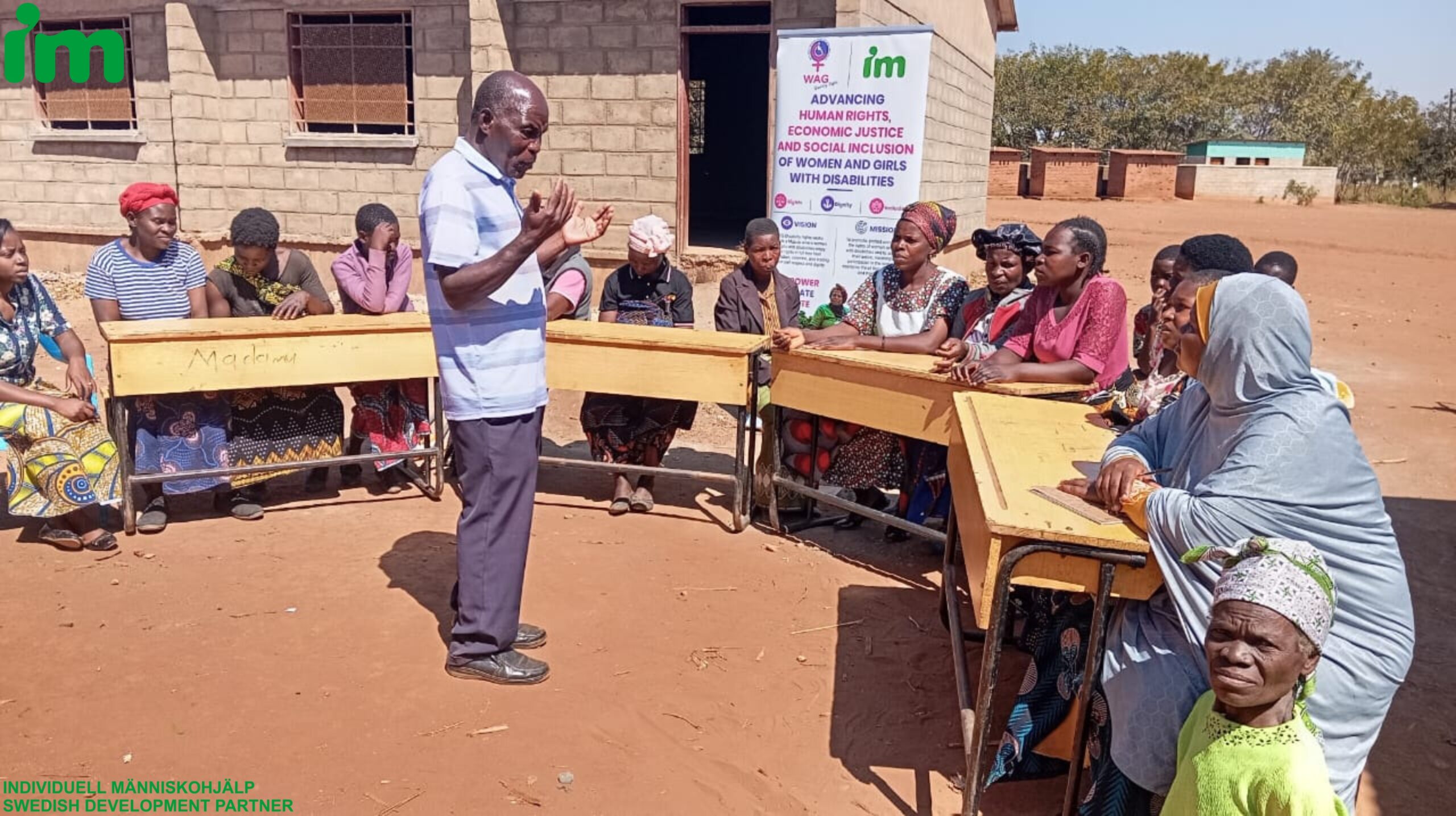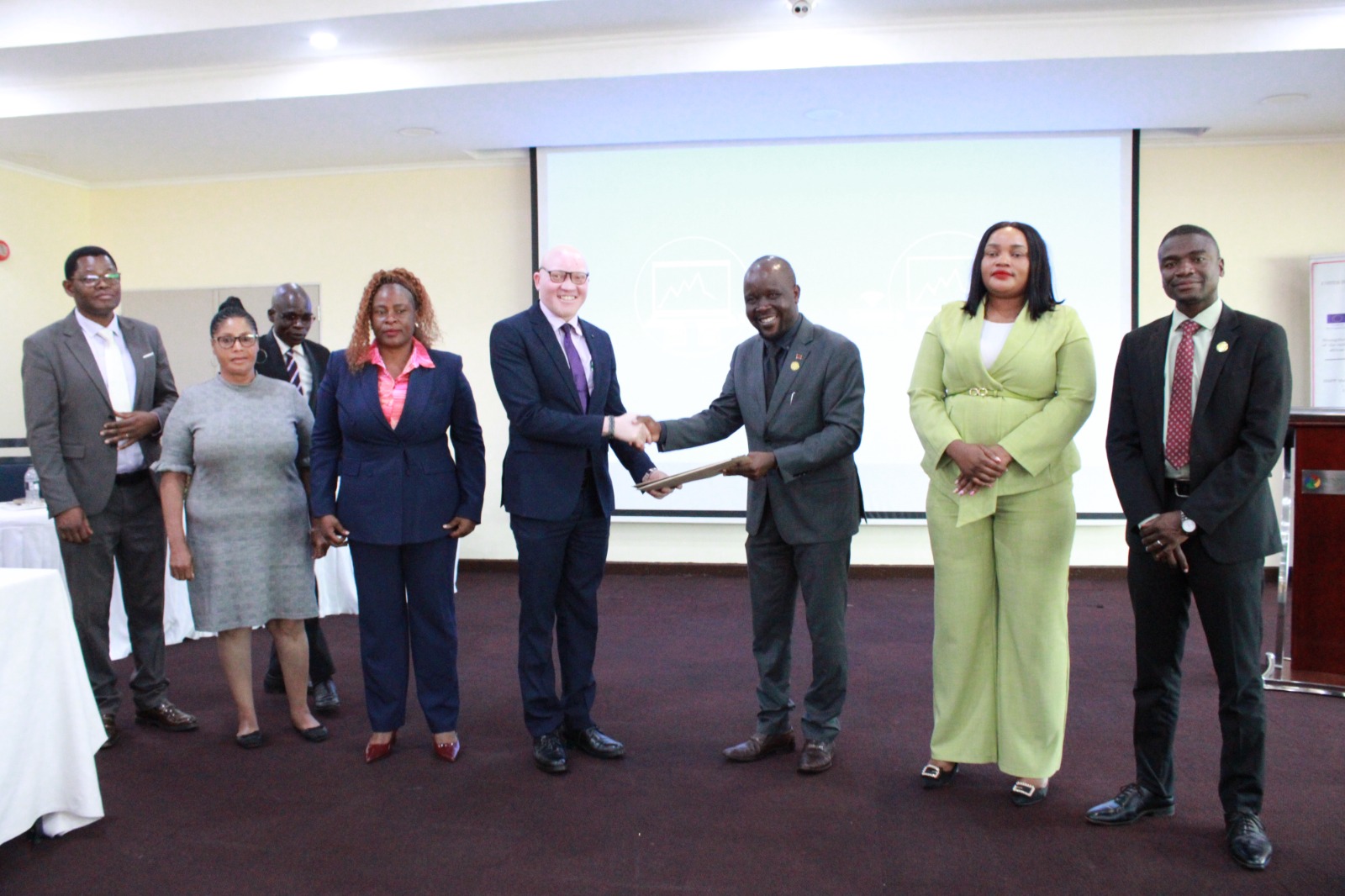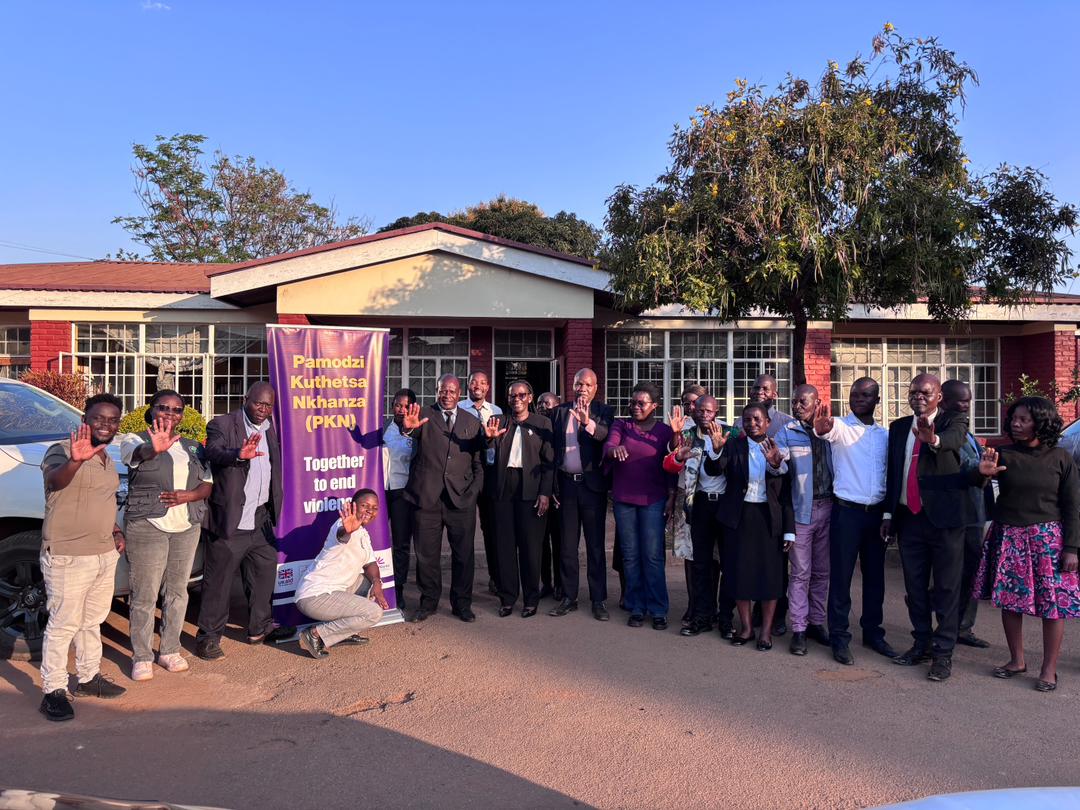
As the Gender Transformative curriculum approaches its final stage, we are pleased to highlight the successful training of judicial officers which took place from 22nd to 26th June 2026. This followed earlier capacity-strengthening sessions with Social Welfare service providers from 8th to 12th June and the Malawi Police Service from 15th to 19th June.
The Judiciary plays a critical role in ensuring access to justice for survivors of Violence Against Women and Girls (VAWG), particularly Intimate Partner Violence (IPV). Through this training, participants were engaged in critical reflection on the justice system’s role in protecting survivors, enforcing relevant laws, overall gaps in the judiciary in assisting survivors and promoting survivor-centred, trauma-informed and inclusive responses.
The training focused on strengthening the capacity of judicial officers to interpret, protect and enforce laws related to VAWG while also examining how personal values, attitudes and beliefs can influence access to justice for women and girls.
Key areas covered included:
• Types of Violence Against Women and Girls and related applicable laws
• Critical analysis and reflection on laws addressing VAWG
• Judicial values, attitudes and beliefs when interpreting, protecting and enforcing VAWG-related laws
• Components of access to justice
• Barriers to access to justice for women and girls
• Roles and responsibilities of key duty bearers within the judiciary
• Women as victims and offenders
• Pre-trial issues
• Sentencing
• Judicial remedies
• Survivor-centred response
• Trauma and Psychological First Aid
• Disability inclusion in VAWG and IPV response
• Barriers to help-seeking
• Identification of victims and survivors
• Self and collective care
• The National GBV Referral Pathways
• Safe and effective referrals
• Survivor-centred mediation
• Referral role plays
One key observation from the training was that transforming attitudes, beliefs and institutional practices is a gradual process. Participants initially expressed diverse and sometimes contrasting views which created space for meaningful debate, reflection and learning. Through guided discussions and practical exercises, participants were able to build a shared understanding of the importance of survivor safety, dignity, confidentiality, accountability and inclusive justice.
The discussions also reinforced the need for a justice system that is not only legally sound but also responsive to the lived realities of women and girls, including women and girls with disabilities, who often face additional barriers when seeking protection and justice.
As GTC Part B moves towards its final category of participants, traditional leaders, we remain encouraged by the commitment shown by different duty bearers throughout this process. Ending VAWG and IPV requires coordinated action across all systems, from the community level to formal justice structures.