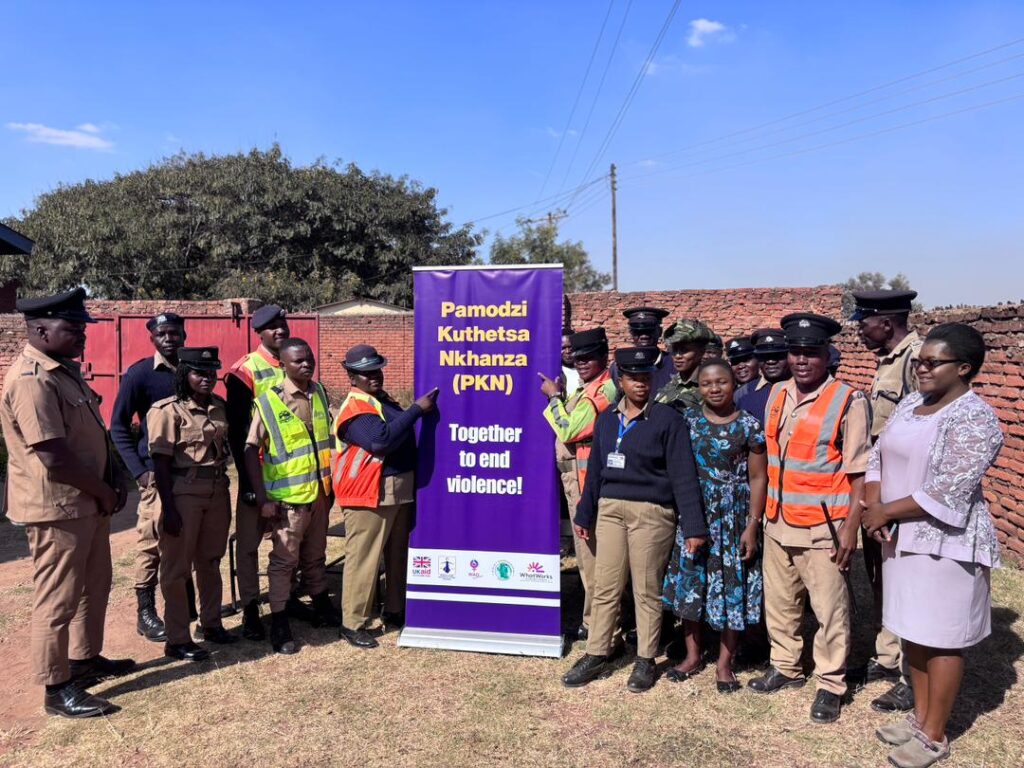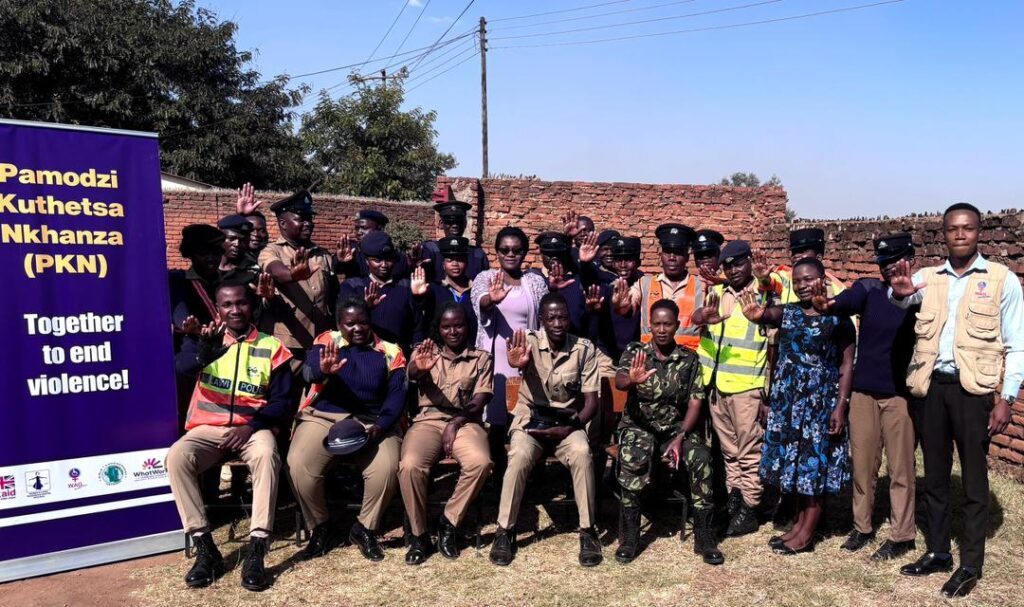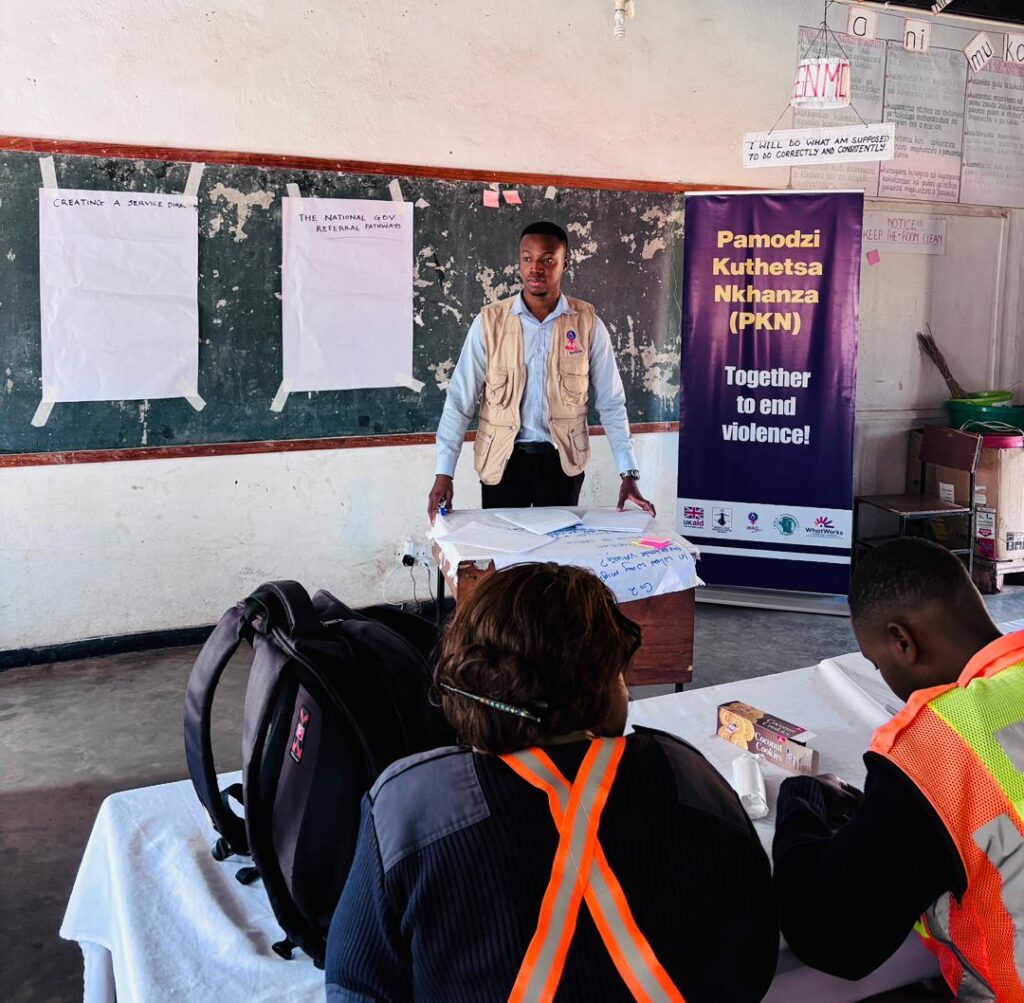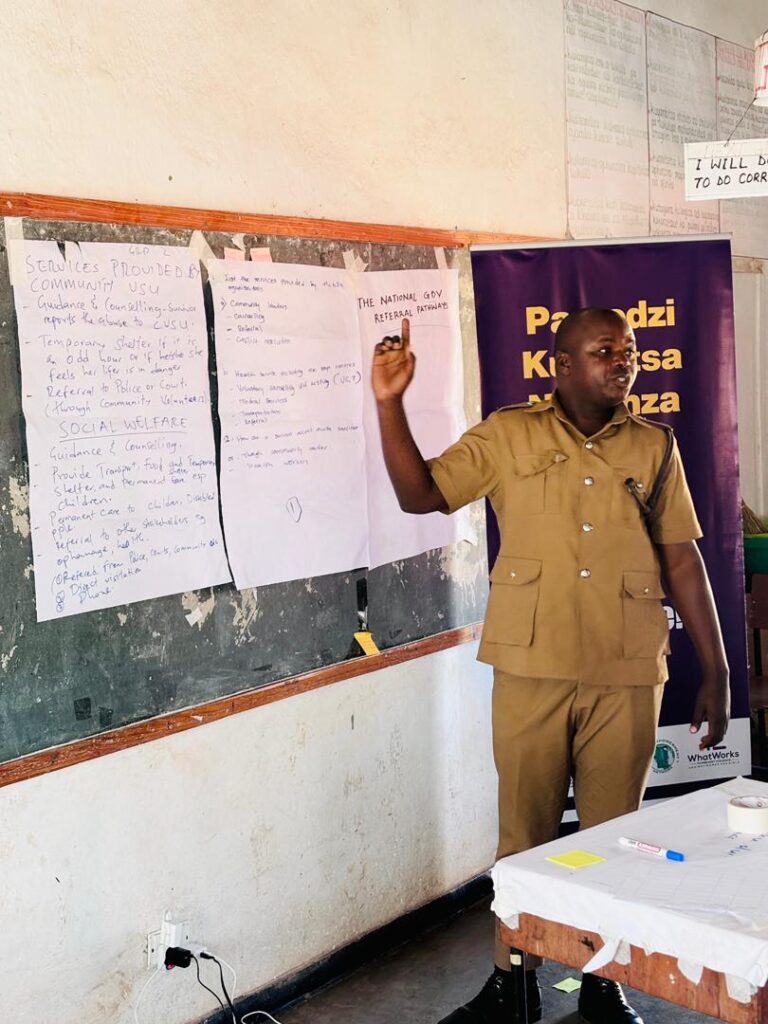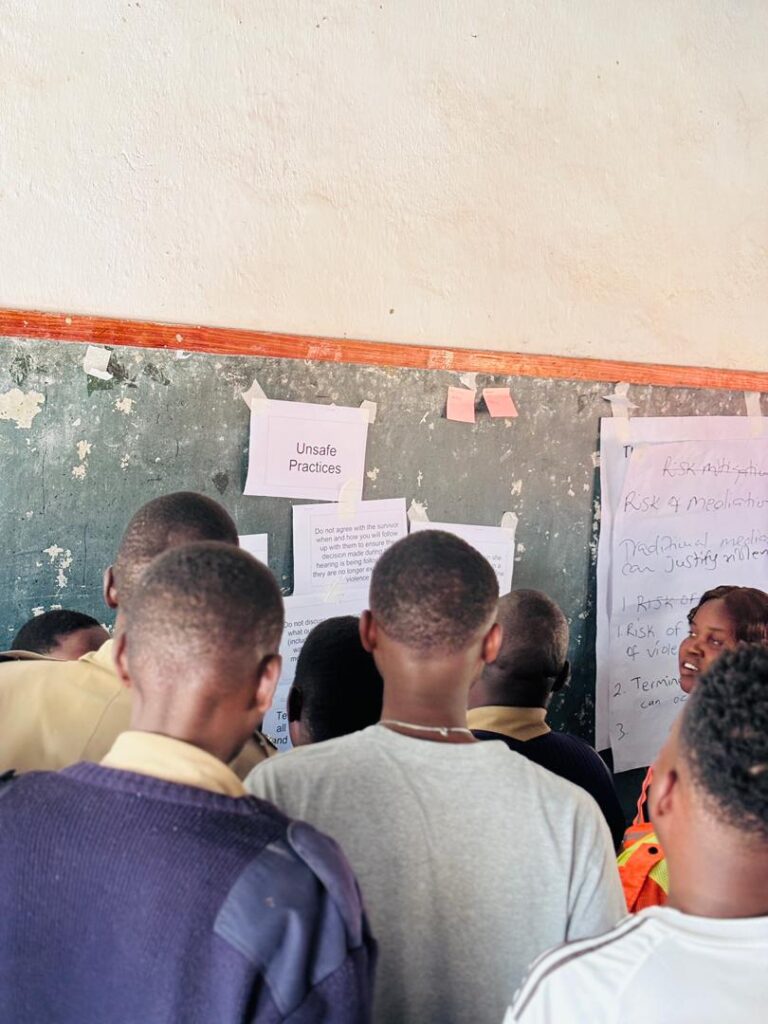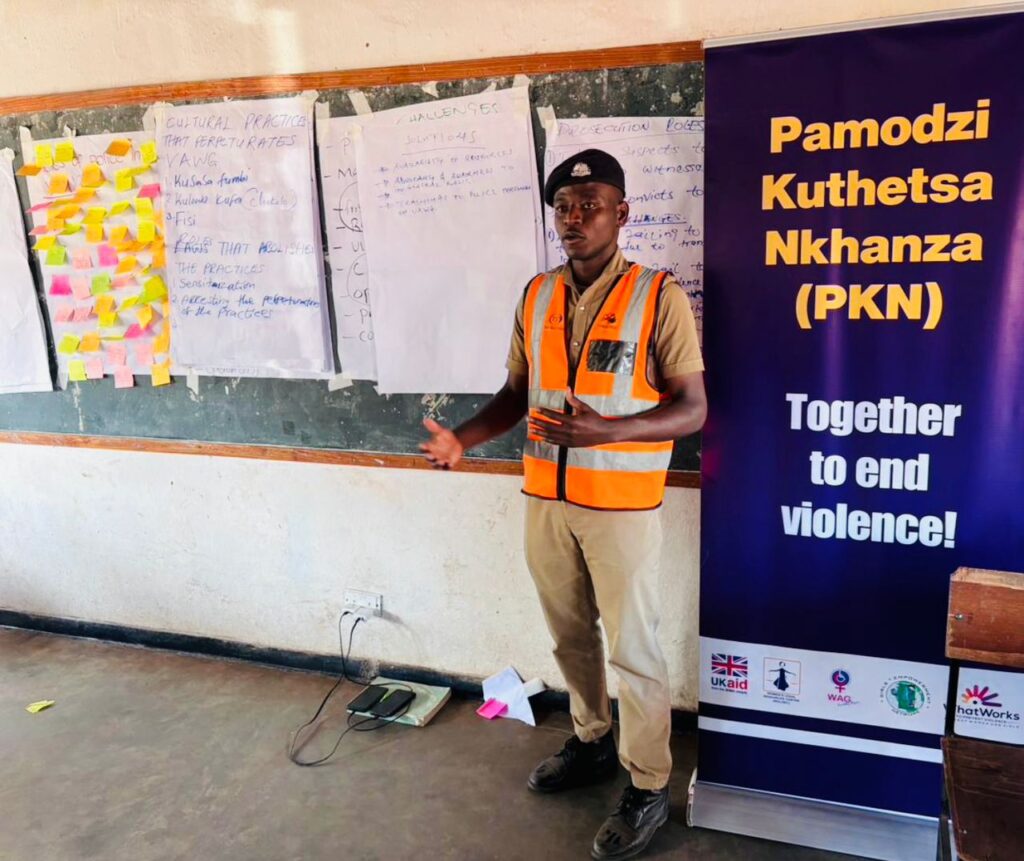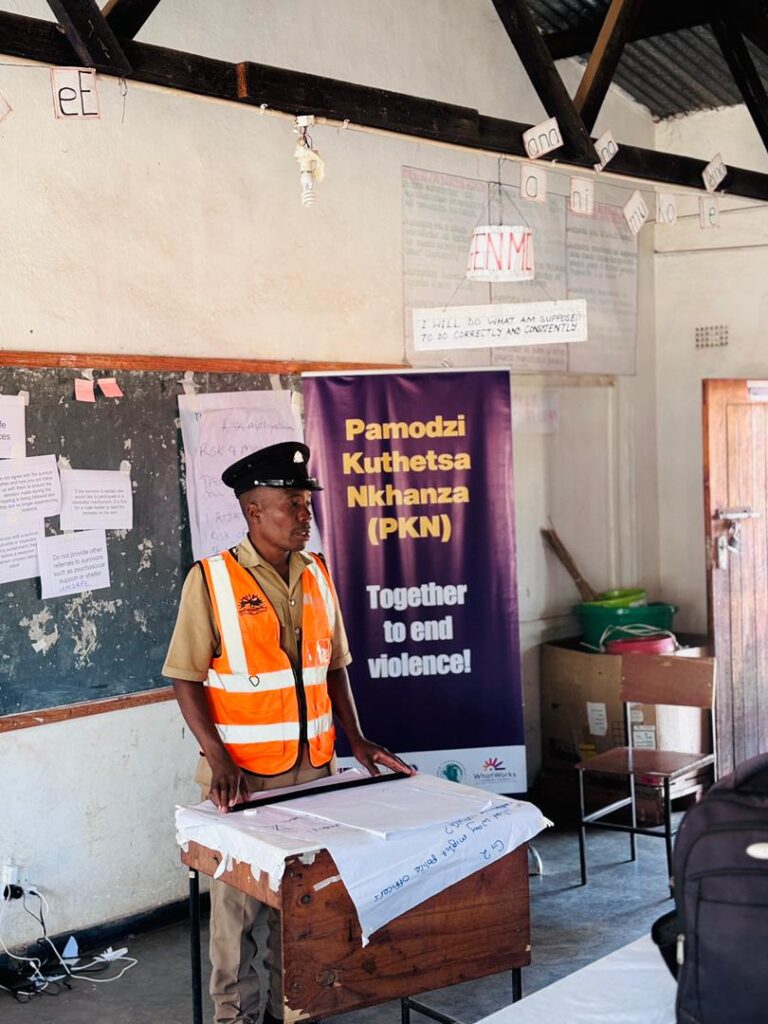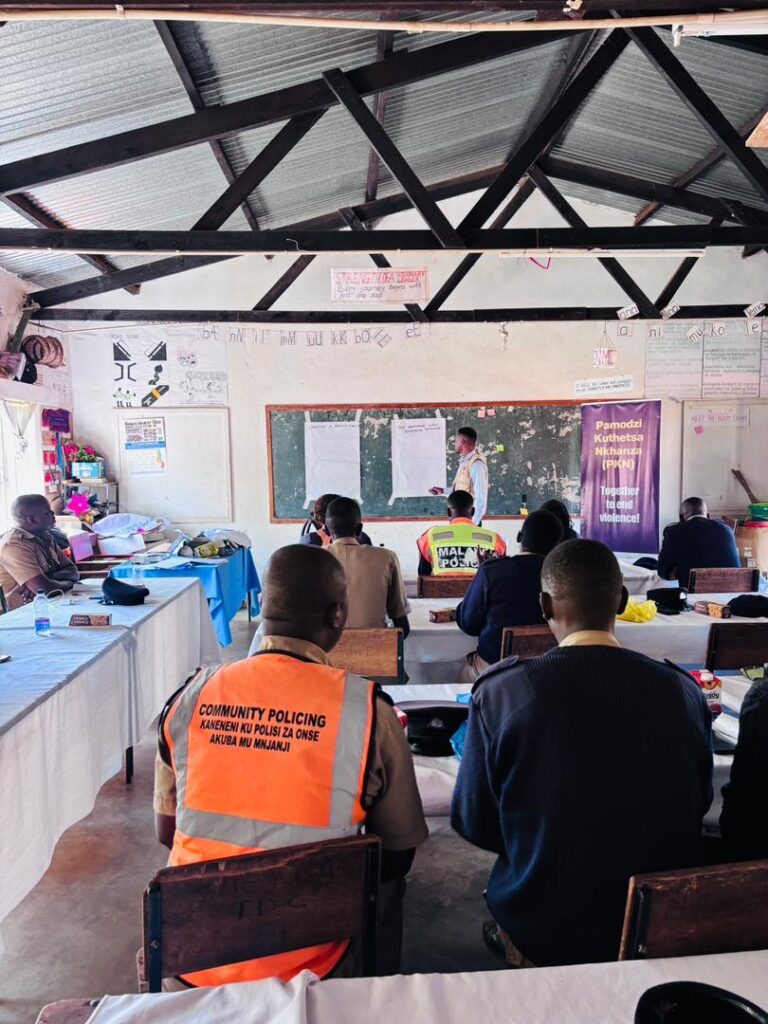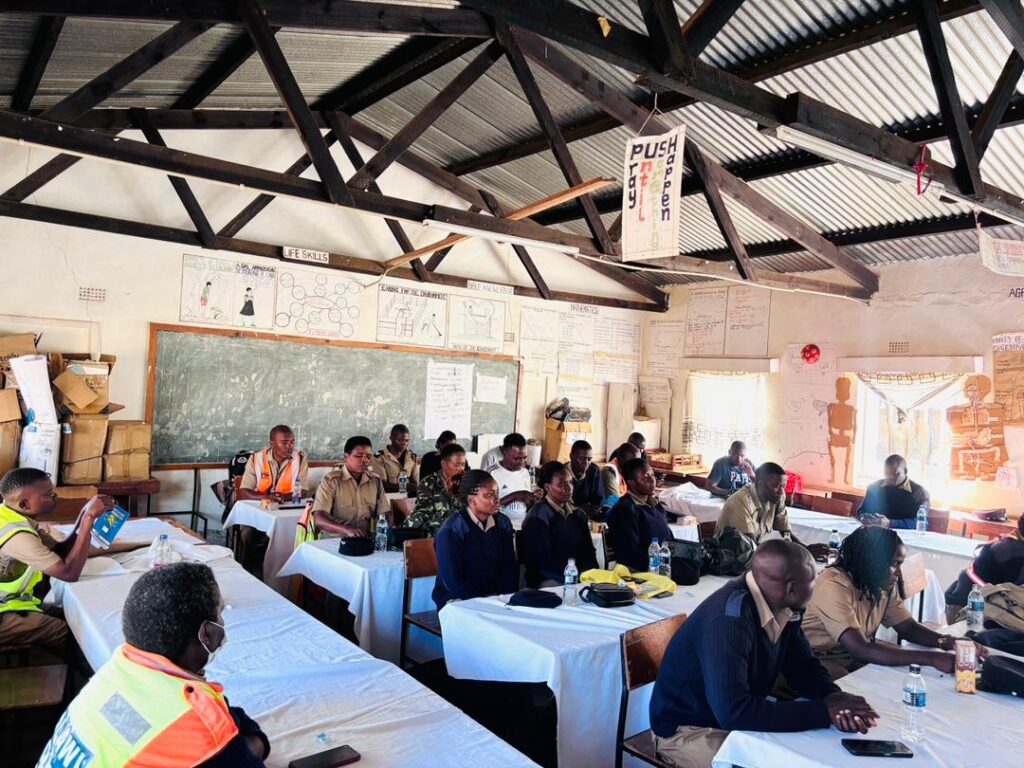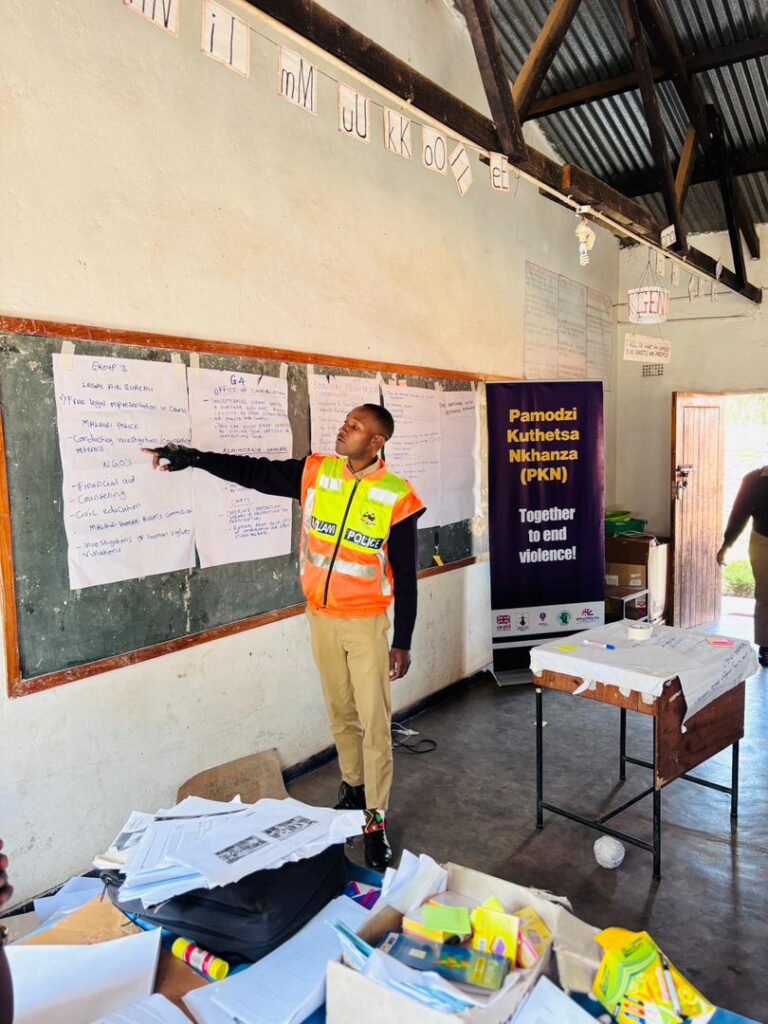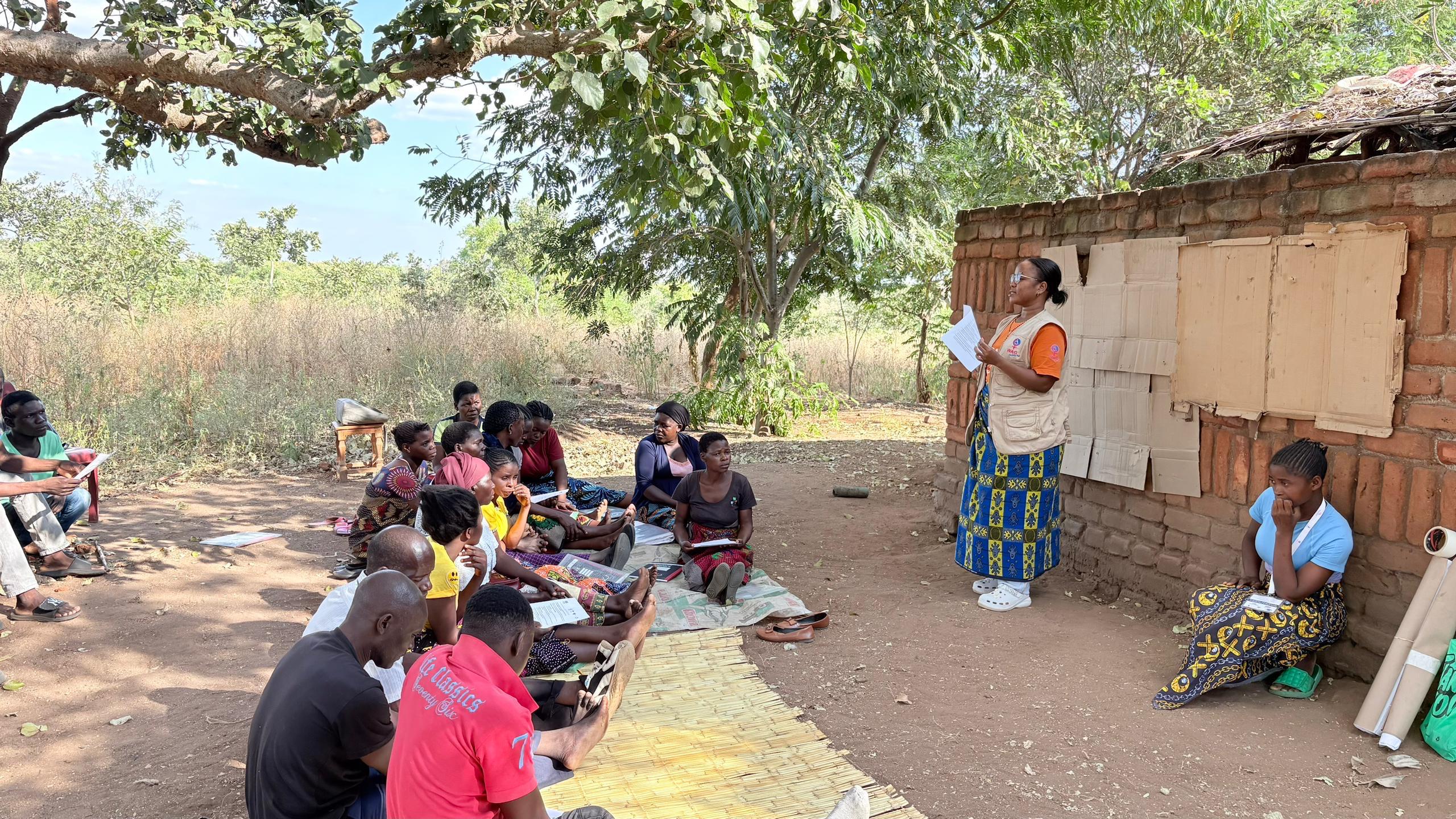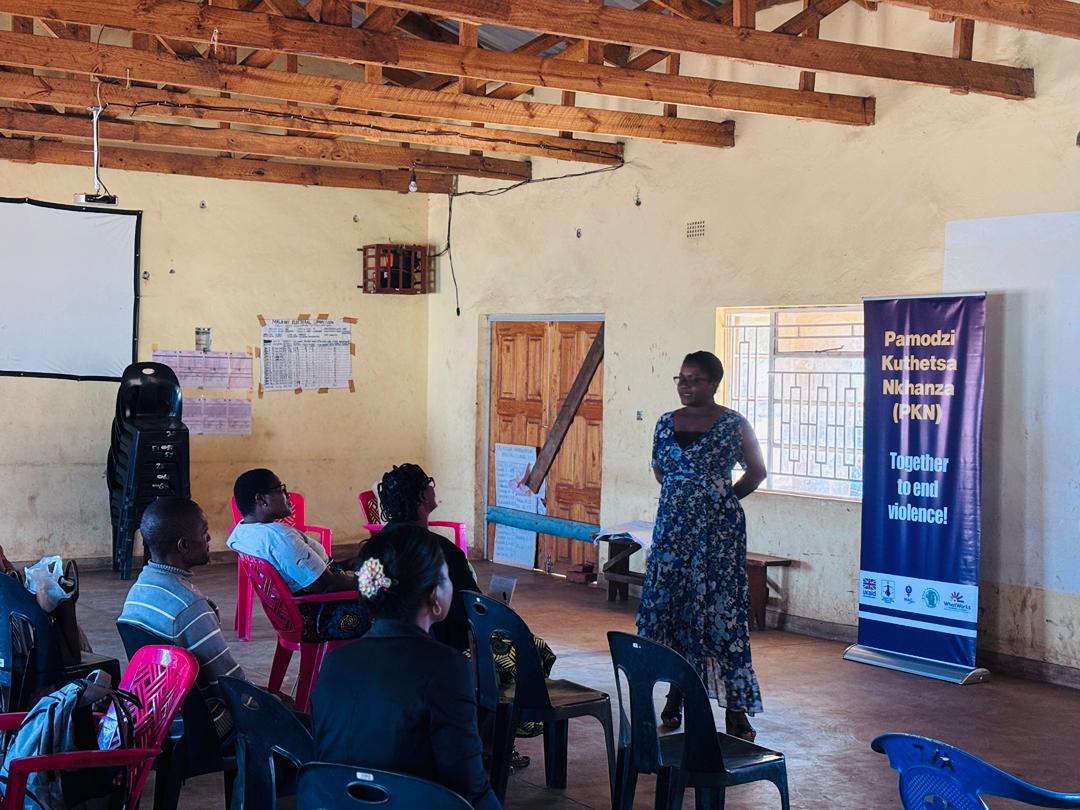
The Gender Transformative Curriculum (GTC) Part B continues across our targeted intervention areas in Lilongwe under the Pamodzi Kuthetsa Nkhanza Project, specifically in TA Kabudula, TA Kalolo, TA Chadza and TA Chimutu.
From 8th to 12th June, we successfully trained Social Welfare service providers.
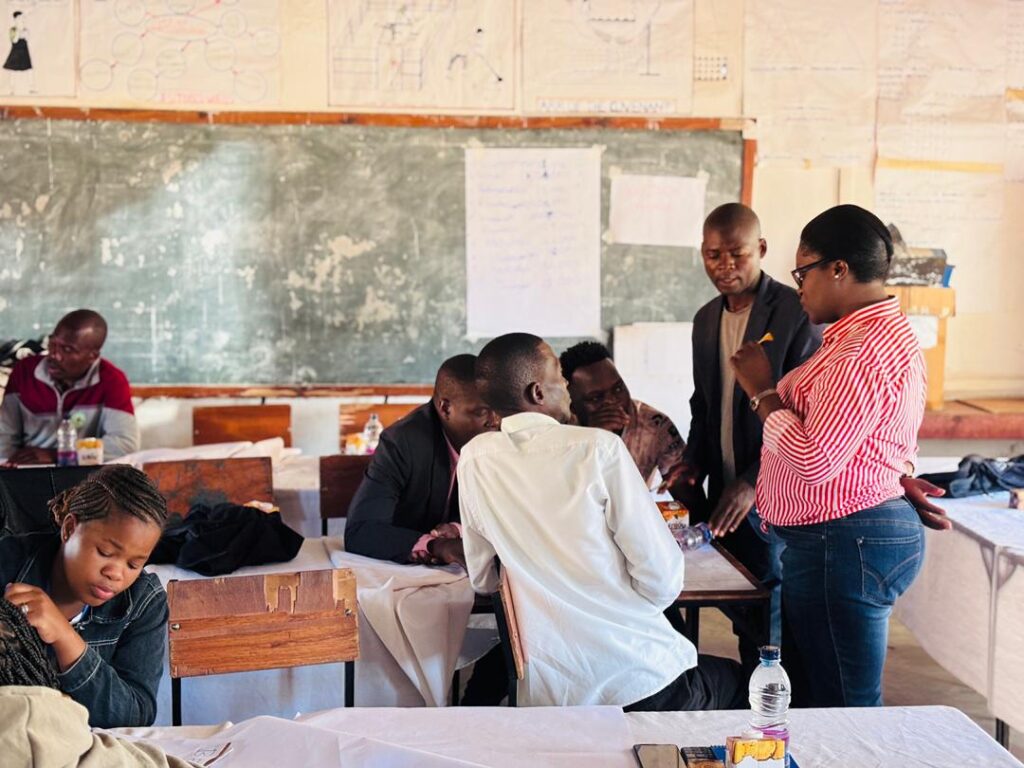
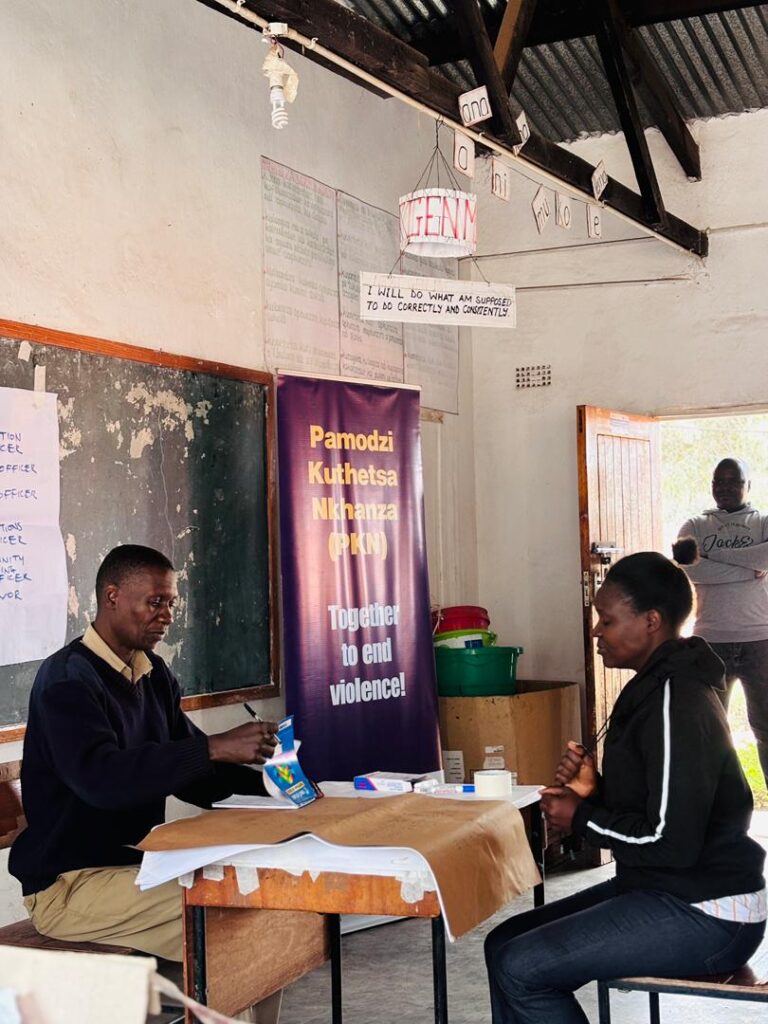
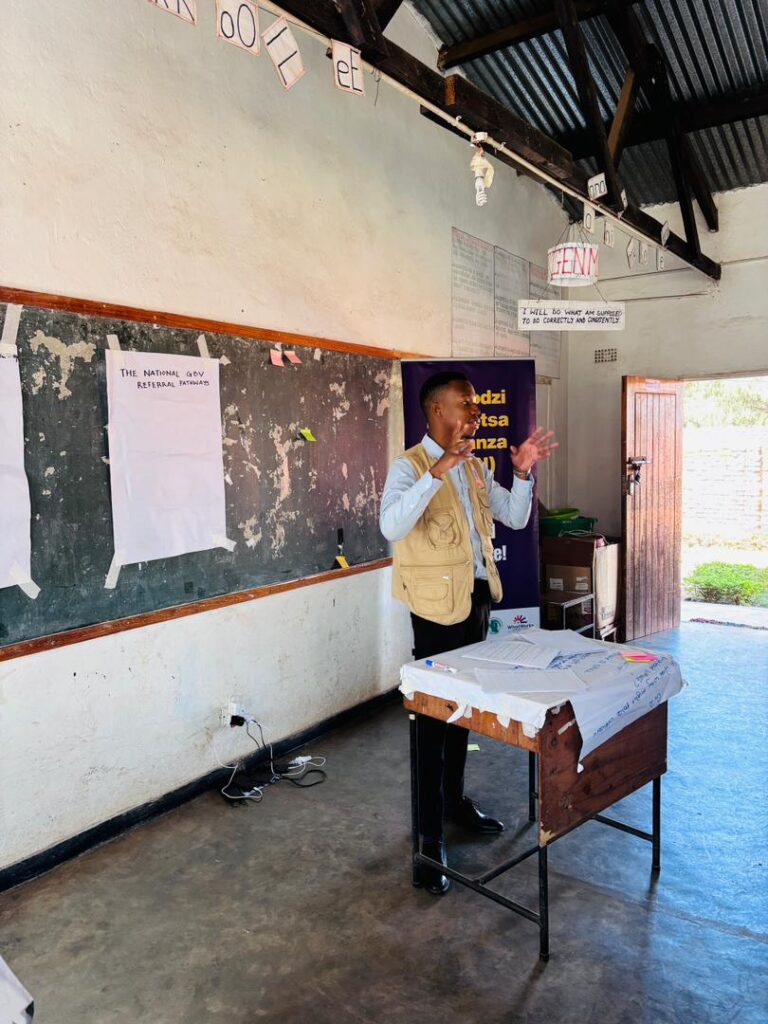
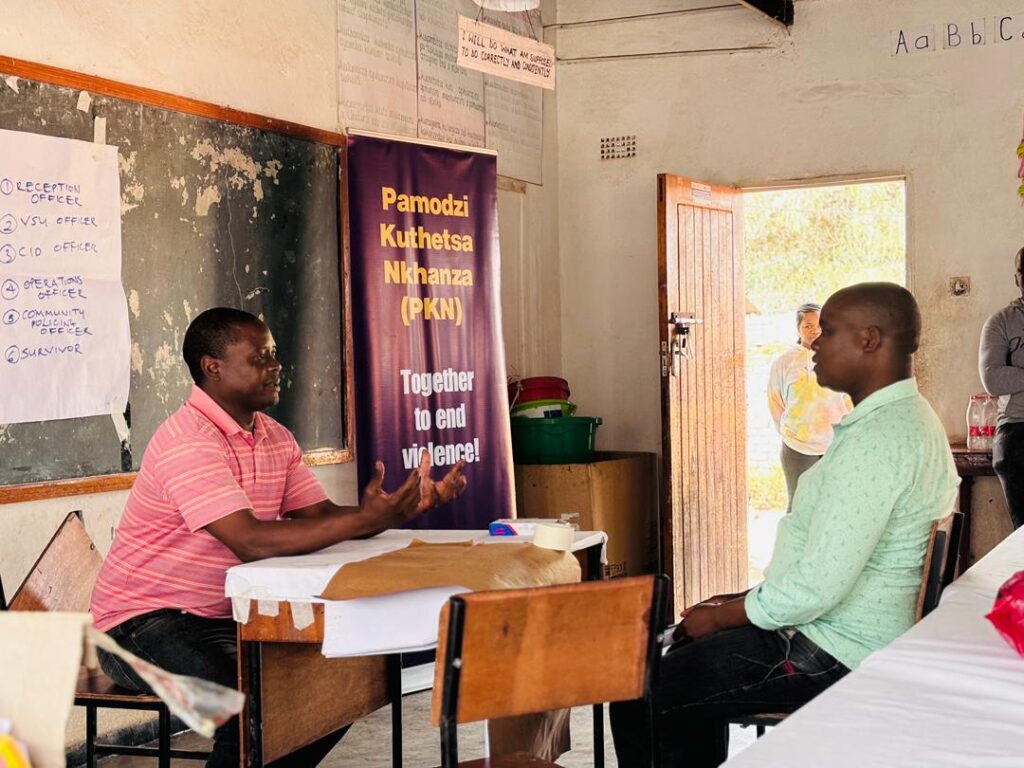
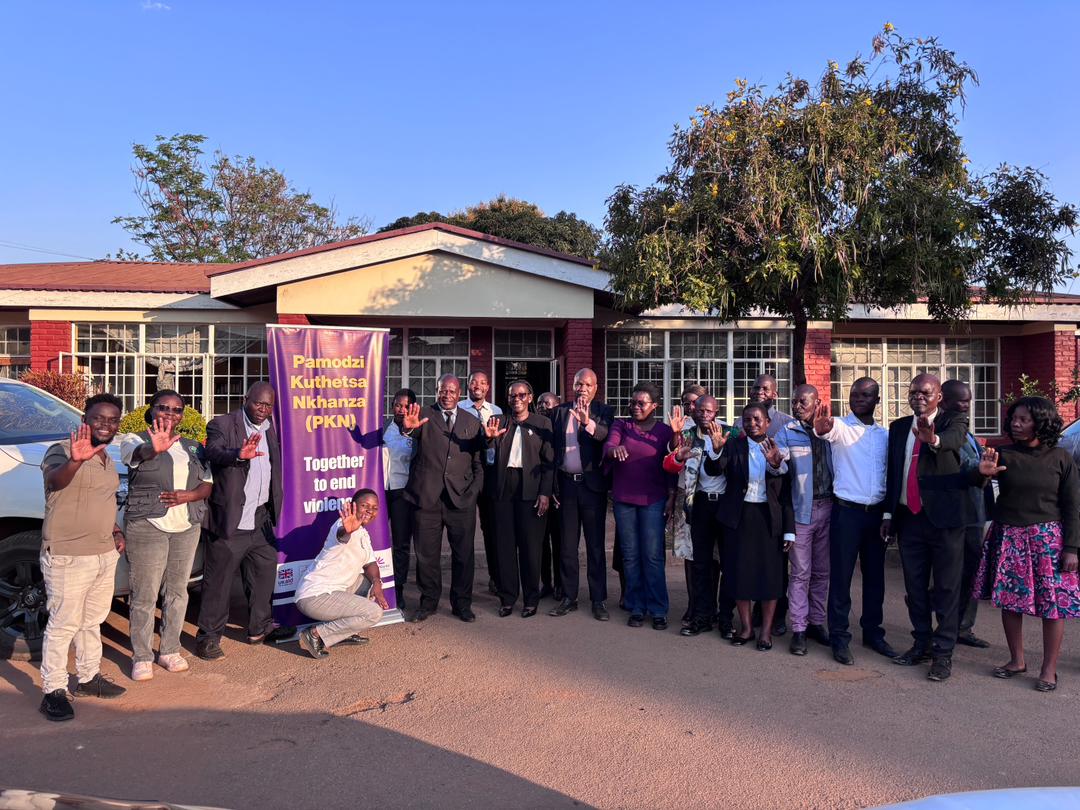
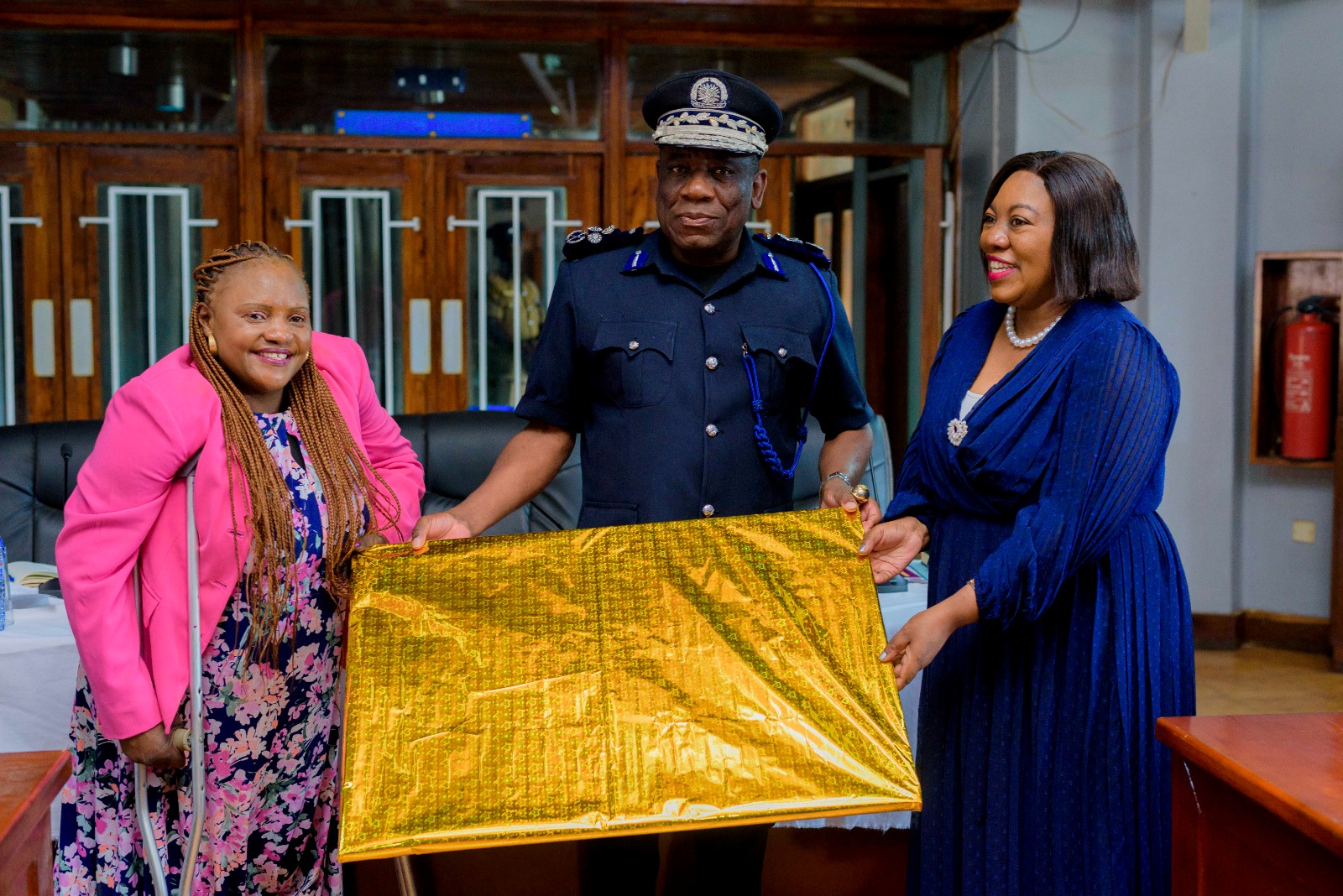
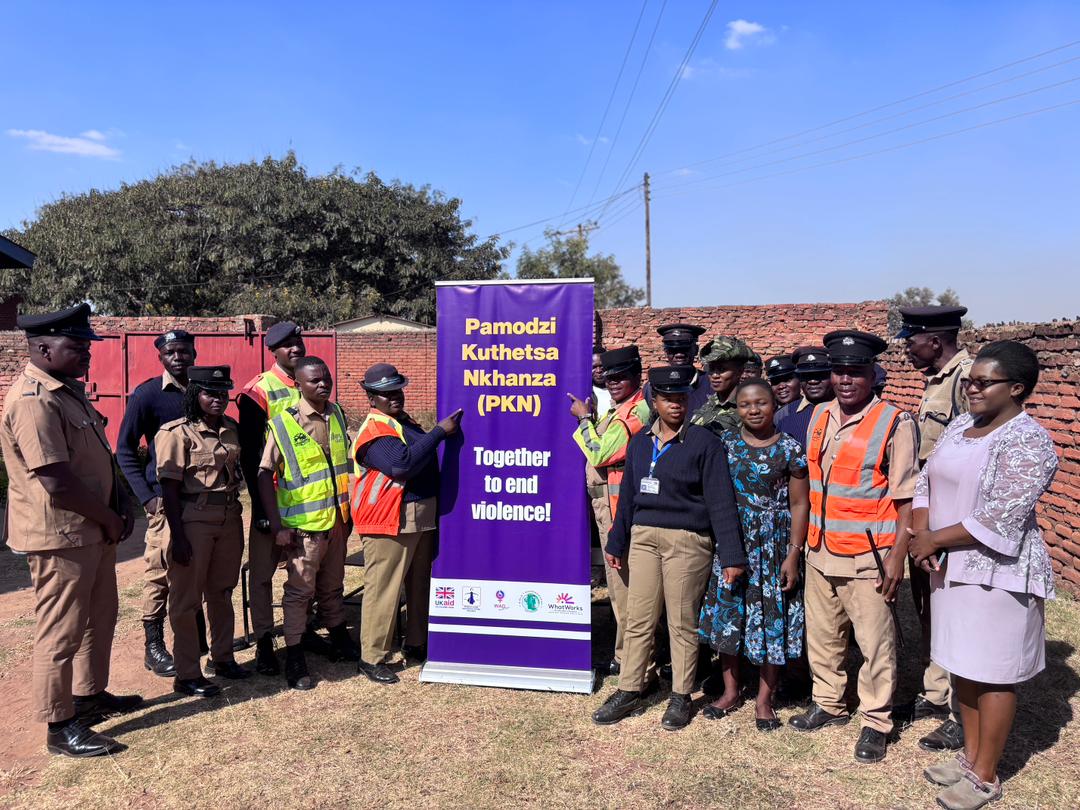
From 15th to 19th June, We conducted a training with the Malawi Police Service (MPS) as part of the ongoing process of strengthening service provider capacity and transforming negative attitudes and beliefs that may contribute to Violence Against Women and Girls (VAWG), particularly Intimate Partner Violence (IPV).
The training focused on enhancing the ability of the police to deliver safe, inclusive, survivor-centred, trauma-informed and coordinated VAWG response services.
Key areas covered included :
* Types of Violence Against Women and Girls
* The role of the police in addressing VAWG
* Limits of police powers when handling VAWG cases
* Laws applied in VAWG response
* Services provided by different police branches to survivors
* Harmful cultural practices that perpetuate VAWG and the laws that abolish them
* Stereotypes held by some police officers that may exacerbate VAWG, survivor-centred response
* Disability inclusion in IPV response
* Police mechanisms for mitigating VAWG matters
* Police officers as both potential perpetrators and victims of VAWG
* Psychological First Aid
* Barriers to help-seeking
* Identification of victims and survivors
* Trauma-informed interviewing
* The National GBV Referral Pathways
* Safe and effective referrals, survivor-centred mediation and practical referral role plays.
One key lesson emerging from the training is that the Malawi Police Service is eager to strengthen collaboration with women’s rights organisations in developing practical strategies to mitigate GBV cases. Participants also highlighted the urgent need for more safe houses and shelters for survivors, as the current shelter capacity remains inadequate.
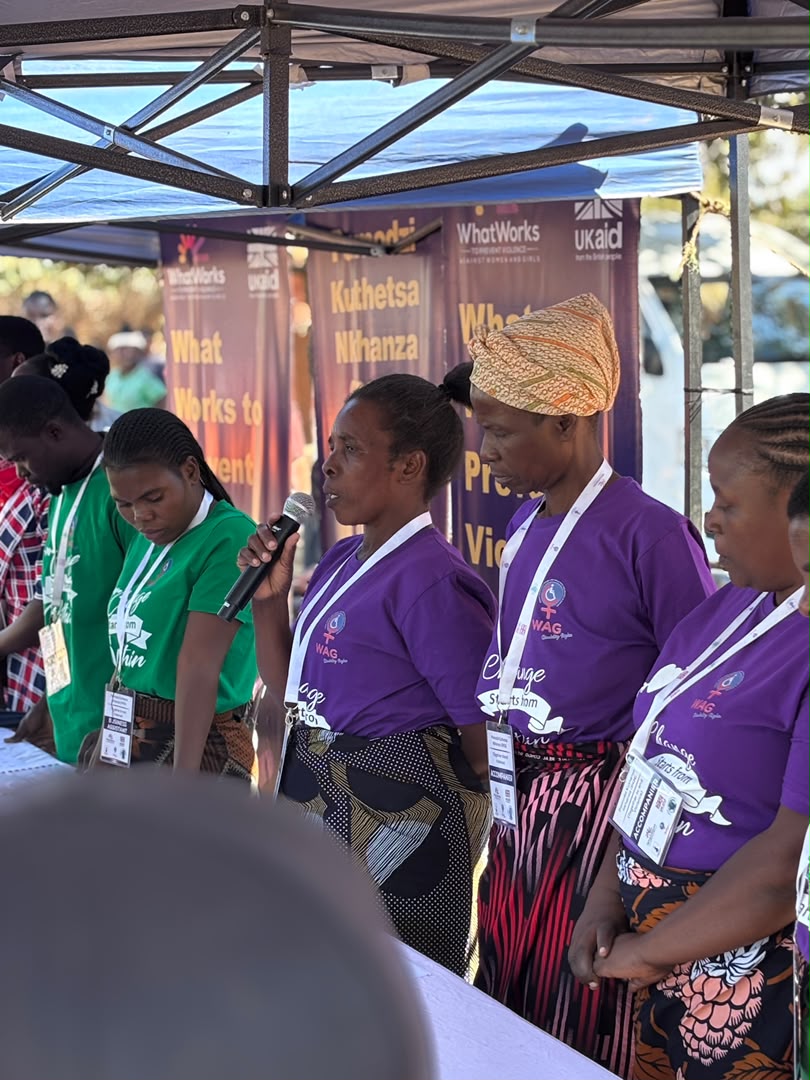
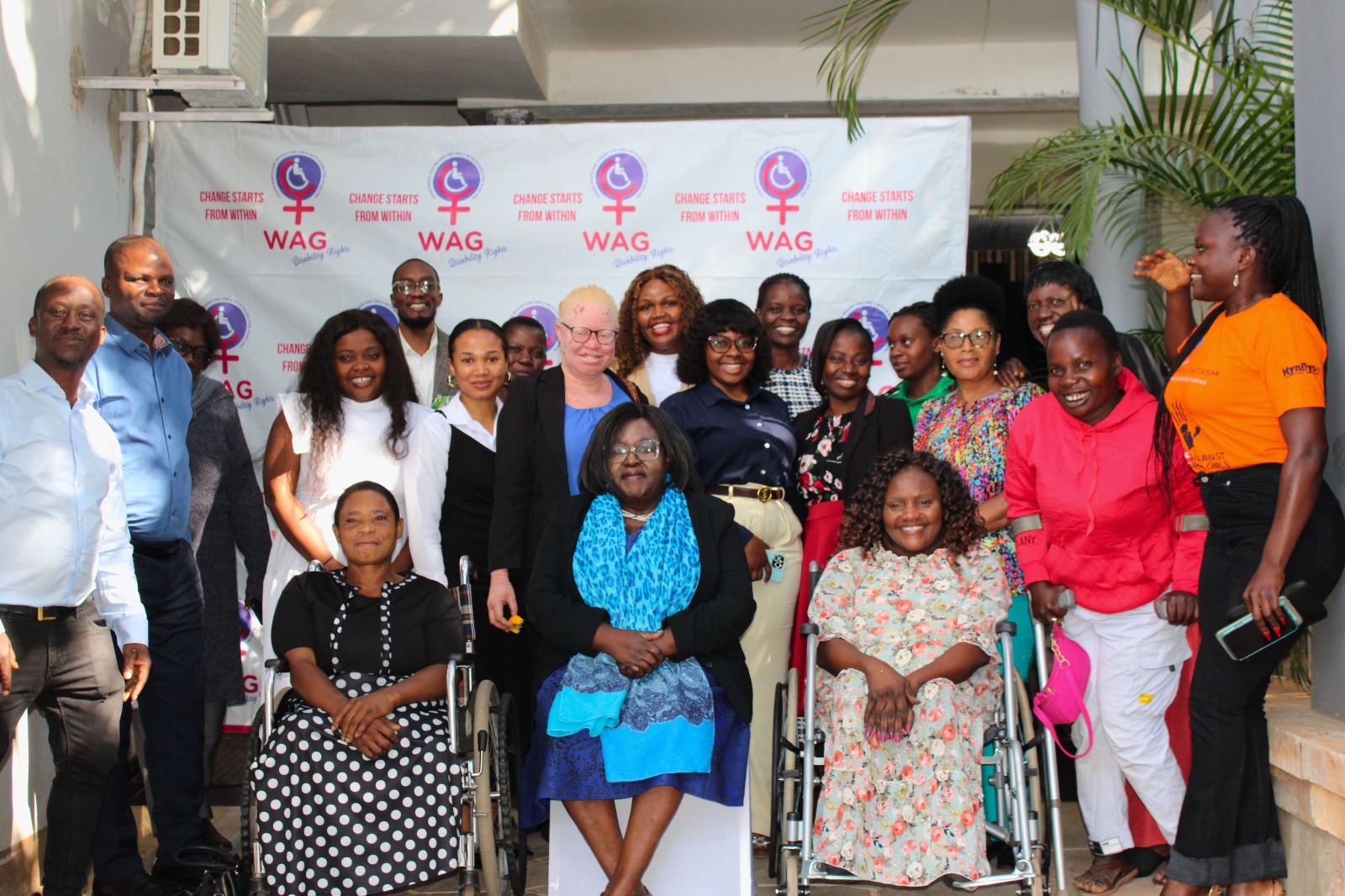
Through this work, the Pamodzi Kuthetsa Nkhanza (PKN) Project continues to promote coordinated, inclusive and survivor-centred systems that protect women and girls, including women and girls with disabilities from violence.